Berberine Benefits: What the Clinical Evidence Shows
Medically reviewed by Dr. Michael Teplitsky, MD Last reviewed 2026-10-14
Blood sugar, cholesterol and weight-loss findings, and where the trials fall short.
Berberine is a plant compound sold as a supplement that shows modest reductions in blood glucose, low-density lipoprotein (LDL) cholesterol, and triglycerides in clinical trials of adults with type 2 diabetes, but the underlying research quality is limited and evidence for weight loss is inconclusive. While berberine has recently been promoted on social media for weight loss, published research shows mixed results. The National Center for Complementary and Integrative Health (NCCIH) notes that berberine may have a modest effect on lowering blood glucose in people with type 2 diabetes and may reduce cholesterol levels. However, preliminary studies investigating weight loss remain limited, and there is not enough rigorous scientific evidence to determine whether berberine is effective for losing weight.
Berberine does not replace standard prescription medical therapies. Whether to take any dietary supplement, especially if you manage diabetes or take other medications, is a clinical decision that belongs with your healthcare provider.
Want a clinician to work up your metabolic numbers?
Opt Health runs fasting insulin, A1C, a full lipid panel and 50+ other markers, then builds a treatment plan — GLP-1s included where they're appropriate — with a physician who reviews the data with you directly.
See Opt Health's metabolic program →What the Evidence Shows
Clinical trials indicate that berberine may modestly reduce blood glucose, cholesterol levels, and triglycerides in adults diagnosed with type 2 diabetes. According to the National Center for Complementary and Integrative Health (NCCIH), berberine may have a modest effect on lowering blood glucose in people with type 2 diabetes, may reduce cholesterol levels, and may offer additional beneficial effects on high blood pressure when used alongside the medication amlodipine.
A 2024 systematic review and meta-analysis published in Frontiers in Pharmacology evaluated 50 randomized controlled trials comprising 4,150 participants with type 2 diabetes. When researchers examined trials testing berberine alone against conventional treatment or placebo, they documented several measurable changes:
- Fasting plasma glucose decreased by 0.59 mmol/L (95% confidence interval [CI] -1.18 to -0.01, p = 0.048, which the study authors note sits right at the significance threshold and must be read with caution).
- Fasting plasma glucose decreased by 0.90 mmol/L when evaluated specifically against placebo alone.
- Low-density lipoprotein (LDL) cholesterol decreased by 0.30 mmol/L (95% CI -0.52 to -0.08).
- Triglycerides decreased by 0.35 mmol/L (95% CI -0.58 to -0.13).
- Glycated hemoglobin (HbA1c) dropped by 0.24 percentage points (95% CI -0.60 to 0.11), an outcome that was not statistically significant across the pooled trials.
- Glycated hemoglobin (HbA1c) dropped by 0.68 percentage points (95% CI -1.08 to -0.28) when tested specifically against placebo alone.
The same systematic review examined trials where participants added berberine to their conventional medical treatments compared to conventional therapy alone:
- Fasting plasma glucose decreased by 0.99 mmol/L when berberine was added to standard care.
- Glycated hemoglobin (HbA1c) decreased by 0.69 percentage points with combination therapy.
- Low-density lipoprotein (LDL) cholesterol decreased by 0.90 mmol/L in the combination group.
- Triglycerides decreased by 0.50 mmol/L when combined with conventional treatment.
Berberine and Weight Loss
Scientific evidence examining berberine for weight loss remains preliminary, inconsistent, and insufficient to determine clinical effectiveness. The NCCIH report on berberine and weight loss notes that while some preliminary studies suggest berberine may play a role in losing weight, few clinical trials exist, and there is not enough rigorous scientific evidence to establish whether it works.
A 2022 research review cited by the NCCIH examined 18 studies on body weight and 23 studies measuring body mass index (BMI). The review identified statistically significant decreases in both body weight and BMI among participants taking berberine. These weight-related effects appeared mainly at doses exceeding 1 gram per day taken over durations longer than 8 weeks.
Despite these findings, the NCCIH states that the overall evidence remains inconclusive. Many of the included studies carried a high risk of bias, and individual trial results were inconsistent. Most participants in these trials had existing health conditions such as diabetes or fatty liver disease. most studies were conducted in Asian countries, with very few conducted in North America. The NCCIH emphasizes that additional high-quality research is needed before weight-loss effects can be confirmed.
Why the Evidence Is Weaker Than It Looks
Methodological limitations, potential publication bias, and narrow study demographics mean published trial numbers require cautious evaluation. In the 2024 Frontiers in Pharmacology meta-analysis, the researchers pointed out several structural issues across the clinical trial literature.
Study quality was a primary concern throughout the analyzed trials. Out of the 50 randomized controlled trials included in the review, 31 trials were rated as low quality. 44 trials featured unclear descriptions of their blinding procedures.
Statistical evaluation also showed evidence of publication bias. The authors conducted Egger's test, which pointed to possible publication bias for HbA1c, total cholesterol, and triglycerides. The data came predominantly from Asian populations, and statistical heterogeneity across the studies was substantial. body weight and BMI were not evaluated as clinical outcomes in this 50-trial review. The authors concluded that additional high-quality, direct head-to-head clinical trials are necessary.
What Berberine Is
Berberine is a naturally occurring chemical substance found in several botanical species. Plants containing berberine include goldenseal, barberry, Oregon grape, and other botanical sources.
Botanicals containing berberine have a long history of use in Ayurvedic medicine and traditional Chinese medicine. Historically, these preparations were used to treat infections, skin diseases, and digestive disorders.
Today, berberine is frequently sold as an supplement. It is promoted as a remedy for diabetes, high cholesterol, high blood pressure, and canker sores. More recently, berberine has been promoted on social media for weight loss.
Safety in Brief
Berberine taken orally is generally well tolerated, but it presents documented gastrointestinal side effects and important safety exclusions. In the 2024 Frontiers in Pharmacology review, sixteen studies tracked adverse events. None of the included trials reported serious adverse events, and researchers noted that recorded reactions consisted of mild effects such as gastrointestinal discomfort.
The NCCIH reports that while oral berberine is well tolerated, it is not without risks. Gastrointestinal symptoms represent the most common side effects. The NCCIH notes that berberine is likely unsafe for infants and may be unsafe during pregnancy or breastfeeding. For more on safety, see our detailed berberine side effects guide.
What to Do With This Information
Supplement decisions require direct clinical consultation with a licensed medical professional. Whether to take berberine, particularly if you have diagnosed type 2 diabetes or take prescription medications, is a clinical decision for your doctor.
Berberine is not a replacement for prescribed medical treatment.
What Makes a Good Berberine Supplement
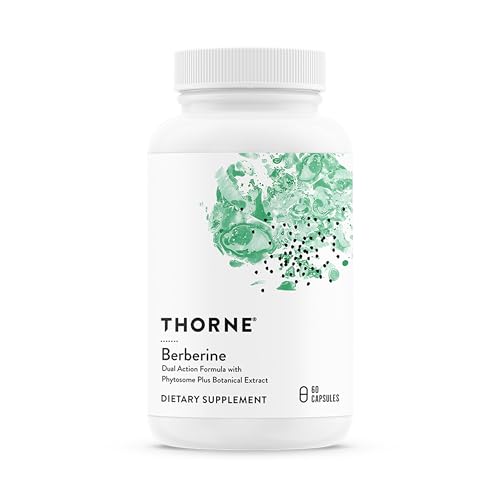
Berberine is studied for blood-sugar and lipid support, usually at 500 mg two to three times a day with meals (it clears quickly, so doses are split). It can interact with medications — especially diabetes drugs — so clear it with your doctor first. Look for standardized berberine HCl, third-party tested; dihydroberberine is a newer, better-absorbed form.

Frequently Asked Questions
Does berberine work?
Clinical trials show that berberine may modestly reduce fasting blood glucose, LDL cholesterol, and triglycerides in adults with type 2 diabetes. However, many trials were rated low quality, and evidence for weight loss is inconclusive. A 2024 meta-analysis showed that berberine alone reduced fasting glucose by 0.59 mmol/L and LDL cholesterol by 0.30 mmol/L, but 31 of the 50 trials analyzed were rated as low quality.
Does berberine help with weight loss?
Scientific evidence regarding berberine for weight loss remains preliminary and inconclusive. A 2022 review of 18 weight studies and 23 BMI studies observed weight reductions primarily at doses above 1 gram per day taken for more than 8 weeks. However, the National Center for Complementary and Integrative Health points out that these studies had a high risk of bias, inconsistent results, and were conducted primarily in Asian participants with conditions such as diabetes or fatty liver disease.
Does berberine lower cholesterol?
Research indicates that berberine may reduce cholesterol levels in people with type 2 diabetes. In a 2024 meta-analysis of 50 randomized trials, berberine alone lowered low-density lipoprotein (LDL) cholesterol by 0.30 mmol/L and triglycerides by 0.35 mmol/L. When added to conventional treatment, berberine lowered LDL cholesterol by 0.90 mmol/L and triglycerides by 0.50 mmol/L, though researchers noted possible publication bias for total cholesterol and triglycerides.
Is berberine safe?
Berberine taken orally is generally well tolerated, with mild gastrointestinal discomfort being the most common adverse effect reported in trials. However, the National Center for Complementary and Integrative Health states that berberine is not without risks, is likely unsafe for infants, and may be unsafe during pregnancy or breastfeeding. Anyone taking medications should consult a clinician before use.
Why don't doctors recommend berberine?
Published clinical trials feature significant methodological limitations, including 31 of 50 trials rated low quality, 44 with unclear blinding descriptions, and possible publication bias. data came predominantly from Asian populations with conditions such as diabetes, and evidence regarding weight loss remains inconclusive. Whether to take any supplement, especially with diabetes or other medicines, is a decision for the reader's clinician.
Related Comparisons and Analyses
Topic updates
Get the weekly metabolic health roundup
Insulin resistance, blood sugar, visceral fat, GLP-1 plateaus, metabolic syndrome, and weight-loss physiology.
Want your metabolic health handled by a physician who works from your labs? See how Opt Health does it →
Check Where You Stand
Take our free health assessment to understand your metabolic, hormonal, and recovery risk factors — and get personalized recommendations.
Take the Free Assessment →Free · Takes 5 minutes · Instant results
Affiliate disclosure: The Metabolic Journal is reader-supported. Some links above are affiliate or referral links and we may earn a commission at no extra cost to you. As an Amazon Associate we earn from qualifying purchases. Products are chosen on the merits; commissions never influence what we recommend. This is general information, not medical advice — talk to your clinician before acting.