Berberine Side Effects and Clinical Safety Findings
Medically reviewed by Dr. Michael Teplitsky, MD Last reviewed 2026-10-14
What clinical trials and government health agencies report regarding digestive risks and drug interactions
Most reported berberine side effects involve digestive symptoms such as abdominal pain, diarrhea, constipation, and nausea. Berberine is likely unsafe for infants and may be unsafe during pregnancy or breastfeeding due to the risk of bilirubin buildup and brain damage. The botanical also interacts with cyclosporine and other prescription medications, requiring professional medical guidance before use.
The most common berberine side effects are gastrointestinal symptoms including abdominal pain, constipation, diarrhea, nausea, bloating, and vomiting. According to the National Center for Complementary and Integrative Health (NCCIH), berberine is likely unsafe for infants and may be unsafe during pregnancy or breastfeeding, and people who are pregnant or breastfeeding should not use it.
Berberine also carries documented drug interactions, including an interaction shown with the medication cyclosporine. A healthcare professional or pharmacist must evaluate whether this supplement is safe for your individual health situation.
Want a clinician to work up your metabolic numbers?
Opt Health runs fasting insulin, A1C, a full lipid panel and 50+ other markers, then builds a treatment plan — GLP-1s included where they're appropriate — with a physician who reviews the data with you directly.
See Opt Health's metabolic program →Common Berberine Side Effects
Digestive tract complaints represent the primary side effects reported from oral berberine consumption. The NCCIH report on berberine and weight loss states that observed adverse effects are mainly gastrointestinal. These reported symptoms include nausea, abdominal pain, bloating, constipation, and diarrhea.
In its published health updates, the NCCIH summary of berberine notes that when taken orally, the compound is well tolerated; however, it is not without its risks and side effects. Abdominal pain, constipation, diarrhea, nausea, and vomiting remain the most common adverse events. Ask a clinician or pharmacist about symptoms.
Pregnancy, Breastfeeding, and Infant Risks
Berberine is likely unsafe for infants and may be unsafe during pregnancy or breastfeeding. Research documented by the NCCIH in the news update indicates that exposure to berberine can cause or worsen jaundice in newborns. This condition can progress to kernicterus, a life-threatening problem.
NCCIH says berberine should not be given to infants. People who are pregnant or breastfeeding should not use berberine.
Drug Interactions
Berberine has documented drug interactions with other medicines. The NCCIH weight loss reference highlights that berberine has been shown to interact with cyclosporine, a drug used to prevent organ transplant rejection.
NCCIH warns that berberine might also interact with other medicines in negative ways. Anyone taking prescription medicine should speak with their healthcare provider before introducing a berberine supplement. A doctor or pharmacist must examine your medication list to prevent adverse pharmacological interactions.
What Clinical Trials Reported About Berberine Side Effects and Safety
Clinical trials investigating berberine report mostly mild adverse events, but overall methodological quality remains uneven across the literature. A review published as a 2024 meta-analysis in Frontiers in Pharmacology examined 50 randomized trials encompassing 4,150 participants with type 2 diabetes. Within that dataset, 16 individual studies explicitly tracked and reported adverse events.
Across those 16 clinical studies, researchers reported zero serious adverse events among participants. The study authors documented typical mild effects, consisting predominantly of gastrointestinal discomfort.
However, the meta-analysis authors pointed out that many included trials suffered from weak methodology. Because of these experimental weaknesses, the broader clinical safety picture for berberine rests on limited data.
Questions These Sources Do Not Answer
Available government health pages and published diabetes meta-analyses do not provide safety data for several commonly searched health concerns. Readers often ask about berberine side effects on kidney function, liver health, anxiety, blood pressure fluctuations, and acute blood sugar drops.
The medical sources reviewed here do not evaluate or address these specific conditions. When scientific reviews lack clear evidence regarding specific organs or symptoms, users should not assume an absence of risk. Anyone seeking answers about existing kidney disorders, liver disease, or psychological symptoms needs direct evaluation from a licensed medical clinician.
What to Do With This Information
Decisions regarding berberine supplementation require individual medical supervision rather than self-directed dosing. NCCIH says people who are pregnant or breastfeeding should not use berberine and it should not be given to infants. The reader's clinician or pharmacist must decide whether berberine is appropriate, particularly for individuals managing diabetes or taking prescription therapies.
Safe usage parameters require personalized evaluation, and this resource offers no specific dosing instructions. Speak with a pharmacist or clinician about your current medications and health history before taking berberine.
What Makes a Good Berberine Supplement
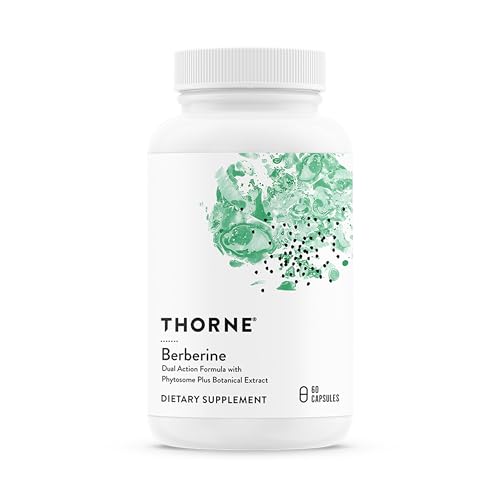
Berberine is studied for blood-sugar and lipid support, usually at 500 mg two to three times a day with meals (it clears quickly, so doses are split). It can interact with medications — especially diabetes drugs — so clear it with your doctor first. Look for standardized berberine HCl, third-party tested; dihydroberberine is a newer, better-absorbed form.

Frequently Asked Questions
What are the side effects of berberine?
The most common side effects reported from oral berberine are gastrointestinal issues. According to the National Center for Complementary and Integrative Health (NCCIH), these include abdominal pain, constipation, diarrhea, nausea, bloating, and vomiting. Clinical trials generally describe these digestive events as mild, with zero serious adverse events reported in a 2024 meta-analysis of 50 trials.
Is berberine safe during pregnancy?
Berberine may be unsafe during pregnancy or breastfeeding. The National Center for Complementary and Integrative Health (NCCIH) warns that berberine exposure can cause or worsen jaundice in newborns, which can lead to kernicterus, a life-threatening problem. People who are pregnant or breastfeeding should not use it.
Does berberine interact with medications?
Berberine has been shown to interact with cyclosporine and might interact with other medicines. The National Center for Complementary and Integrative Health (NCCIH) notes that berberine interacts with cyclosporine, a medication used to prevent organ transplant rejection. It might also interact negatively with other medicines, so individuals taking medication should speak with their doctor or pharmacist before use.
Is berberine safe to take long term?
Published reference sources do not provide sufficient evidence regarding long-term safety. While a 2024 meta-analysis in Frontiers in Pharmacology examined 50 trials in type 2 diabetes and found no serious adverse events across 16 reporting studies, the authors highlighted that weak methodology in many trials leaves the safety picture incomplete. Ask your clinician to evaluate potential risks based on your health profile.
Who should avoid berberine?
Berberine should not be taken by pregnant women, breastfeeding mothers, or infants, because NCCIH links exposure to harmful bilirubin buildup in infants. People with diabetes or on prescription medicines, including cyclosporine, should ask their clinician or pharmacist whether berberine is appropriate.
Related Berberine Pages
Topic updates
Get the weekly metabolic health roundup
Insulin resistance, blood sugar, visceral fat, GLP-1 plateaus, metabolic syndrome, and weight-loss physiology.
Want your metabolic health handled by a physician who works from your labs? See how Opt Health does it →
Check Where You Stand
Take our free health assessment to understand your metabolic, hormonal, and recovery risk factors — and get personalized recommendations.
Take the Free Assessment →Free · Takes 5 minutes · Instant results
Affiliate disclosure: The Metabolic Journal is reader-supported. Some links above are affiliate or referral links and we may earn a commission at no extra cost to you. As an Amazon Associate we earn from qualifying purchases. Products are chosen on the merits; commissions never influence what we recommend. This is general information, not medical advice — talk to your clinician before acting.