Essential Hypertension: Definition, Causes, and Stages
Medically reviewed by Medical Advisory Board Last reviewed 2026-10-02
High blood pressure without a single direct cause accounts for most clinical diagnoses.
Essential hypertension is persistently high blood pressure that develops without a single identifiable underlying medical cause. It represents the large majority of adult high blood pressure diagnoses and requires confirmation across multiple clinical visits. Long-term management pairs everyday nutrition and activity adjustments with blood pressure medications when cardiovascular risk warrants treatment.
Essential hypertension, also called primary hypertension, is persistently high blood pressure that develops gradually without a single identifiable underlying medical cause. At The Metabolic Journal, we examine cardiovascular clinical guidelines and laboratory panels to help you understand what your blood pressure numbers mean for your long-term health. This condition represents the large majority of high blood pressure cases diagnosed in adults, and MedlinePlus offers a general overview of high blood pressure.
Unlike secondary forms of hypertension that arise directly from a separate medical disorder, essential hypertension builds over years through an interaction of arterial aging, genetic susceptibility, and daily habits. High blood pressure rarely creates noticeable early physical warnings, which is why clinicians refer to it as a silent condition. Regular blood pressure measurement remains the primary way healthcare providers detect vascular strain before heart or kidney complications develop.
Partner · Opt Health
Want a clinician to work up your metabolic numbers?
Opt Health runs fasting insulin, A1C, a full lipid panel and 50+ other markers, then builds a treatment plan — GLP-1s included where they're appropriate — with a physician who reviews the data with you directly.
See Opt Health's metabolic program →Essential Hypertension vs Secondary Hypertension
Essential hypertension and secondary hypertension differ primarily in whether an identifiable medical condition directly causes the rise in blood pressure. In essential hypertension, arterial pressure climbs as a result of multiple combined influences rather than an isolated organ defect. Secondary hypertension occurs as the direct consequence of another medical illness or a specific pharmaceutical side effect.
Secondary hypertension accounts for a much smaller share of clinical cases, but identifying it is critical because treating the root disorder often corrects or substantially improves the high blood pressure. Clinicians investigate secondary causes when elevated blood pressure appears suddenly, starts at a young age, or proves difficult to control despite several blood pressure medications. Recognizable causes of secondary hypertension include chronic kidney disease (CKD), narrowing of the renal arteries, primary aldosteronism from the adrenal glands, obstructive sleep apnea, thyroid disease, and rare neuroendocrine tumors such as pheochromocytoma. Certain common medications can also induce secondary hypertension, including nonsteroidal anti-inflammatory drugs (NSAIDs), oral decongestants, and oral contraceptives.
| Category | Primary Cause | How Common | When Suspected | Clinical Examples |
|---|---|---|---|---|
| Essential Hypertension | Multiple overlapping factors (genetics, aging, diet, vascular tone) | The large majority of adult cases | Gradual onset in adulthood, strong family history | Elevated readings that climb slowly over years alongside weight gain or aging |
| Secondary Hypertension | A specific, identifiable medical condition or medication | A small fraction of adult cases | Sudden onset, young age, or poor response to multiple drugs | Chronic kidney disease, primary aldosteronism, sleep apnea, or NSAID use |
When initial clinical evaluations show unexpected electrolyte imbalances or abnormal kidney markers, doctors order diagnostic follow-up to rule out secondary hypertension before finalizing a primary diagnosis. Routine blood tests like a comprehensive metabolic panel help clinicians inspect renal function, sodium balance, and potassium levels for clues pointing toward secondary disease.
Blood Pressure Numbers That Define Hypertension
Clinical blood pressure categories established by the American College of Cardiology (ACC) and American Heart Association (AHA) classify adult blood pressure into four distinct ranges based on resting cuff measurements. The upper number represents systolic pressure, which measures the force exerted against arterial walls as the heart beats. The lower number represents diastolic pressure, which reflects vascular resistance while the heart rests between beats.
| Blood Pressure Category | Systolic Range (mm Hg) | Diastolic Range (mm Hg) | Clinical Meaning |
|---|---|---|---|
| Normal | Below 120 | and below 80 | Cardiovascular system functions under low resting resistance |
| Elevated | 120 to 129 | and below 80 | Vascular resistance is rising; lifestyle adjustments recommended |
| Stage 1 Hypertension | 130 to 139 | or 80 to 89 | Threshold for formal hypertension diagnosis; treatment depends on risk |
| Stage 2 Hypertension | 140 or higher | or 90 or higher | Advanced pressure elevation; typically requires medication alongside lifestyle care |
A formal diagnosis of essential hypertension requires confirmed elevated readings on more than one occasion. A single elevated measurement in an office setting does not establish high blood pressure because acute stress, physical exertion, pain, or the stress of a clinical visit can temporarily distort results. Clinicians rely on repeated office visits, home blood pressure monitoring, and ambulatory monitoring to confirm that high readings represent a consistent physiological pattern. You can compare your specific readings against our blood pressure chart to understand where typical adult measurements fall across age groups.
Under the updated recommendations outlined in our review of the 2025 blood pressure guidelines, the standard therapeutic target for most adults is a reading below 130/80 mm Hg. For adults with Stage 1 hypertension, guideline panels recommend calculating 10-year cardiovascular risk using the Predicting Risk of cardiovascular disease EVENTs (PREVENT) risk calculator. When 10-year cardiovascular risk reaches 7.5 percent or higher, or when an individual has established cardiovascular disease, diabetes, or chronic kidney disease, clinicians recommend initiating prescription medication alongside structured lifestyle modifications. Readers can estimate their personal 10-year cardiovascular baseline using our PREVENT calculator guide.
Risk Factors for Essential Hypertension
Essential hypertension develops from an interplay of genetic predisposition, aging blood vessels, and long-term lifestyle factors rather than a single physical defect. Over time, these combined pressures stiffen arterial walls, elevate systemic vascular resistance, and alter how the kidneys regulate fluid balance.
The most common contributors recognized across clinical literature include:
- Advancing age: Arteries lose elasticity as structural proteins change, leading to increased systolic pressure over decades of life.
- Family medical history: Having close relatives with primary hypertension increases personal susceptibility. This pattern points to shared genetic factors affecting vascular tone and sodium handling.
- Excess body weight: Carrying extra weight increases circulating blood volume, places higher demand on cardiac output, and stimulates the sympathetic nervous system.
- High dietary sodium: Excessive sodium consumption causes fluid retention in sensitive individuals, expanding plasma volume and raising pressure inside blood vessels.
- Sedentary habits: Low physical activity diminishes cardiovascular conditioning, contributes to weight gain, and reduces natural arterial dilation.
- Heavy alcohol consumption: Regular heavy drinking triggers chronic hormonal shifts and autonomic nerve stimulation that constrict blood vessels.
Metabolic factors also intertwine with vascular regulation. Clinicians frequently observe that elevated blood pressure clusters alongside insulin resistance and metabolic syndrome. When cells become less responsive to insulin, higher circulating insulin may also affect how the body handles sodium and blood pressure. This connection shows why metabolic health and vascular health frequently decline together, though clinicians view it as an observational association rather than standalone causation.
Similarly, higher serum uric acid concentrations often appear in individuals with elevated blood pressure. Clinical research notes that high uric acid and hypertension frequently coincide in the setting of metabolic dysfunction. While clinicians monitor this marker during routine evaluations, current medical consensus treats this as an observational association, and medical guidance has not established lowering uric acid as a direct treatment for high blood pressure. You can learn more about how this biomarker behaves by reviewing our uric acid blood test guide.
How Essential Hypertension Is Managed
Managing essential hypertension begins with foundational lifestyle adjustments and incorporates prescription medications when blood pressure measurements or cardiovascular risk scores cross clinical thresholds. The overall objective is to relieve strain on arterial walls and protect organs such as the heart, brain, and kidneys from long-term damage.
When clinicians first identify elevated readings, they order standard diagnostic tests to assess overall organ health and check for potential secondary complications. This initial evaluation includes urine tests to detect protein spilling, blood glucose tests to check for diabetes, a lipid panel to assess cholesterol fractions, and a comprehensive metabolic panel to monitor baseline kidney function and circulating electrolytes.
Lifestyle interventions serve as the initial line of care for all stages of essential hypertension:
- Weight management: Losing excess body weight lowers systemic vascular resistance and reduces cardiac workload.
- DASH eating pattern: The Dietary Approaches to Stop Hypertension (DASH) eating plan emphasizes vegetables, fruits, whole grains, and lean proteins to support vascular health.
- Sodium reduction: Moderating daily salt intake helps prevent fluid retention and eases pressure within blood vessels.
- Regular aerobic exercise: Engaging in routine moderate-intensity exercise, such as brisk walking or cycling, improves arterial flexibility and autonomic balance.
- Limiting alcohol intake: Reducing alcohol consumption prevents alcohol-induced blood pressure elevations and supports cardiovascular recovery.
When lifestyle changes alone do not lower blood pressure to target ranges, or when a patient's 10-year risk assessment on the PREVENT calculator reaches 7.5 percent or higher, doctors recommend antihypertensive medication. Four primary classes of blood pressure medications serve as standard first-line therapies: angiotensin-converting enzyme (ACE) inhibitors, angiotensin receptor blockers (ARBs), calcium channel blockers, and thiazide-type diuretics. Prescribing clinicians select specific classes based on an individual's age, kidney function, electrolyte levels, and coexisting health conditions. If you have concerns about persistently high readings or need personalized guidance on managing your cardiovascular numbers, consult licensed clinicians through our clinical consultation directory.
Living With and Monitoring Hypertension
Because high blood pressure produces no noticeable physical warnings, consistent home monitoring and scheduled clinical checkups serve as the primary safeguards against silent cardiovascular injury. Essential hypertension is widely recognized as a silent condition, so arterial damage can progress for years without causing headaches, dizziness, or fatigue. According to educational materials from the National Heart, Lung, and Blood Institute (NHLBI), persistent arterial pressure damages blood vessel walls throughout the body. Over time, persistent pressure increases the probability of heart attack, stroke, heart failure, and chronic kidney disease.
Reliable home blood pressure monitoring provides a more accurate picture of daily vascular control than occasional clinic visits. To obtain consistent measurements, sit quietly with your back supported and feet flat on the floor for a few minutes before taking a reading. Position the blood pressure cuff directly on bare skin at heart level, and avoid caffeine, exercise, or smoking shortly before testing. Taking paired morning and evening readings over several consecutive days gives your medical team an accurate log to evaluate whether your management plan is keeping your numbers in a safe range.
Periodic clinical appointments allow healthcare providers to review your home blood pressure logs, recheck laboratory panels for kidney safety, and adjust medication classes when numbers stray from clinical targets. Schedule regular blood pressure checks with your clinician and track daily home readings to build an accurate record for managing essential hypertension.
What to Look For in a Blood Pressure Monitor
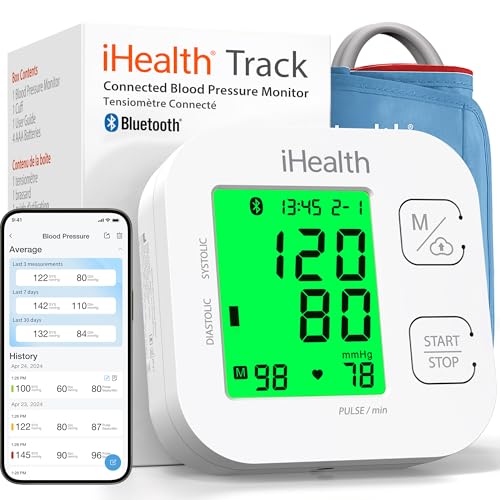
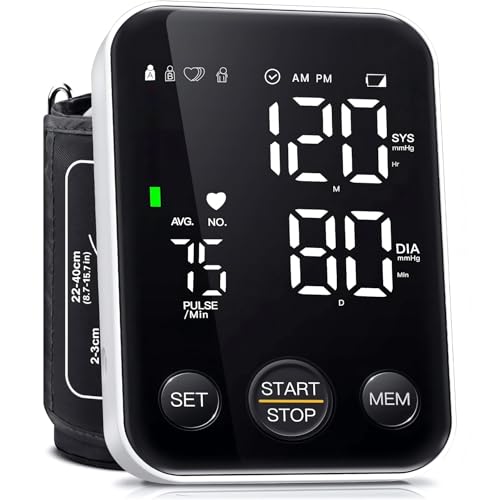
An upper-arm cuff is more accurate than a wrist model. Pick a clinically validated device with a cuff sized to your arm, and take readings seated after five minutes of rest. Models that store readings or sync to an app make it easy to share trends with your doctor.
Frequently Asked Questions
What is essential hypertension?
Essential hypertension is persistently high blood pressure that develops without an identifiable secondary cause. It is the most common form of high blood pressure in adults, accounting for the large majority of clinical diagnoses, and arises from a blend of genetic predisposition, vascular aging, and daily lifestyle factors.
What is the difference between essential and secondary hypertension?
The difference between essential and secondary hypertension centers on whether another medical condition directly causes the elevated blood pressure. Essential hypertension develops gradually without a single underlying cause, while secondary hypertension is triggered by an identifiable problem such as chronic kidney disease, adrenal gland disorders, sleep apnea, or specific prescription medications.
What causes essential hypertension?
Essential hypertension has no single identifiable cause, resulting instead from multiple overlapping contributors. Recognized risk factors include older age, a family history of high blood pressure, excess body weight, high sodium consumption, physical inactivity, heavy alcohol use, and metabolic factors such as insulin resistance.
Is essential hypertension curable?
Essential hypertension is not considered curable, but it is manageable over the long term. Adopting sustainable lifestyle modifications like weight loss, regular exercise, and a lower-sodium diet can reduce blood pressure readings substantially, though many adults require lifelong prescription medication to keep their numbers within recommended clinical targets.
What blood pressure counts as hypertension?
According to standard clinical guidelines from the American College of Cardiology and American Heart Association, hypertension begins at a systolic reading of 130 mm Hg or higher, or a diastolic reading of 80 mm Hg or higher. A formal diagnosis requires confirming these elevated measurements across multiple clinical visits or through verified home monitoring.
Topic updates
Get the weekly metabolic health roundup
Insulin resistance, blood sugar, visceral fat, GLP-1 plateaus, metabolic syndrome, and weight-loss physiology.
Want your metabolic health handled by a physician who works from your labs? See how Opt Health does it →
Check Where You Stand
Take our free health assessment to understand your metabolic, hormonal, and recovery risk factors — and get personalized recommendations.
Take the Free Assessment →Free · Takes 5 minutes · Instant results
Related Reading
← Back to Hormone Optimization
-
Low Progesterone: the Cycle Signs, Causes, How It Is Tested, and the Limits of a Single Blood Level
Low progesterone: the cycle signs, causes, how it is tested, and the limits of a single blood level.
-
How to Increase Progesterone: Restoring Ovulation, What Studies Found for Foods, Vitex and Creams, and When It Is Prescribed
How to increase progesterone: restoring ovulation, what studies found for foods, vitex and creams, and when it is prescribed.
-
Cortisol Belly: What the Research Links Between Cortisol and Belly Fat, Cushing's Signs, and What Reduces Visceral Fat
Cortisol belly: what the research links between cortisol and belly fat, Cushing's signs, and what reduces visceral fat.
See more related reading
-
Hot Flashes After Eating: How Timing Separates Food Triggers, Menopause, Low Blood Sugar and Dumping Syndrome
Hot flashes after eating: how timing separates food triggers, menopause, low blood sugar and dumping syndrome.
-
Menopause, Fatigue, Weight Gain, and Metabolic Health
Menopause symptoms, body composition, testing, and treatment paths.
-
Perimenopause Symptoms, Fatigue, and Early Hormone Changes
Early-transition fatigue, weight gain, sleep disruption, and symptom triage.
-
Low Testosterone in Men: Symptoms, Causes, and Treatment
Symptoms, causes, and treatment options for low T in men.
-
Low Testosterone Symptoms in Women: Signs, Causes, and What the Evidence Supports
The female symptom picture, why lab ranges lack a single cutoff, and what the evidence supports for treatment.
Affiliate disclosure: The Metabolic Journal is reader-supported. Some links above are affiliate or referral links and we may earn a commission at no extra cost to you. As an Amazon Associate we earn from qualifying purchases. Products are chosen on the merits; commissions never influence what we recommend. This is general information, not medical advice — talk to your clinician before acting.