PCOS vs Endometriosis: How to Tell Them Apart in 2026
Medically reviewed by Medical Advisory Board Last reviewed 2026-08-03
Two of the most common causes of pelvic pain and fertility trouble — with almost opposite hormonal drivers
PCOS and endometriosis are both common reproductive conditions that can cause irregular periods, pelvic symptoms, and fertility problems, but they work through different mechanisms. PCOS is a hormonal and metabolic condition driven by insulin resistance and androgen excess. Endometriosis is an inflammatory condition where uterine-like tissue grows outside the uterus. The two can coexist, and both require different testing to diagnose.
This article is for informational purposes only and is not medical advice. Both conditions require clinical evaluation to diagnose — consult a doctor or gynecologist for testing and treatment.
PCOS (polycystic ovary syndrome) and endometriosis are two of the most common reproductive-health conditions in women of childbearing age. They're frequently confused because both can cause irregular cycles, pelvic pain, and difficulty getting pregnant. Their underlying mechanisms, however, are almost opposite. PCOS is fundamentally a metabolic and hormonal condition: insulin resistance drives excess androgen production, disrupting ovulation. Endometriosis is fundamentally an inflammatory condition: tissue similar to the uterine lining grows outside the uterus and bleeds with each cycle, causing pain and scarring.
Partner · Opt Health
Want a clinician who takes perimenopause seriously?
Opt Health's women's program runs full hormone and thyroid panels and treats the symptoms most primary-care visits wave off — sleep, mood, energy, cycle changes, libido — with physicians trained in hormone medicine.
See Opt Health's women's program →For more background on the metabolic side, see our PCOS guide, which explains the insulin-resistance-driven hormonal cascade in detail.
PCOS vs Endometriosis at a Glance
Both are common, both affect fertility, and both are frequently misdiagnosed or delayed for years — but the driving mechanism and the diagnostic path are different. The table below compares them directly.| Factor | PCOS | Endometriosis |
|---|---|---|
| Core mechanism | Insulin resistance driving excess androgen production, disrupting ovulation | Uterine-like tissue growing outside the uterus, triggering inflammation and scarring |
| US prevalence | Estimated 8-13% of reproductive-age women | Estimated 10% of reproductive-age women |
| Hallmark symptom | Irregular or absent periods, often with weight gain and acne | Severe, often disabling pelvic pain, especially during periods |
| Pain pattern | Not typically a defining feature | Cyclical pelvic pain, painful periods, pain during intercourse |
| Androgen symptoms | Common — acne, excess facial/body hair, scalp thinning | Not a feature of the condition |
| Metabolic link | Strong — insulin resistance is central to the diagnosis | Weak — not primarily a metabolic condition |
| Diagnosis | Clinical criteria + labs (androgens, pelvic ultrasound); Rotterdam criteria | Definitive diagnosis requires laparoscopy; ultrasound/MRI can suggest it |
| Fertility impact | Anovulation is the primary barrier to conception | Scarring, adhesions, and inflammation can impair egg quality and implantation |
Why the Symptoms Overlap So Much
PCOS and endometriosis overlap in the symptoms that send most people to a doctor in the first place — irregular or unpredictable cycles, pelvic discomfort, and trouble conceiving. Both are also chronically under-diagnosed: research consistently finds both conditions take years, sometimes close to a decade, from first symptoms to formal diagnosis, partly because symptoms are dismissed as "normal period problems."
Where they diverge is the specific symptom pattern underneath the overlap. PCOS cycles tend to be unpredictable or absent because ovulation itself is disrupted, and androgen-driven symptoms — acne, excess hair growth, scalp hair thinning — are common. Endometriosis cycles are often regular, but characterized by severe, escalating pain, particularly pain that's disproportionate to what's typically expected during a period, or pain during sex, bowel movements, or urination around the time of a period.
How Each Is Actually Diagnosed
PCOS is usually diagnosed clinically, using the Rotterdam criteria (two of three: irregular ovulation, clinical or lab evidence of excess androgens, and polycystic-appearing ovaries on ultrasound), supported by blood work that typically includes total and free testosterone, LH, FSH, and often fasting insulin or a glucose tolerance test to assess the metabolic component. No surgery is required.
Endometriosis is harder to confirm. Ultrasound and MRI can suggest deep infiltrating endometriosis or an endometrioma (a chocolate cyst on the ovary), but the only way to definitively diagnose and stage endometriosis is laparoscopic surgery with tissue biopsy — a meaningful part of why diagnosis takes so long. A specialist (often a gynecologist with endometriosis-specific training) is typically the right referral when pain doesn't fit a standard period pattern.
Can You Have Both PCOS and Endometriosis?
Yes — the two conditions are distinct and unrelated in mechanism, but nothing about having one protects against the other, and having both complicates the clinical picture considerably. A person with PCOS who also has unexplained pelvic pain, or pain that doesn't fit the typical PCOS pattern, should be evaluated for endometriosis separately rather than assuming all symptoms trace back to PCOS. Fertility evaluation for anyone with overlapping features of both conditions typically needs to address both the ovulatory problem (PCOS) and any structural or inflammatory barrier (endometriosis) independently, since treating one doesn't resolve the other.
Treatment: Different Conditions, Different Approaches
PCOS treatment centers on the underlying metabolic driver: weight management and exercise to improve insulin sensitivity, metformin or other insulin-sensitizing medication, and hormonal birth control or anti-androgen medication to manage cycle irregularity and androgen symptoms. For those trying to conceive, ovulation-induction medications (like letrozole or clomiphene) target the anovulation directly.
Endometriosis treatment centers on managing inflammation and lesion growth: hormonal suppression (birth control, GnRH agonists/antagonists) to reduce estrogen's effect on endometrial-like tissue, pain management, and surgical excision of lesions for moderate-to-severe cases or when fertility is a priority. Neither condition is cured by these treatments — both are managed long-term, and a fertility specialist becomes relevant for either condition when conception doesn't happen within a reasonable window of trying.
The Bottom Line
PCOS and endometriosis share enough surface symptoms to cause real diagnostic confusion, but the underlying mechanism — metabolic/hormonal versus inflammatory — is different, and so is the workup. If your main pattern is irregular or absent periods plus androgen symptoms like acne or excess hair growth, PCOS is the more likely lead and blood work is the first step. If your main pattern is severe, escalating pelvic pain — especially pain during your period, sex, or bowel movements — endometriosis deserves a dedicated gynecology referral, since imaging alone often can't rule it out. Take the free assessment to map your symptoms across metabolic and hormonal domains before your next appointment.
How to test metabolic markers at home
You don't need a lab appointment to check your own metabolic markers — a few at-home kits mail you a collection kit and return physician-reviewed results online within days:
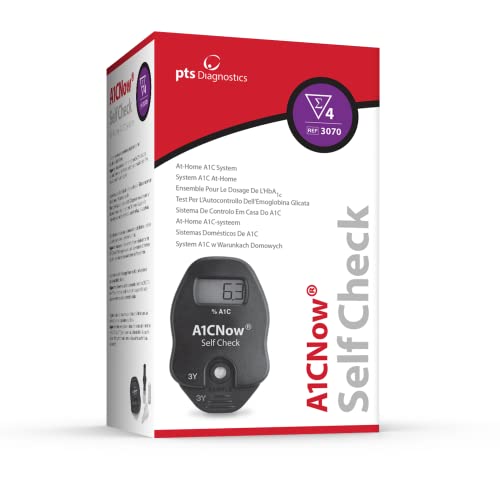
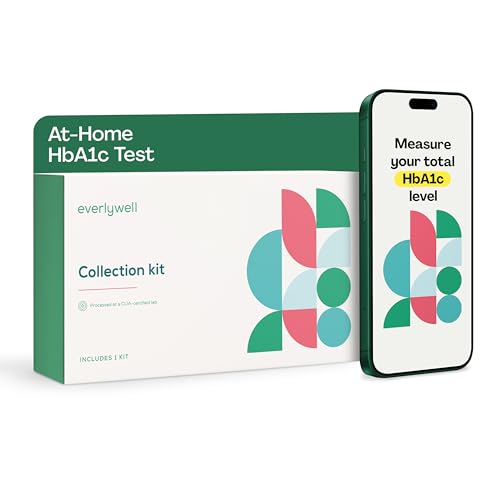
Prefer to order direct? The Everlywell HbA1c Test uses a CLIA-certified lab, physician-reviewed results, and prepaid return shipping.
What to Look For in a Continuous Glucose Monitor (CGM)
Over-the-counter CGMs like Dexcom Stelo and Abbott Lingo now sell without a prescription. Check the wear time (14–15 days per sensor), whether it reads to your phone or needs a separate device, and the monthly cost. For seeing how your own body responds to meals, a month or two is usually enough — you don't need to wear one forever.


What Makes a Good Fiber Supplement
For blood-sugar and cholesterol support you want SOLUBLE fiber — psyllium husk is the best studied. Start with one teaspoon and build up with plenty of water to avoid bloating, and take it 10–15 minutes before carb-heavy meals. Choose an unsweetened, additive-free powder or capsule.


Frequently Asked Questions
What is the main difference between PCOS and endometriosis?
PCOS is a metabolic and hormonal condition driven by insulin resistance and excess androgen production, which disrupts ovulation and causes irregular periods. Endometriosis is an inflammatory condition where uterine-like tissue grows outside the uterus, causing pelvic pain. They require different testing — PCOS is diagnosed with blood work and clinical criteria, endometriosis typically requires laparoscopy to confirm.
Can you have both PCOS and endometriosis at the same time?
Yes. The two conditions are unrelated in mechanism, so having one doesn't protect against or cause the other. Anyone with PCOS who also has pelvic pain that doesn't fit the typical PCOS pattern should be evaluated separately for endometriosis, since treating PCOS won't resolve endometriosis symptoms.
How do I know if it's PCOS or endometriosis?
The clearest signal is the symptom pattern: PCOS typically presents with irregular or absent periods plus androgen symptoms like acne or excess hair growth, while endometriosis typically presents with severe, escalating pelvic pain, especially around periods, sex, or bowel movements. Symptoms alone aren't a diagnosis — PCOS needs blood work, and endometriosis usually needs imaging and often laparoscopy to confirm.
Which is more serious, PCOS or endometriosis?
Both are serious chronic conditions that deserve treatment, not comparison as 'worse.' Untreated PCOS carries long-term metabolic risks, including type 2 diabetes and cardiovascular disease. Untreated or severe endometriosis can cause significant chronic pain and, in advanced cases, organ involvement. Neither should go unmanaged, and both benefit from early diagnosis.
Topic updates
Get the weekly hormone optimization roundup
Testosterone, thyroid, cortisol, estrogen, menopause, perimenopause, libido, and hormone testing.
Want your hormones handled by a physician who works from your labs? See how Opt Health does it →
Check Where You Stand
Take our free health assessment to understand your metabolic, hormonal, and recovery risk factors — and get personalized recommendations.
Take the Free Assessment →Free · Takes 5 minutes · Instant results
Related Comparisons
← Back to Hormone Optimization
-
PCOS vs Thyroid Symptoms: How to Tell Two Commonly Confused Hormonal Conditions Apart
PCOS vs thyroid symptoms: shared symptoms, the clues that point one way, and why both often get tested together.
-
PCOS and Hormone Imbalance: What You Need to Know
PCOS, insulin resistance, and the hormonal cascade.
-
PCOS Symptoms: the Full Checklist by Category — Reproductive, Dermatologic, and Metabolic
PCOS symptoms by category — reproductive, dermatologic/androgen, and metabolic — plus a life-stage FAQ.
Affiliate disclosure: The Metabolic Journal is reader-supported. Some links above are affiliate or referral links and we may earn a commission at no extra cost to you. As an Amazon Associate we earn from qualifying purchases. Products are chosen on the merits; commissions never influence what we recommend. This is general information, not medical advice — talk to your clinician before acting.