Lingo vs Stelo: Comparing Over-the-Counter Glucose Monitors
Tested and reviewed by Dr. Michael Teplitsky, MD · Updated October 19, 2026
Abbott Lingo offers a single-sensor starter pack with live glucose data every minute, while Dexcom Stelo provides a monthly subscription and works with a compatible Apple Watch; a compatible smartphone is required to pair a new sensor.
Neither vendor page shows a head-to-head accuracy test. The choice between Abbott Lingo and Dexcom Stelo comes down to price structure, sensor length, and phone and watch support. Both products function as an over-the-counter (OTC) continuous glucose monitor (CGM) designed for adults 18 years and older who do not take insulin. Neither device requires a prescription from a doctor, and both products qualify for health savings account (HSA) or flexible spending account (FSA) spending. Both are worn on the body as a continuous glucose sensor.
Abbott manufactures Lingo to provide live glucose data every minute of every day for up to 14 days. Dexcom manufactures Stelo as an integrated continuous glucose monitor (iCGM) designed to last up to 15 days per sensor. For other options, see our review of the best CGMs for metabolic health or read about tracking glucose spikes.
Want a clinician to work up your metabolic numbers?
Opt Health runs fasting insulin, A1C, a full lipid panel and 50+ other markers, then builds a treatment plan — GLP-1s included where they're appropriate — with a physician who reviews the data with you directly.
See Opt Health's metabolic program →Lingo vs Stelo at a Glance
Abbott Lingo and Dexcom Stelo differ in purchase structure, stated sensor lifespan, and phone and watch support. Lingo is sold as a $54 starter plan with one biosensor, no auto-renew, and live glucose data every minute. Stelo is sold as a monthly subscription and works with a compatible Apple Watch. The table below sets the two side by side.
| Dimension | Abbott Lingo | Dexcom Stelo |
|---|---|---|
| Primary manufacturer | Abbott | Dexcom |
| Intended user profile | Adults 18+ not on insulin; not for diagnosing disease | Adults 18+ not on insulin (no problematic hypoglycemia) |
| Prescription requirement and availability | Over the counter with no prescription required | Over the counter with no prescription required |
| Listed pricing and purchase structure | $54 starter plan for 1 biosensor (no auto-renew, free shipping) | $89.00 monthly subscription (listed as down from $99.00) |
| Stated sensor wear duration | Up to 14 days (free replacement if sensor stops early) | 15-day sensor (vendor footnote: about 20% may not last the full 15 days) |
| Hardware and wearable compatibility | iOS and Android (syncs with Apple Health or Health Connect) | Compatible smartphone required to pair with Apple Watch |
| Dietary and coaching add-ons | Berry Street nutrition network (insurance coverage varies) | In-app AI Coach plus Nutrisense coaching option |
| HSA/FSA | Described as eligible | Listed as eligible |
| App extras | Lingo Count (calculation not explained on the page) | Morning recaps, wins, personalized tips, AI Coach (tips are not medical advice) |
Price and Purchase Structure
The pricing models for Abbott Lingo and Dexcom Stelo target different levels of commitment. Abbott sells Lingo through a starter plan listed at $54 on the Lingo website. That starter pack includes one biosensor and full access to the Lingo app. The plan has no ongoing commitment, does not auto-renew, includes free shipping, and carries a 30-day money-back guarantee on first-time purchases.
Dexcom offers Stelo through an ongoing monthly subscription listed at $89.00 on the Stelo website, which is displayed as reduced from an original price of $99.00. The Stelo webpage does not state how many individual sensors arrive in each monthly subscription, so buyers should not assume a specific unit count. Both products are described as HSA and FSA eligible.
Because promotional rates and purchase terms change over time, verify current pricing on the Lingo website and the Stelo website before you order. Neither vendor page publishes matching cost data that allows an exact cost-per-day calculation.
Wear Time and Sensor Reliability
Dexcom Stelo specifies a 15-day sensor lifespan, whereas Abbott Lingo rates its biosensor for up to 14 days of continuous wear. Abbott states that Lingo captures live glucose data every minute of every day throughout its wear period. The Lingo biosensor applies to the back of the upper arm, and Abbott describes the application process as painless. If a Lingo biosensor stops working before the 14 days end, Abbott replaces the unit free of charge.
Dexcom markets Stelo as a 15-day sensor that continuously measures, records, analyzes, and displays glucose readings. A footnote on the Stelo website discloses that 77.9 percent of sensors evaluated in a study lasted the full 15 days. That same note states that approximately 20 percent of sensors may not last the full 15 days when used according to the product labeling. Neither vendor page shows a head-to-head accuracy test or MARD figure.
Phone, Watch and App Support
Abbott Lingo runs on both iOS and Android smartphones, while Dexcom Stelo pairs with a compatible Apple Watch. Workouts and glucose data can auto-sync with Apple Health or Health Connect.
Inside the Lingo app, users track glucose impact through a feature called Lingo Count. The feature shows glucose impact, though Abbott does not explain how the count is calculated on its website. Abbott states that Lingo does not provide nutritional advice, and Abbott says that the program does not guarantee everyone gets the same results. Berry Street, an independent nutrition service, works with 1,250+ insurance plans, and most Berry Street clients pay $0 out of pocket; actual coverage depends on the individual plan.
Dexcom Stelo requires a compatible smartphone to pair a new sensor with a compatible Apple Watch. The Stelo software delivers morning recaps, celebratory wins, personalized tips based on your data, and an artificial intelligence (AI) Coach. Dexcom explicitly notes that recommendations from the AI Coach do not constitute medical advice. One-on-one nutrition coaching through Nutrisense is offered; insurance coverage may vary.
Who Each Is Meant For
Both Abbott Lingo and Dexcom Stelo are intended strictly for adults 18 years and older who do not take insulin. If you take insulin to manage diabetes, you are outside the intended user profile for both monitors and should ask a clinician.
Dexcom notes that Stelo should not be used by anyone with problematic hypoglycemia. The device helps users detect normal, low, and high glucose levels. Dexcom also warns individuals to speak with a healthcare provider before making any medication adjustments based on sensor readings. If display numbers fail to match physical symptoms, Dexcom says a blood glucose meter may be an option.
Abbott advises you to consult a healthcare professional before changing your diet or exercise, and Abbott specifically recommends that anyone with a history of eating disorders do so. Neither product replaces a prescribed medical CGM or a doctor's diagnosis.
What Neither Page Can Tell You
Neither vendor page shows a head-to-head accuracy test or MARD figure. Dexcom markets Stelo for supporting A1C goals and lowering prediabetes risk, with a footnote marker that the Stelo website does not explain. Related reading: CONNECT trial of CGM in type 2 diabetes not on insulin.
The Lingo page does not mention FDA clearance, and the Stelo page does not go beyond the iCGM label, so neither gives a clearance date or number. To assess your metabolic baseline against lab results, consider scheduling an A1c test and reviewing your fasting glucose with a clinician.
Lingo or Stelo: The Verdict
Pick Lingo for a $54 starter plan with one biosensor and no auto-renew, with a free replacement if the biosensor stops working before 14 days. Pick Stelo for an $89.00 monthly subscription and a 15-day sensor, especially if you use a compatible Apple Watch. Because neither vendor page shows a head-to-head accuracy test, the decision rests on purchase terms, sensor length, and phone and watch support. This comparison is not for individuals who take insulin, anyone managing problematic hypoglycemia, or individuals with a history of eating disorders who have not cleared continuous monitoring with a clinician. If you have an active insulin prescription, both devices fall outside manufacturer indications, and you should ask a clinician.
A price change on either vendor page, a sensor that fails early, or advice from your doctor should change the pick. Take the assessment and talk to your clinician before deciding between Lingo and Stelo.
How to test metabolic markers at home
You don't need a lab appointment to check your own metabolic markers — a few at-home kits mail you a collection kit and return physician-reviewed results online within days:
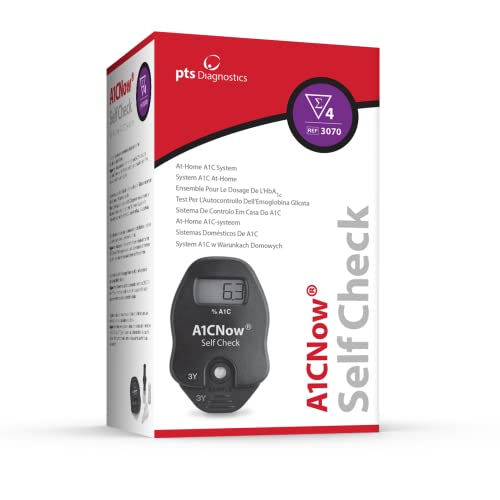
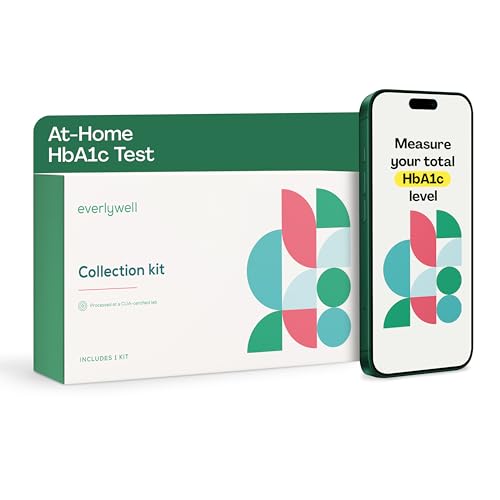
Prefer to order direct? The Everlywell HbA1c Test uses a CLIA-certified lab, physician-reviewed results, and prepaid return shipping.
What to Look For in a Continuous Glucose Monitor (CGM)
Over-the-counter CGMs like Dexcom Stelo and Abbott Lingo now sell without a prescription. Check the wear time (14–15 days per sensor), whether it reads to your phone or needs a separate device, and the monthly cost. For seeing how your own body responds to meals, a month or two is usually enough — you don't need to wear one forever.


What Makes a Good Fiber Supplement
For blood-sugar and cholesterol support you want SOLUBLE fiber — psyllium husk is the best studied. Start with one teaspoon and build up with plenty of water to avoid bloating, and take it 10–15 minutes before carb-heavy meals. Choose an unsweetened, additive-free powder or capsule.


Frequently Asked Questions
What is the difference between Lingo and Stelo?
The primary differences involve purchase structure, stated wear duration, and device connectivity. Abbott Lingo offers a $54 starter plan that includes one biosensor and full app access, no auto-renew, and streams data every minute to iOS or Android phones. Dexcom Stelo costs $89.00 a month on a subscription and uses a 15-day sensor. It works with a compatible Apple Watch, and a compatible smartphone is required to pair a new sensor. Neither vendor page shows a head-to-head accuracy test or MARD figure.
Is Lingo or Stelo cheaper?
Lingo lists a $54 starter plan for one biosensor. Stelo lists a monthly subscription at $89.00, shown as down from $99.00. They are different purchase structures, so this page does not rank one as cheaper. Prices change; verify at the Lingo website and Stelo website.
Do I need a prescription for Lingo or Stelo?
No, you do not need a prescription for either device. Both are listed as HSA or FSA eligible.
How long does a Lingo or Stelo sensor last?
A Lingo biosensor is designed to last up to 14 days, and Abbott replaces the sensor for free if it stops working before that period ends. A Stelo sensor is marketed to last up to 15 days, though a study cited on Dexcom's website notes that 77.9 percent of sensors lasted the full 15 days and about 20 percent may not last the full 15 days when used per the labeling.
Does Stelo work with Apple Watch?
Yes, Stelo works with compatible Apple Watch models, but you must have a compatible smartphone to pair a new sensor.
Can I use Lingo or Stelo if I take insulin?
No, neither Lingo nor Stelo is intended for individuals who take insulin. Both manufacturers specify that their over-the-counter devices are intended strictly for adults 18 years and older who are not on insulin therapy. If you take insulin to manage diabetes, ask a clinician.
Is Stelo or Lingo more accurate?
Neither vendor page shows a head-to-head accuracy test or MARD figure. Neither vendor page gives comparison data, so this page does not rank one device as more accurate than the other. Both devices measure glucose levels continuously in adults not on insulin.
Topic updates
Get the weekly metabolic health roundup
Insulin resistance, blood sugar, visceral fat, GLP-1 plateaus, metabolic syndrome, and weight-loss physiology.
Want your metabolic health handled by a physician who works from your labs? See how Opt Health does it →
Check Where You Stand
Take our free health assessment to understand your metabolic, hormonal, and recovery risk factors — and get personalized recommendations.
Take the Free Assessment →Free · Takes 5 minutes · Instant results
Related Comparisons
-
Grip Strength by Age: What Pooled Norms and Weakness Cut-offs Show
Grip strength by age: pooled British medians, the EWGSOP2 weakness cut-offs, and what the PURE study linked to grip.
-
Triglyceride Levels Chart: Normal, Borderline, High and Very High, What Causes High Triglycerides and How to Lower Them
Triglyceride levels chart: normal, borderline, high and very high, what causes high triglycerides and how to lower them.
-
Triglycerides vs Cholesterol: What Each Is, How They Differ on a Lipid Panel, and Why One Can Be High While the Other Looks Normal
Triglycerides vs cholesterol: what each is, how they differ on a lipid panel, and why one can be high while the other looks normal.
See more related comparisons
-
Intermittent Fasting: What the Trials Show, Common Schedules, and Who Should Not Fast
Intermittent fasting: what the trials show, common schedules, and who should not fast.
-
Intermittent Fasting for Women: What the Evidence Covers, Periods, Midlife, and a Cautious Way to Start
Intermittent fasting for women: what the evidence covers, periods, midlife, and a cautious way to start.
-
How to Lower LDL Cholesterol: the Diet Levers and Their Measured LDL Effects, Retest Timing, and When Statins or Ezetimibe Come In
How to lower LDL cholesterol: the diet levers and their measured LDL effects, retest timing, and when statins or ezetimibe come in.
-
Atorvastatin vs Rosuvastatin: LDL Lowering by Dose, LODESTAR Outcomes, Side Effects, Kidney Dosing and Interactions
Atorvastatin vs rosuvastatin: LDL lowering by dose, LODESTAR outcomes, side effects, kidney dosing and interactions.
-
How to Lower Blood Pressure: the Measured mmHg Drops From DASH, Sodium, Weight, Exercise and Alcohol, and When a Reading Is an Emergency
How to lower blood pressure: the measured mmHg drops from DASH, sodium, weight, exercise and alcohol, and when a reading is an emergency.
Affiliate disclosure: The Metabolic Journal is reader-supported. Some links above are affiliate or referral links and we may earn a commission at no extra cost to you. As an Amazon Associate we earn from qualifying purchases. Products are chosen on the merits; commissions never influence what we recommend. This is general information, not medical advice — talk to your clinician before acting.