Lack of Sleep Causes Weight Gain Mostly Through Extra Eating
Medically reviewed by Dr. Michael Teplitsky, MD Last reviewed 2026-10-21
Controlled sleep trials measured how short nights change appetite and fat loss.
Short sleep raises hunger hormones and next-day calorie intake while barely changing calories burned, so sleep debt adds weight slowly. Restoring sleep in a randomized trial cut intake by about 270 calories a day, which makes sleep a real but secondary lever next to diet.
Yes, lack of sleep can cause weight gain, mostly because short nights make you eat more the next day. At The Metabolic Journal, every guide we write starts from the study behind each claim, so the numbers below come from controlled sleep trials.
The effect is real but modest. In a 2022 randomized trial, adults who added about 1.2 hours of sleep ate roughly 270 fewer calories a day without being told to diet. Fixing sleep debt works best as one part of a weight plan, next to food and activity. It rarely explains a large weight gain on its own.
Want help fixing your sleep for real?
Opt Health treats sleep as a measurable system — cortisol rhythm, thyroid, testosterone, inflammation — and works the biology behind bad sleep with a physician, not a sleep-hygiene checklist.
See Opt Health's sleep program →How Lack of Sleep Leads to Weight Gain
Lack of sleep leads to weight gain through four routes, and extra eating is the largest one. Calories burned barely change, so the gap shows up as intake you do not notice.
- Hunger hormones shift. After two nights of restricted sleep, young men in a 2004 crossover study by Spiegel and colleagues had 18% lower leptin, 28% higher ghrelin and 24% more hunger. Their appetite for calorie-dense, high-carbohydrate foods rose 33% to 45%.
- You eat more, mostly after dinner. In a 2013 inpatient study by Markwald and colleagues, five short nights raised calories burned by about 5%, but intake rose by more, especially at night after dinner.
- Insulin works less well. Four nights of 4.5 hours in bed made fat cells 30% less sensitive to insulin in a 2012 trial by Broussard and colleagues.
- Evening cortisol stays high. One short night raised evening cortisol by 37% the next day in a 1997 study by Leproult and colleagues. The cortisol link has its own guide on cortisol and sleep.
Short sleep also moves fat toward the waist. In a 2022 trial by Covassin and colleagues, two weeks of 4-hour nights increased abdominal and visceral fat, even though total body fat did not differ from normal sleep.
How Much Weight Lack of Sleep Can Add
Lack of sleep adds a few hundred calories of eating a day, which is enough to shift weight over weeks. A 2017 meta-analysis by Al Khatib and colleagues pooled the trials and found partial sleep loss raised intake by 385 calories a day, with no reliable change in calories burned.
A 270-calorie daily gap, the size the 2022 trial reversed, adds up to about 1,890 calories a week. In the Markwald study, five short nights produced a gain of 0.82 kg (about 1.8 pounds).
Population data line up with the trials but cannot prove cause. A 2008 meta-analysis by Cappuccio and colleagues of 604,509 adults found short sleepers had 1.55 times the odds of obesity. Body mass index (BMI) ran about 0.35 units lower for each extra hour of sleep, though the authors flagged confounding.
Why Short Sleep Makes Dieting Harder
Short sleep makes a diet take more lean mass and less fat, even when calories are held the same. In a 2010 trial by Nedeltcheva and colleagues, 10 overweight adults dieted for 14 days twice, once with 8.5 hours in bed and once with 5.5 hours.
With full sleep they lost 1.4 kg of fat. With short sleep they lost only 0.6 kg of fat and 2.4 kg of lean mass instead of 1.5 kg, and they reported more hunger. Weight came off in both arms, so a sleep problem can hide inside a diet that looks like it is working.
A mistake we see readers make often is cutting calories harder when progress stalls while sleeping five or six hours. If you are in that spot, the weight-loss plateau guide covers the other causes, and the weight management hub lays out the full plan.
How Sleeping More Helps Weight Loss
Sleeping more helps weight loss mainly for people who currently sleep too little, because it lowers how much they eat. The 2022 trial by Tasali and colleagues enrolled 80 adults aged 21 to 40 with a BMI of 25 to 29.9 who habitually slept under 6.5 hours.
After one individualized sleep-hygiene counseling session aimed at 8.5 hours in bed, sleep rose by about 1.2 hours a night at home. Intake fell by 270 calories a day compared with the control group. Calories burned did not change, and weight went down.
The people in that trial were young, overweight and short on sleep. If you already sleep 7 or more hours, more time in bed is unlikely to move your weight, and diet, activity and medical causes are the better targets. Our verdict would change if a longer trial showed sleep extension alone producing lasting fat loss in people who were not short sleepers.
When Poor Sleep Is a Medical Problem
Poor sleep that lasts for months is often insomnia or sleep apnea, and both need treatment rather than an earlier bedtime. For chronic insomnia, the American College of Physicians (ACP) recommends cognitive behavioral therapy for insomnia (CBT-I) as the first treatment for all adults. Our insomnia guide explains how CBT-I works and where to find it.
Excess weight raises the risk of sleep apnea. The National Heart, Lung, and Blood Institute (NHLBI) says fat deposits in the neck can block the upper airway. A healthy weight helps prevent and treat obesity-related apnea.
Loud snoring, gasping for air at night or heavy daytime sleepiness are common apnea symptoms, and they are reasons to get tested before working on bedtime habits. The sleep apnea guide covers testing and treatment.
How to Fix Lack of Sleep for Weight Control
To fix lack of sleep for weight control, protect enough time in bed and close the late-evening eating window. The American Academy of Sleep Medicine (AASM) advises adults to sleep 7 or more hours a night on a regular basis.
- Set a bedtime that gives you 8.5 hours in bed if you sleep under 6.5 hours now, the target the Tasali trial used.
- Stop eating after dinner on short nights, since the Markwald study found the excess intake came especially after dinner.
- Keep protein in each meal, because the Al Khatib meta-analysis found short sleepers ate more fat and less protein.
- Get insomnia or suspected sleep apnea treated rather than pushing through it.
The sleep and recovery hub has the rest of our sleep guides, from deep sleep to melatonin. Tonight, set an alarm for the bedtime that gives you 8.5 hours in bed, and book a sleep evaluation if lack of sleep continues for weeks despite that bedtime.
What to Look For in a Sleep & Recovery Tracker
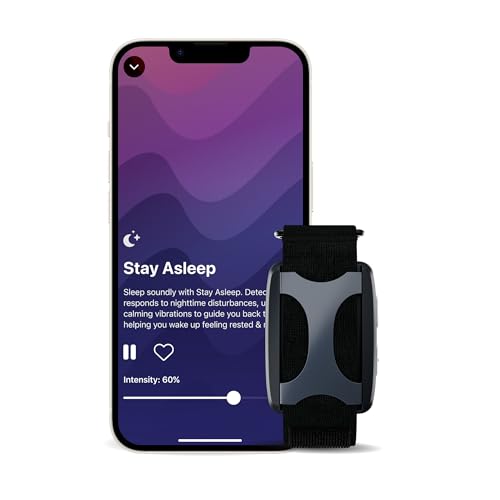
The Oura Ring and Whoop are the most accurate consumer options for sleep stages and HRV; a smartwatch (Apple Watch, Garmin) works too if you'd rather not wear a ring. Prioritize validated HRV and sleep-stage tracking over step counts, check whether it needs a subscription (Whoop does), and pick something comfortable enough to wear every night.

What Makes a Good Magnesium Supplement
Form matters more than dose: magnesium glycinate and citrate absorb well and are gentle on the stomach, while cheap magnesium oxide is poorly absorbed. A typical supplemental dose is 200–400 mg of elemental magnesium (check the label — it's usually lower than the pill weight). Take it in the evening if you're using it for sleep, and pick a third-party-tested brand.


Frequently Asked Questions
Can lack of sleep cause belly fat?
Yes, in at least one controlled trial. Two weeks of 4-hour nights increased abdominal fat, including visceral fat around the organs, while total body fat did not differ from normal sleep. The trial was small (12 adults), so treat it as a warning sign rather than a final answer.
Is it harder to lose weight when sleep deprived?
Yes. In the Nedeltcheva trial, dieters who slept 5.5 hours lost less than half as much fat as when they slept 8.5 hours on the same diet. They lost more lean mass and felt hungrier, so the weight that came off was the wrong kind.
Is 4 hours of sleep enough for weight loss?
No. The trials that limited people to 4 to 5.5 hours of sleep found more eating, more weight gain or less fat loss than with normal sleep. The AASM recommends 7 or more hours for adults.
Can lack of sleep cause weight gain in women?
Yes. In the Markwald study, women kept their weight steady with adequate sleep, but short sleep reduced their dietary restraint and led to weight gain. The study was small (16 adults).
What are the side effects of lack of sleep?
Regular sleep under 7 hours is linked to weight gain and obesity, diabetes, high blood pressure, heart disease and stroke, according to the AASM consensus statement. It is also linked to depression, weaker immune function and more accidents and errors.
How many hours of sleep do you need to lose weight?
Aim for at least 7 hours of actual sleep, the AASM minimum for adults. In the Tasali trial, short sleepers who targeted 8.5 hours in bed gained about 1.2 hours of sleep and ate 270 fewer calories a day.
Topic updates
Get the weekly recovery roundup
Sleep, HRV, fatigue, burnout, cortisol rhythm, sleep apnea, overtraining, and stress physiology.
Want your sleep handled by a physician who works from your labs? See how Opt Health does it →
Check Where You Stand
Take our free health assessment to understand your metabolic, hormonal, and recovery risk factors — and get personalized recommendations.
Take the Free Assessment →Free · Takes 5 minutes · Instant results
Related Guides
-
Hormonal Weight Gain: Estrogen, Progesterone, and What to Do About It
Which hormones drive weight gain and how to find yours.
-
Menopause Weight Gain: Why It Happens and What to Do
Why weight shifts in menopause and what helps.
-
Weight Loss Plateau: Why the Scale Stalls and How to Break It
Why weight loss stalls and how to restart it.
See more related guides
-
Evidence-based Weight Loss Tips: What Actually Works, Ranked
Non-drug weight loss fundamentals ranked by evidence strength.
-
Ozempic and GLP-1 for Weight Loss: Results, Timelines, and What to Expect
Ozempic results, timelines, and side effects.
-
Why Am I Not Losing Weight? the Most Common Blockers, Ranked
The most common reasons the scale will not move, ranked.
Affiliate disclosure: The Metabolic Journal is reader-supported. Some links above are affiliate or referral links and we may earn a commission at no extra cost to you. As an Amazon Associate we earn from qualifying purchases. Products are chosen on the merits; commissions never influence what we recommend. This is general information, not medical advice — talk to your clinician before acting.