Study Links Macromastia to Chronic Migraine and Sleep Apnea
A cross-sectional analysis reveals higher rates of neurological symptoms and sleep disruption in women with enlarged breast tissue.
Observed Rates of Pain and Sleep Disorders
Women diagnosed with macromastia face higher rates of chronic migraine, neck pain, and obstructive sleep apnea (OSA) compared to women without the condition. Researchers at Wake Forest University School of Medicine evaluated health records to determine how enlarged breast tissue relates to neurological and respiratory diagnoses.
The analysis adjusted for patient age, body mass index (BMI), depression, and anxiety. Even after accounting for those variables, macromastia remained linked to a 40 percent higher likelihood of chronic migraine and a 50 percent higher likelihood of obstructive sleep apnea.
Spinal Nerve Compression and Clinical Data
Women with macromastia had more than double the rate of cervical radiculopathy, a condition involving irritation or compression of cervical spinal nerves. The study evaluated records from 687 women treated between 2017 and 2024 at headache and neurology clinics affiliated with Stanford Medical Center.
The cohort included 347 women diagnosed with macromastia and 340 women without it. Patients with enlarged breast tissue were twice as likely to report persistent neck pain alongside peripheral nerve symptoms.
Surgical Patterns and Clinical Considerations
Neck pain was the only evaluated condition linked to a higher likelihood of undergoing breast reduction surgery among women with macromastia. Although insurers frequently recognize headaches as a symptom tied to enlarged breast tissue, migraine diagnoses did not correlate with higher surgical rates in this cohort.
Patients managing chronic headaches or sleep disruption often focus on metabolic health, weight management, and sleep hygiene. Structural strain from enlarged tissue can compound physical stress and disrupt restorative sleep, making it useful for patients to discuss physical evaluations with their clinicians.
Study Design and Research Caveats
The cross-sectional design of this review captures patient data at a single point in time and cannot prove that macromastia causes migraine or sleep apnea. Because data came from specialty neurology and headache clinics, the findings may reflect patients with more severe baseline symptoms than the general population.
The researchers noted that additional studies are required to identify biological mechanisms and test whether breast reduction surgery relieves migraine or apnea symptoms.
What to Look For in a Sleep & Recovery Tracker
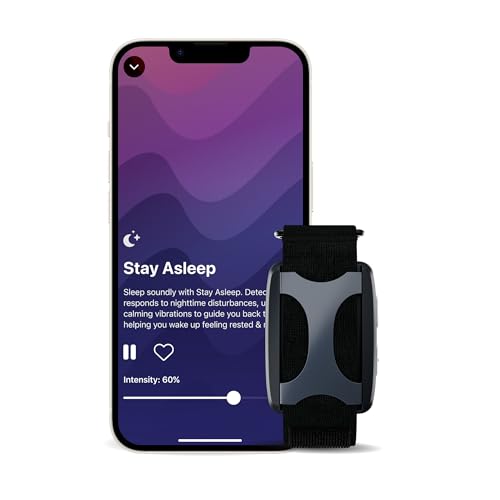
The Oura Ring and Whoop are the most accurate consumer options for sleep stages and HRV; a smartwatch (Apple Watch, Garmin) works too if you'd rather not wear a ring. Prioritize validated HRV and sleep-stage tracking over step counts, check whether it needs a subscription (Whoop does), and pick something comfortable enough to wear every night.

Related Articles
Gut Microbiome and Sleep Improvement After Hydrogen Intake
A Hiroshima University trial evaluated gut bacteria and sleep changes after hydrogen...
Read article RecoveryEvening Smartphone Use Delays Teen Sleep by Over an Hour
Teens who use smartphones past 10 p.m. fall asleep 64 minutes later and lose 20 minutes of total...
Read article RecoveryUniversity of Sydney Identifies Circadian Depression Subtype
A University of Sydney study identified a circadian depression subtype in 25 percent of...
Read article RecoveryMedical Cannabis Lacks Evidence for Insomnia in New Cochrane Review
A Cochrane systematic review of nine clinical trials found insufficient evidence to determine if...
Read articleWant help fixing your sleep for real?
Opt Health treats sleep as a measurable system — cortisol rhythm, thyroid, testosterone, inflammation — and works the biology behind bad sleep with a physician, not a sleep-hygiene checklist.
See Opt Health's sleep program →Topic updates
Get the weekly recovery roundup
Sleep, HRV, fatigue, burnout, cortisol rhythm, sleep apnea, overtraining, and stress physiology.
Understand Your Health Better
Our free assessment maps your symptoms to the most relevant guides, tools, and product recommendations.
Take the Free Assessment →Free · Takes 5 minutes · Instant results
Affiliate disclosure: The Metabolic Journal is reader-supported. Some links above are affiliate or referral links and we may earn a commission at no extra cost to you. Products are chosen on the merits; commissions never influence what we recommend. This is general information, not medical advice — talk to your clinician before acting.