Evening Smartphone Use Delays Teen Sleep by Over an Hour
A JAMA Pediatrics study links late-night screen time to shorter sleep duration and fragmented rest in adolescents.
Smartphone Use After 10 P.M. Delays Teen Sleep
Adolescents who use smartphones past 10 p.m. take over an hour longer to fall asleep and lose an average of 20 minutes of night rest. A research team led by Dr. Dimitri Christakis at Seattle Children's Research Institute analyzed evening digital habits to evaluate their effect on adolescent rest.
The peer-reviewed study appeared in the Journal of the American Medical Association Pediatrics (JAMA Pediatrics). The authors concluded that reducing phone activity after 10 p.m. and immediately before bed improves sleep duration.
What Nearly 7,600 Nights of Tracking Revealed
The investigation tracked 425 participants with an average age of nearly 15 across approximately 7,600 total nights. Every participant belonged to an ongoing research cohort studying adolescent brain development.
On nights when teenagers exceeded their personal average phone time after 10 p.m., sleep onset shifted 64 minutes later. These participants also faced higher odds of waking up within 30 minutes of nodding off.
The researchers recorded a clear dose response throughout the dataset. Each additional minute of phone use beyond a teenager's typical baseline after 10 p.m. further delayed sleep onset and trimmed total sleep time.
Sensory Stimulation and Light Disrupt Rest Cycles
Digital devices disrupt adolescent sleep through direct schedule displacement and sensory neurological stimulation. Late activity keeps adolescents awake longer simply by occupying time that would otherwise go toward rest.
Dr. Daniel Bigman, a pediatric sleep physician at Northwell Health who reviewed the data, noted that notifications, videos, and texts keep the brain alert. Artificial screen light also alters the natural sleep-wake cycle by signaling daytime brightness to sensory pathways.
Using a device 5 to 15 minutes before bedtime correlated with increased wakefulness throughout the night. Fragmented rest in teenagers impairs concentration, emotional regulation, impulse control, and daytime motivation.
Study Scope and Behavioral Adaptations
The findings represent observational data from an adolescent cohort rather than a controlled randomized trial. The measurements highlight strong associations between late-night device habits and disrupted sleep patterns without isolating specific content types.
Clinical reviewers suggest replacing late-night device use with low-stimulation routines rather than abruptly confiscating hardware. Activities such as reading, listening to music, stretching, and relaxation exercises support a restorative sleep routine.
- Set a consistent device cutoff target at or before 10 p.m.
- Avoid screen exposure during the 15 minutes immediately prior to bedtime.
- Replace late texting and video consumption with reading, quiet music, or stretching.
What to Look For in a Sleep & Recovery Tracker
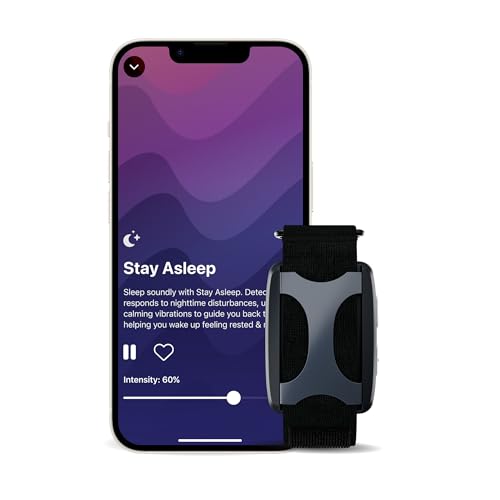
The Oura Ring and Whoop are the most accurate consumer options for sleep stages and HRV; a smartwatch (Apple Watch, Garmin) works too if you'd rather not wear a ring. Prioritize validated HRV and sleep-stage tracking over step counts, check whether it needs a subscription (Whoop does), and pick something comfortable enough to wear every night.

What Makes a Good Magnesium Supplement
Form matters more than dose: magnesium glycinate and citrate absorb well and are gentle on the stomach, while cheap magnesium oxide is poorly absorbed. A typical supplemental dose is 200–400 mg of elemental magnesium (check the label — it's usually lower than the pill weight). Take it in the evening if you're using it for sleep, and pick a third-party-tested brand.


Related Articles
University of Sydney Identifies Circadian Depression Subtype
A University of Sydney study identified a circadian depression subtype in 25 percent of...
Read article RecoveryMedical Cannabis Lacks Evidence for Insomnia in New Cochrane Review
A Cochrane systematic review of nine clinical trials found insufficient evidence to determine if...
Read article RecoveryPre-Surgery Physical Activity Linked to Lower Delirium Risk
A study presented at ANESTHESIOLOGY 2026 links weekly physical activity before tumor removal...
Read article RecoveryPre-Surgery Melatonin and Ambien May Reduce Postoperative Pain
An analysis presented at ANESTHESIOLOGY 2026 found taking melatonin or Ambien before surgery...
Read articleWant help fixing your sleep for real?
Opt Health treats sleep as a measurable system — cortisol rhythm, thyroid, testosterone, inflammation — and works the biology behind bad sleep with a physician, not a sleep-hygiene checklist.
See Opt Health's sleep program →Topic updates
Get the weekly recovery roundup
Sleep, HRV, fatigue, burnout, cortisol rhythm, sleep apnea, overtraining, and stress physiology.
Understand Your Health Better
Our free assessment maps your symptoms to the most relevant guides, tools, and product recommendations.
Take the Free Assessment →Free · Takes 5 minutes · Instant results
Affiliate disclosure: The Metabolic Journal is reader-supported. Some links above are affiliate or referral links and we may earn a commission at no extra cost to you. Products are chosen on the merits; commissions never influence what we recommend. This is general information, not medical advice — talk to your clinician before acting.