Medical Cannabis Lacks Evidence for Insomnia in New Cochrane Review
A systematic review of nine clinical trials finds existing data too uncertain to confirm sleep benefits.
Cochrane Review Finds Evidence Too Uncertain for Sleep
A systematic review by Cochrane concluded that current clinical trial evidence is too uncertain to determine if medical cannabis improves sleep quality or daytime functioning in adults with insomnia. The researchers evaluated data from nine controlled trials involving 537 adults between the ages of 18 and 76.
Investigators from the Cochrane Associate Centre at the Universidad Hospital Italiano de Buenos Aires and the University of Manitoba led the analysis. Most evaluated trials focused on primary insomnia rather than sleep loss caused by underlying medical conditions.
Eight of the nine included trials compared regulated medical cannabis formulations against an inactive placebo. One trial compared cannabis against the prescription antidepressant amitriptyline.
Minimal Changes in Sleep Metrics and Daily Function
Medical cannabis demonstrated little to no clinically meaningful improvement in total sleep time, sleep quality, sleep satisfaction, or daytime functioning when compared directly against a placebo. Formulations in these trials included controlled ratios of tetrahydrocannabinol (THC) and cannabidiol (CBD) administered as oral oils, sprays, or tablets.
Participants receiving cannabis preparations experienced higher rates of mild adverse events than those taking placebos. Reported side effects were concentrated in minor complaints, specifically dry mouth and dizziness.
While researchers noted an apparent slight improvement in broader quality of life scores, the certainty of that finding remained very low. The pooled statistical data ranged from a slight worsening in quality of life to an improvement, preventing any firm clinical conclusion.
Study Limitations and Trial Quality Downgrades
Reviewers graded the certainty of the overall evidence base as low to very low. Factors driving this rating included elevated risk of bias in individual trial designs, small participant counts, and conflicting outcomes between studies.
The trials also varied widely in the cannabis formulations tested, making direct comparisons difficult. The longest trial followed participants for 12 weeks, leaving the longer-term safety and efficacy profile of medical cannabis unstudied.
Patient demographics in the pooled data limited broad applicability. Women comprised 72.66% of the trial participants, skewing the findings toward younger female cohorts and leaving men, older adults, and people with complex metabolic conditions underrepresented.
- Total evaluated sample size was limited to 537 participants across nine studies.
- Maximum study duration reached only 12 weeks of active follow-up.
- Trial participants were 72.66% female, limiting applicability to older adults and men.
Considerations for Recovery and Sleep Management
Sleep disruption impairs metabolic health, insulin sensitivity, and physical recovery, making sleep duration a frequent concern for patients managing metabolic disorders. Current evidence-based clinical options for persistent insomnia include cognitive behavioral therapy for insomnia (CBT-I) alongside targeted prescription therapies.
The lead authors emphasized that these findings do not prove medical cannabis is completely ineffective. Instead, the results demonstrate that current clinical trials fail to provide adequate data to support clinical recommendations.
People experiencing chronic insomnia should consult a personal clinician to evaluate established behavioral and medical interventions while higher-quality clinical research on cannabinoid therapies develops.
What to Look For in a Sleep & Recovery Tracker
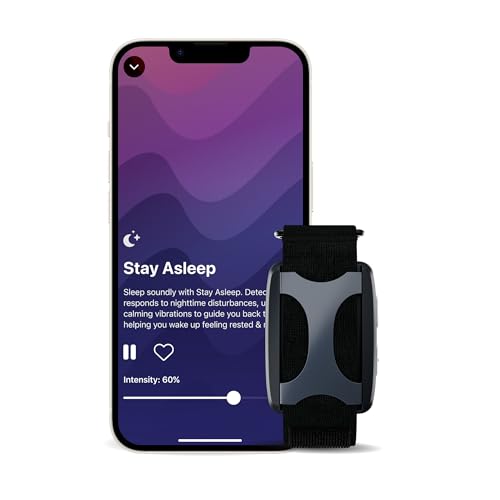
The Oura Ring and Whoop are the most accurate consumer options for sleep stages and HRV; a smartwatch (Apple Watch, Garmin) works too if you'd rather not wear a ring. Prioritize validated HRV and sleep-stage tracking over step counts, check whether it needs a subscription (Whoop does), and pick something comfortable enough to wear every night.

What Makes a Good Magnesium Supplement
Form matters more than dose: magnesium glycinate and citrate absorb well and are gentle on the stomach, while cheap magnesium oxide is poorly absorbed. A typical supplemental dose is 200–400 mg of elemental magnesium (check the label — it's usually lower than the pill weight). Take it in the evening if you're using it for sleep, and pick a third-party-tested brand.


Related Articles
Evening Smartphone Use Delays Teen Sleep by Over an Hour
Teens who use smartphones past 10 p.m. fall asleep 64 minutes later and lose 20 minutes of total...
Read article RecoveryUniversity of Sydney Identifies Circadian Depression Subtype
A University of Sydney study identified a circadian depression subtype in 25 percent of...
Read article RecoveryPre-Surgery Physical Activity Linked to Lower Delirium Risk
A study presented at ANESTHESIOLOGY 2026 links weekly physical activity before tumor removal...
Read article RecoveryPre-Surgery Melatonin and Ambien May Reduce Postoperative Pain
An analysis presented at ANESTHESIOLOGY 2026 found taking melatonin or Ambien before surgery...
Read articleWant help fixing your sleep for real?
Opt Health treats sleep as a measurable system — cortisol rhythm, thyroid, testosterone, inflammation — and works the biology behind bad sleep with a physician, not a sleep-hygiene checklist.
See Opt Health's sleep program →Topic updates
Get the weekly recovery roundup
Sleep, HRV, fatigue, burnout, cortisol rhythm, sleep apnea, overtraining, and stress physiology.
Understand Your Health Better
Our free assessment maps your symptoms to the most relevant guides, tools, and product recommendations.
Take the Free Assessment →Free · Takes 5 minutes · Instant results
Affiliate disclosure: The Metabolic Journal is reader-supported. Some links above are affiliate or referral links and we may earn a commission at no extra cost to you. Products are chosen on the merits; commissions never influence what we recommend. This is general information, not medical advice — talk to your clinician before acting.