University of Sydney Identifies Circadian Depression Subtype
Clinical and genetic data from over 10,000 adults link body clock disruption to treatment resistance and physical health risks.
Study Identifies the Circadian Depression Subtype
Researchers at the University of Sydney have identified the circadian depression subtype in a study of over 10,000 individuals with severe, recurrent, or persistent depression. Published in the British Journal of Psychiatry, the analysis evaluated clinical and genetic records from the nationwide Australian Genetics of Depression Study. The newly categorized group accounted for 2,604 participants, representing nearly 25 percent of the total sample.
First author Dr. Emiliana Tonini stated that depression is not a uniform illness. Subtypes require tailored care. Identifying biological variations helps match individuals to effective interventions earlier in their care rather than cycling through failed prescriptions.
Core Symptoms and Clinical Presentation
Circadian depression connects directly to disturbances in the 24-hour internal clock that regulates sleep and wake cycles. Individuals with this subtype report distinct symptoms. These include seasonal mood changes, prolonged sleep during depression, waking exhaustion, and an evening chronotype.
Illness onset occurred earlier in life for participants with this subtype. Patients also experienced higher rates of mania alongside elevated levels of suicidal thoughts. Clinical psychiatrist Ian Hickie emphasized that failing to identify these symptoms early leads to poor outcomes.
- Seasonal patterns in depressive episodes
- Sleeping longer during episodes while waking unrefreshed
- Evening chronotype preference, commonly described as being a night owl
- Earlier emergence of depressive illness and higher rates of mania
Genetic Health Risks in the Circadian Depression Subtype
Participants with circadian depression showed higher genetic risk scores for inflammatory and cardiovascular health problems. The genetic analysis also revealed an increased risk for major neurodevelopmental conditions, including attention-deficit/hyperactivity disorder (ADHD). These data link internal clock disruption to broader physical health vulnerabilities.
Clock mechanisms operate across multiple organ systems. The research team noted that physical and psychiatric traits clustered together in this cohort. Identifying these connections helps clinicians evaluate broader health considerations alongside mood care.
Treatment Responses for the Circadian Depression Subtype
Standard serotonin-based medications showed limited efficacy for patients with the circadian depression subtype. Common first-line options like selective serotonin reuptake inhibitors (SSRIs) and serotonin and norepinephrine reuptake inhibitors (SNRIs) proved less effective for these individuals. Patients also reported more side effects from these traditional prescriptions.
Therapies directed at the circadian system yielded superior clinical responses. These options include light therapy, melatonin, and melatonin-targeted antidepressants that engage body clock brain circuits. Co-senior author Dr. Jacob Crouse advised that clinicians should consider circadian-focused therapies much earlier in treatment.
Clinical Scope and Treatment Decisions
The study evaluated 10,000 Australian adults with severe or persistent depressive illness. Findings may not apply to mild cases. Ian Hickie noted that young patients often receive SSRIs first despite poor outcomes in the circadian group.
For people who find standard antidepressants ineffective, tailored medical and behavioral options offer an alternative path. Individuals experiencing sleep changes and treatment resistance should talk to their clinician about whether evaluation for the circadian depression subtype fits their care plan.
What to Look For in a Sleep & Recovery Tracker
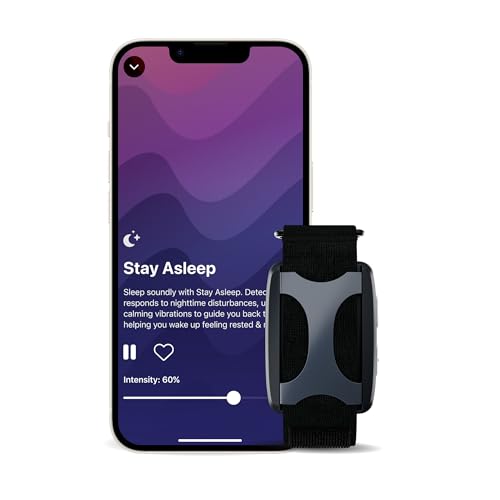
The Oura Ring and Whoop are the most accurate consumer options for sleep stages and HRV; a smartwatch (Apple Watch, Garmin) works too if you'd rather not wear a ring. Prioritize validated HRV and sleep-stage tracking over step counts, check whether it needs a subscription (Whoop does), and pick something comfortable enough to wear every night.

What Makes a Good Magnesium Supplement
Form matters more than dose: magnesium glycinate and citrate absorb well and are gentle on the stomach, while cheap magnesium oxide is poorly absorbed. A typical supplemental dose is 200–400 mg of elemental magnesium (check the label — it's usually lower than the pill weight). Take it in the evening if you're using it for sleep, and pick a third-party-tested brand.


Related Articles
Evening Smartphone Use Delays Teen Sleep by Over an Hour
Teens who use smartphones past 10 p.m. fall asleep 64 minutes later and lose 20 minutes of total...
Read article RecoveryMedical Cannabis Lacks Evidence for Insomnia in New Cochrane Review
A Cochrane systematic review of nine clinical trials found insufficient evidence to determine if...
Read article RecoveryPre-Surgery Physical Activity Linked to Lower Delirium Risk
A study presented at ANESTHESIOLOGY 2026 links weekly physical activity before tumor removal...
Read article RecoveryPre-Surgery Melatonin and Ambien May Reduce Postoperative Pain
An analysis presented at ANESTHESIOLOGY 2026 found taking melatonin or Ambien before surgery...
Read articleWant help fixing your sleep for real?
Opt Health treats sleep as a measurable system — cortisol rhythm, thyroid, testosterone, inflammation — and works the biology behind bad sleep with a physician, not a sleep-hygiene checklist.
See Opt Health's sleep program →Topic updates
Get the weekly recovery roundup
Sleep, HRV, fatigue, burnout, cortisol rhythm, sleep apnea, overtraining, and stress physiology.
Understand Your Health Better
Our free assessment maps your symptoms to the most relevant guides, tools, and product recommendations.
Take the Free Assessment →Free · Takes 5 minutes · Instant results
Affiliate disclosure: The Metabolic Journal is reader-supported. Some links above are affiliate or referral links and we may earn a commission at no extra cost to you. Products are chosen on the merits; commissions never influence what we recommend. This is general information, not medical advice — talk to your clinician before acting.