Gut Microbiome and Sleep Improvement After Hydrogen Intake
A clinical trial found hydrogen jelly did not improve overall sleep quality but identified gut bacteria variations among participants.
Trial Tests Gut Microbiome and Sleep Improvement Link
Hydrogen supplementation does not produce a measurable overall benefit for sleep quality compared with an inert control, according to a clinical trial by [Hiroshima University](https://medicalxpress.com/news/2026-10-gut-microbiome-varies-hydrogen-supplementation.html) published in Scientific Reports.
Researchers investigating the gut microbiome and sleep improvement found that baseline levels of hydrogen-producing bacteria may help explain why individual sleep outcomes differ.
The trial enrolled 44 adult participants, consisting of 16 male and 28 female volunteers, between January and May 2024.
- Design: An eight-week, randomized, double-blind, placebo-controlled clinical trial.
- Intervention: Three daily packets of jelly delivering a total dose of 0.9 milligrams of molecular hydrogen.
- Control: Three daily packets containing ambient air consumed at intervals longer than two hours.
- Outcome: Weekly sleep evaluations using four survey instruments, including a Visual Analog Scale (VAS).
Baseline Bacteria Altered Sleep Outcomes in Exploratory Data
Participants with lower initial counts of hydrogen-producing gut bacteria experienced greater relief in sleep quality and mental stress after taking hydrogen jelly.
The trial investigators conducted Principal Coordinate Analysis (PCoA) on baseline fecal samples to inspect bacterial communities before the intervention began.
Participants in the hydrogen group clustered into distinct subsets based on whether their Visual Analog Scale scores improved more or less than the median value.
- Participants with lower initial Bacteroides counts showed higher average gains in sleep metrics.
- The combined abundance of four hydrogen-producing bacterial genera correlated with individual response patterns.
- Placebo participants displayed no clustering between improved and unimproved sleep outcomes.
Why Gut Microbiome and Sleep Improvement Research Measures Hydrogen
Humans naturally generate molecular hydrogen through intestinal microbial fermentation, which provides antioxidant protection against cellular oxidative stress.
Oxidative stress involves cellular damage caused by accumulated peroxides and free radicals that disrupt standard rest cycles.
Earlier animal studies demonstrated that molecular hydrogen supported memory consolidation during sleep in mice. Previous human studies observed sleep benefits in targeted populations with obesity or post-acute sequelae of Coronavirus Disease 2019 (COVID-19).
Interpreting Gut Microbiome and Sleep Improvement Findings in Practice
The primary analysis demonstrates that supplemental hydrogen jelly is ineffective as a universal sleep remedy for the general population.
The subgroup differences emerged from secondary exploratory analyses rather than pre-specified primary trial endpoints. With 44 participants completing the protocol, the sample remains too small to establish firm clinical guidelines.
Before altering any recovery routine or starting unproven sleep aids, discuss your personal sleep logs with a qualified clinician to evaluate evidence-based options for gut microbiome and sleep improvement.
What to Look For in a Sleep & Recovery Tracker
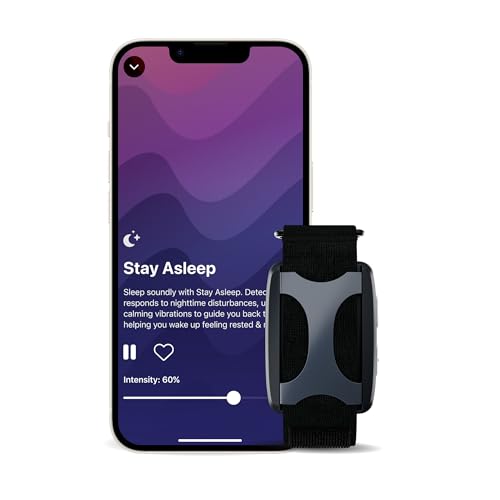
The Oura Ring and Whoop are the most accurate consumer options for sleep stages and HRV; a smartwatch (Apple Watch, Garmin) works too if you'd rather not wear a ring. Prioritize validated HRV and sleep-stage tracking over step counts, check whether it needs a subscription (Whoop does), and pick something comfortable enough to wear every night.

What Makes a Good Magnesium Supplement
Form matters more than dose: magnesium glycinate and citrate absorb well and are gentle on the stomach, while cheap magnesium oxide is poorly absorbed. A typical supplemental dose is 200–400 mg of elemental magnesium (check the label — it's usually lower than the pill weight). Take it in the evening if you're using it for sleep, and pick a third-party-tested brand.


Related Articles
Evening Smartphone Use Delays Teen Sleep by Over an Hour
Teens who use smartphones past 10 p.m. fall asleep 64 minutes later and lose 20 minutes of total...
Read article RecoveryUniversity of Sydney Identifies Circadian Depression Subtype
A University of Sydney study identified a circadian depression subtype in 25 percent of...
Read article RecoveryMedical Cannabis Lacks Evidence for Insomnia in New Cochrane Review
A Cochrane systematic review of nine clinical trials found insufficient evidence to determine if...
Read article RecoveryPre-Surgery Physical Activity Linked to Lower Delirium Risk
A study presented at ANESTHESIOLOGY 2026 links weekly physical activity before tumor removal...
Read articleWant help fixing your sleep for real?
Opt Health treats sleep as a measurable system — cortisol rhythm, thyroid, testosterone, inflammation — and works the biology behind bad sleep with a physician, not a sleep-hygiene checklist.
See Opt Health's sleep program →Topic updates
Get the weekly recovery roundup
Sleep, HRV, fatigue, burnout, cortisol rhythm, sleep apnea, overtraining, and stress physiology.
Understand Your Health Better
Our free assessment maps your symptoms to the most relevant guides, tools, and product recommendations.
Take the Free Assessment →Free · Takes 5 minutes · Instant results
Affiliate disclosure: The Metabolic Journal is reader-supported. Some links above are affiliate or referral links and we may earn a commission at no extra cost to you. Products are chosen on the merits; commissions never influence what we recommend. This is general information, not medical advice — talk to your clinician before acting.