Restorative Music Session Linked to Reduced Burnout in Health Workers
A Northwestern Medicine study of 724 staff members linked 20 minutes of slow improvisatory sound to higher self-reported energy.
What the Northwestern Medicine Study Measured
A study of 724 healthcare workers found that 20 minutes of restorative improvisatory music improved self-reported energy levels and emotional state.
The trial, published on September 20, 2026 in Frontiers in Psychology, evaluated Northwestern Medicine physicians, neurology staff, and Chicago-area social workers who rested in a quiet, dimly lit room. Participants listened to live or prerecorded music featuring slow melodies interspersed with periods of silence.
Following the 20-minute session, participants reported an increase in average self-reported energy from 56% before the intervention to 83% afterward.
How Restorative Music Differs from Guided Meditation
Restorative music uses slow melodies with interspersed pauses to allow participants to rest without following active verbal cues.
The protocol was developed as a wellness initiative during the COVID-19 pandemic by Dr. Borna Bonakdarpour, an associate professor of behavioral neurology at Northwestern University Feinberg School of Medicine, alongside professional violist Clara Takarabe. Dr. Gaurava Agarwal, chief wellness executive at Northwestern Medicine, helped implement the sessions within a dedicated hospital Recuperation Room.
Participants reclined and listened to Takarabe's viola compositions without instructional tasks or cognitive exercises.
Brain Wave Shifts and Physiological Calming
Earlier research by Northwestern University showed that improvisatory music can prompt brain activity to shift from faster beta waves toward slower alpha waves.
Alpha wave activity reflects a calmer state commonly seen during quiet rest and meditation. The researchers noted that these sound patterns also lowered blood pressure and slowed respiration rates in prior physiological testing.
According to the authors, structured musical pauses help clear mental fatigue more reliably than unstructured silence for overstimulated individuals.
Stress Recovery and Metabolic Regulation
Sustained psychological strain stimulates autonomic nervous pathways that keep blood pressure elevated and interfere with physical recovery.
Occupational burnout affects approximately half of all healthcare personnel, creating chronic stress patterns that impair restorative downtime. Implementing brief, structured resting intervals provides a low-burden strategy to support parasympathetic activation during demanding workdays.
Practitioners seeking to reduce physical tension can test brief passive listening routines during scheduled daily breaks.
Study Caveats and Controlled Research Requirements
The Northwestern Medicine study relied on voluntary post-session survey responses rather than randomized controls against active comparison groups.
Because participants self-selected into the Recuperation Room, the observed gains in energy and mood require confirmation in formal clinical trials. Dr. Bonakdarpour stated that future research will use standardized diagnostic scales to determine direct causality.
The research team is also conducting parallel trials to assess whether identical musical sessions aid cognitive recovery in patients with Alzheimer's disease.
What to Look For in a Sleep & Recovery Tracker
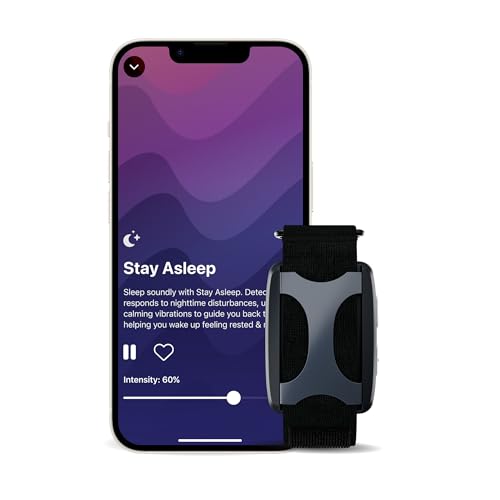
The Oura Ring and Whoop are the most accurate consumer options for sleep stages and HRV; a smartwatch (Apple Watch, Garmin) works too if you'd rather not wear a ring. Prioritize validated HRV and sleep-stage tracking over step counts, check whether it needs a subscription (Whoop does), and pick something comfortable enough to wear every night.

What Makes a Good Magnesium Supplement
Form matters more than dose: magnesium glycinate and citrate absorb well and are gentle on the stomach, while cheap magnesium oxide is poorly absorbed. A typical supplemental dose is 200–400 mg of elemental magnesium (check the label — it's usually lower than the pill weight). Take it in the evening if you're using it for sleep, and pick a third-party-tested brand.


Related Articles
Smartwatch Tool Identifies Moderate to Severe Sleep Apnea Risk
A Stanford study in the Journal of Clinical Sleep Medicine found the Samsung Galaxy Watch...
Read article RecoverySteroid Cessation Reverses Heart Wall Thickening in Weightlifters
A ten-year study found anabolic steroids cause lasting heart muscle thickening in weightlifters,...
Read article RecoveryCannabis Use Linked to Reduced Sleep Quality in Long-Term Study
A Northwestern Medicine study tracking adults over decades found cannabis use correlates with...
Read article RecoverySleep ECGs Predict Ten-Year Cardiovascular Risk in NIH Study
An NIH-backed study in SLEEP shows deep learning applied to overnight sleep-study ECGs predicts...
Read articleTired of being told your labs are “normal”?
Opt Health's energy workup goes past the standard panel — thyroid antibodies, free T3, ferritin, B12, testosterone, cortisol, inflammation — and a physician walks you through what's actually driving the fatigue.
See Opt Health's energy program →Topic updates
Get the weekly recovery roundup
Sleep, HRV, fatigue, burnout, cortisol rhythm, sleep apnea, overtraining, and stress physiology.
Understand Your Health Better
Our free assessment maps your symptoms to the most relevant guides, tools, and product recommendations.
Take the Free Assessment →Free · Takes 5 minutes · Instant results
Affiliate disclosure: The Metabolic Journal is reader-supported. Some links above are affiliate or referral links and we may earn a commission at no extra cost to you. Products are chosen on the merits; commissions never influence what we recommend. This is general information, not medical advice — talk to your clinician before acting.