Late Pregnancy Sleep Quality Linked to Infant Weight Patterns
A prospective study links poor maternal sleep in late pregnancy with lower weight in early infancy followed by higher weight at ages 1 to 2.
Late Pregnancy Sleep and Early Growth Patterns
Mothers who experience poor sleep quality during late pregnancy have infants who weigh less during their first six months but gain weight more rapidly from 12 to 24 months. Researchers published these findings in the American Journal of Preventive Medicine after tracking early childhood growth trajectories.
The analysis examined data from 645 mother-child pairs enrolled in the Maternal and Developmental Risks from Environmental and Social Stressors (MADRES) prospective pregnancy cohort in Los Angeles. The study observed the strongest associations in male infants and in babies born at full term.
Observed Weight Differences in Early Childhood
Investigators assessed maternal sleep during late pregnancy using the Jenkins Sleep Scale questionnaire. While most mothers reported mild to moderate sleep disruption, 26 percent met the criteria for poor sleep quality.
Children born to mothers reporting poor sleep showed distinct shifts in body weight during their first two years. These growth patterns occurred independently of standard infant feeding practices.
- Infants of mothers with poor sleep weighed less from birth through six months of age.
- At 12 months, children in the poor-sleep group weighed 346.7 grams (12 ounces) more than peers whose mothers slept well.
- At 17 months, the weight difference peaked at 751.5 grams (1.7 pounds).
Proposed Biological Mechanisms for Weight Differences
Metabolic programming during late gestation represents one plausible mechanism linking maternal sleep disturbances to infant growth patterns. Disruptions in maternal sleep architecture may alter fetal fat mass distribution, elevate inflammatory markers, or change neonatal lipid profiles.
Stress response pathways provide another potential biological link. Poor maternal sleep can alter systemic stress hormones, which may influence appetite regulation and metabolic set points in the developing child.
Research Limitations and Next Steps
The observational design of the MADRES cohort shows an association rather than direct causation. Sleep quality assessments relied on self-reported questionnaires rather than objective measures such as polysomnography or wearable actigraphy.
The authors recommend adding routine sleep evaluations to third-trimester prenatal care to identify at-risk pregnancies. Interventions addressing sleep disruptions during pregnancy could help lower long-term metabolic risks for both mother and child.
What to Look For in a Sleep & Recovery Tracker
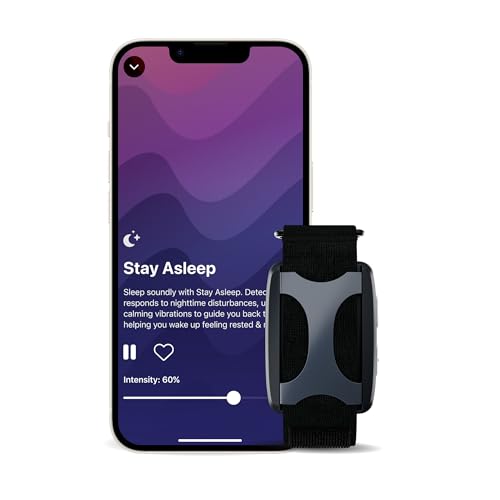
The Oura Ring and Whoop are the most accurate consumer options for sleep stages and HRV; a smartwatch (Apple Watch, Garmin) works too if you'd rather not wear a ring. Prioritize validated HRV and sleep-stage tracking over step counts, check whether it needs a subscription (Whoop does), and pick something comfortable enough to wear every night.

What Makes a Good Magnesium Supplement
Form matters more than dose: magnesium glycinate and citrate absorb well and are gentle on the stomach, while cheap magnesium oxide is poorly absorbed. A typical supplemental dose is 200–400 mg of elemental magnesium (check the label — it's usually lower than the pill weight). Take it in the evening if you're using it for sleep, and pick a third-party-tested brand.


Related Articles
Gut Microbiome and Sleep Improvement After Hydrogen Intake
A Hiroshima University trial evaluated gut bacteria and sleep changes after hydrogen...
Read article RecoveryEvening Smartphone Use Delays Teen Sleep by Over an Hour
Teens who use smartphones past 10 p.m. fall asleep 64 minutes later and lose 20 minutes of total...
Read article RecoveryUniversity of Sydney Identifies Circadian Depression Subtype
A University of Sydney study identified a circadian depression subtype in 25 percent of...
Read article RecoveryMedical Cannabis Lacks Evidence for Insomnia in New Cochrane Review
A Cochrane systematic review of nine clinical trials found insufficient evidence to determine if...
Read articleWant a clinician who takes perimenopause seriously?
Opt Health's women's program runs full hormone and thyroid panels and treats the symptoms most primary-care visits wave off — sleep, mood, energy, cycle changes, libido — with physicians trained in hormone medicine.
See Opt Health's women's program →Topic updates
Get the weekly recovery roundup
Sleep, HRV, fatigue, burnout, cortisol rhythm, sleep apnea, overtraining, and stress physiology.
Understand Your Health Better
Our free assessment maps your symptoms to the most relevant guides, tools, and product recommendations.
Take the Free Assessment →Free · Takes 5 minutes · Instant results
Affiliate disclosure: The Metabolic Journal is reader-supported. Some links above are affiliate or referral links and we may earn a commission at no extra cost to you. Products are chosen on the merits; commissions never influence what we recommend. This is general information, not medical advice — talk to your clinician before acting.