Insomnia Treatment and Depression: Four-Week Trial Results
A clinical trial links targeted sleep therapy to sustained reductions in depression symptoms and daily negative thinking.
Insomnia Treatment and Depression in the Sleep Well for Mood Trial
Targeted insomnia treatment and depression symptom relief occurred together during a structured psychological intervention, according to a clinical trial from the University of Western Australia. Researchers tested whether treating sleep disruption directly could help people recover from persistent low mood. The study enrolled 88 participants experiencing both depressive symptoms and chronic poor sleep in a four-week course of cognitive behavioral therapy for insomnia (CBT-I).
Lead author Vanika Lall and colleagues Melissa Ree and Romola Bucks published the findings in the journal Behaviour Research and Therapy. The team evaluated participants before treatment began, immediately after the four-week protocol concluded, and again at a three-month follow-up point. Participants experienced reductions in the severity of their insomnia alongside measurable improvements in their depression scores across the observation timeline.
Why Insomnia Treatment and Depression Care Intersect
Sleep disruption and depressive disorders frequently coincide, with disturbed sleep affecting up to nine in ten people diagnosed with depression. Unresolved sleep issues can lengthen depressive episodes, reduce how well patients respond to standard psychiatric treatments, and elevate the risk of future relapse. Conventional depression treatments often produce only partial improvements in sleep quality when sleep problems receive no specific focus.
The trial authors noted that unaddressed insomnia acts as an active driver of depressive illness rather than just an incidental symptom. Cognitive behavioral therapy for insomnia addresses this cycle through a combination of behavioral strategies, cognitive reframing, and sleep education. Addressing sleep directly provides an accessible entry point for patients whose low mood blunts their daily functioning.
Behavioral Changes Documented Across Follow-Up Assessments
Participants in the four-week program altered several specific habits and thinking patterns that sustain low mood. After finishing treatment, individuals spent less time engaging in repetitive negative thoughts about routine daily concerns. They also spent less time worrying specifically about sleep loss.
The intervention also led participants to increase their involvement in meaningful daytime pursuits. Individuals reported higher participation in physical and social activities that provide daily structure and personal reward. The research team noted that negative rumination and daytime inactivity fuel depression, and modifying those behaviors through CBT-I produced stable gains through the three-month assessment.
- Decreased daily rumination and worry regarding sleep quality
- Higher participation rates in social and physical routines
- Sustained symptom improvements through three months post-treatment
Clinical Context and Methodological Boundaries
These results reflect findings from an 88-person cohort evaluated over a three-month post-treatment window. The study examined a specific non-pharmacological sleep intervention delivered within a research environment. Longer monitoring periods will help clarify how long these psychological gains persist past three months without booster sessions.
Patients experiencing sleep disturbances should discuss their symptoms with a physician or licensed mental health professional rather than attempting self-directed protocols. Individuals managing persistent low mood alongside poor sleep can ask their healthcare team about evidence-based insomnia treatment and depression care options.
What to Look For in a Sleep & Recovery Tracker
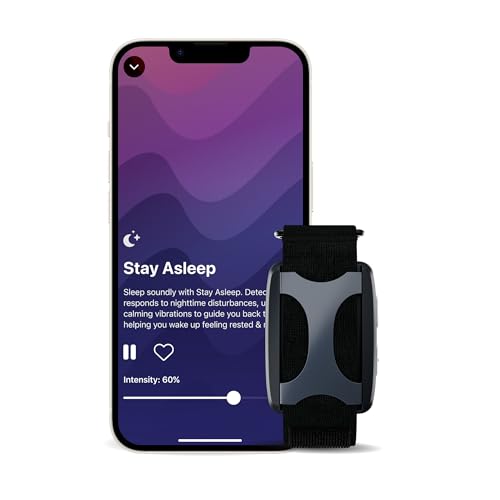
The Oura Ring and Whoop are the most accurate consumer options for sleep stages and HRV; a smartwatch (Apple Watch, Garmin) works too if you'd rather not wear a ring. Prioritize validated HRV and sleep-stage tracking over step counts, check whether it needs a subscription (Whoop does), and pick something comfortable enough to wear every night.

What Makes a Good Magnesium Supplement
Form matters more than dose: magnesium glycinate and citrate absorb well and are gentle on the stomach, while cheap magnesium oxide is poorly absorbed. A typical supplemental dose is 200–400 mg of elemental magnesium (check the label — it's usually lower than the pill weight). Take it in the evening if you're using it for sleep, and pick a third-party-tested brand.


Related Articles
Gut Microbiome and Sleep Improvement After Hydrogen Intake
A Hiroshima University trial evaluated gut bacteria and sleep changes after hydrogen...
Read article RecoveryEvening Smartphone Use Delays Teen Sleep by Over an Hour
Teens who use smartphones past 10 p.m. fall asleep 64 minutes later and lose 20 minutes of total...
Read article RecoveryUniversity of Sydney Identifies Circadian Depression Subtype
A University of Sydney study identified a circadian depression subtype in 25 percent of...
Read article RecoveryMedical Cannabis Lacks Evidence for Insomnia in New Cochrane Review
A Cochrane systematic review of nine clinical trials found insufficient evidence to determine if...
Read articleWant help fixing your sleep for real?
Opt Health treats sleep as a measurable system — cortisol rhythm, thyroid, testosterone, inflammation — and works the biology behind bad sleep with a physician, not a sleep-hygiene checklist.
See Opt Health's sleep program →Topic updates
Get the weekly recovery roundup
Sleep, HRV, fatigue, burnout, cortisol rhythm, sleep apnea, overtraining, and stress physiology.
Understand Your Health Better
Our free assessment maps your symptoms to the most relevant guides, tools, and product recommendations.
Take the Free Assessment →Free · Takes 5 minutes · Instant results
Affiliate disclosure: The Metabolic Journal is reader-supported. Some links above are affiliate or referral links and we may earn a commission at no extra cost to you. Products are chosen on the merits; commissions never influence what we recommend. This is general information, not medical advice — talk to your clinician before acting.