Insomnia Linked to Higher Risk of Stroke in Systematic Review
A systematic review spanning 1.3 million participants links insomnia to increased stroke risk and hospital admissions.
Findings from the Umbrella Systematic Review
People with insomnia face a 26% higher risk of stroke compared to people without sleep disturbances, according to a systematic review published in Sleep Medicine Reviews.
Researchers led by Luca Vignatelli at the IRCCS Istituto delle Scienze Neurologiche di Bologna reviewed evidence across seven health outcomes.
The team searched the MEDLINE and EMBASE databases through August 2025, synthesizing previous systematic reviews alongside new primary analyses encompassing more than 1.3 million participants.
Stroke Risk and Hospital Admission Data
The meta-analysis established a clear statistical link between chronic sleep disruption, stroke incidence, and acute hospital care.
For stroke outcomes, researchers identified nine eligible studies and included six in the final quantitative meta-analysis.
The analysis determined that individuals with insomnia had a 26% higher risk of stroke, with a Hazard Ratio (HR) of 1.26 and a 95% Confidence Interval (CI) between 1.05 and 1.53.
A secondary analysis of three hospitalization studies revealed that insomnia was associated with 28% higher odds of hospital admission for any reason, showing an Odds Ratio (OR) of 1.28 (95% CI 1.14 to 1.43).
Broader Cognitive and Mental Health Outcomes
Insomnia correlates with several negative brain and psychological conditions beyond cardiovascular complications.
The researchers found that insomnia was associated with depression and suicidal behaviors across the analyzed literature.
The review also identified an association with all-cause dementia, with the strongest consistency observed for Alzheimer's disease, while findings for vascular dementia remained mixed.
Study Limitations and Observational Design
The review identifies statistical associations and does not establish that insomnia directly causes stroke, dementia, or hospitalization.
Differences in how individual studies defined insomnia created variation in effect sizes across the included cohorts.
The authors also noted that most primary studies had limited tracking of sleep medication use among participants, leaving the influence of pharmaceutical treatments unaddressed.
Clinical Context for Sleep and Recovery
Evaluating sleep duration and quality offers clinicians a visible marker of underlying brain and vascular health.
Previous meta-analytic data indicates that insomnia meeting diagnostic criteria affects roughly 22% of the general population.
Individuals experiencing persistent trouble falling or staying asleep should discuss sleep hygiene protocols and evidence-based management with a physician.
What to Look For in a Sleep & Recovery Tracker
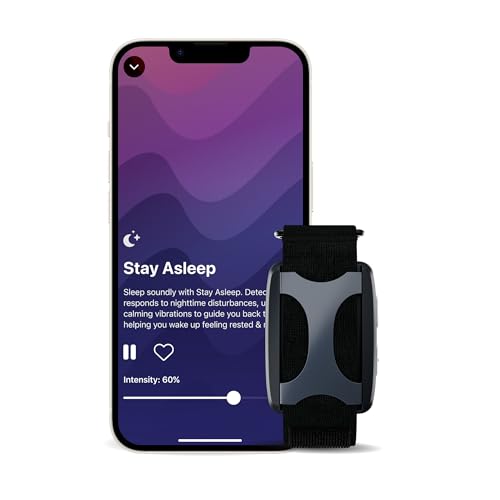
The Oura Ring and Whoop are the most accurate consumer options for sleep stages and HRV; a smartwatch (Apple Watch, Garmin) works too if you'd rather not wear a ring. Prioritize validated HRV and sleep-stage tracking over step counts, check whether it needs a subscription (Whoop does), and pick something comfortable enough to wear every night.

What Makes a Good Magnesium Supplement
Form matters more than dose: magnesium glycinate and citrate absorb well and are gentle on the stomach, while cheap magnesium oxide is poorly absorbed. A typical supplemental dose is 200–400 mg of elemental magnesium (check the label — it's usually lower than the pill weight). Take it in the evening if you're using it for sleep, and pick a third-party-tested brand.


Related Articles
Gut Microbiome and Sleep Improvement After Hydrogen Intake
A Hiroshima University trial evaluated gut bacteria and sleep changes after hydrogen...
Read article RecoveryEvening Smartphone Use Delays Teen Sleep by Over an Hour
Teens who use smartphones past 10 p.m. fall asleep 64 minutes later and lose 20 minutes of total...
Read article RecoveryUniversity of Sydney Identifies Circadian Depression Subtype
A University of Sydney study identified a circadian depression subtype in 25 percent of...
Read article RecoveryMedical Cannabis Lacks Evidence for Insomnia in New Cochrane Review
A Cochrane systematic review of nine clinical trials found insufficient evidence to determine if...
Read articleWant help fixing your sleep for real?
Opt Health treats sleep as a measurable system — cortisol rhythm, thyroid, testosterone, inflammation — and works the biology behind bad sleep with a physician, not a sleep-hygiene checklist.
See Opt Health's sleep program →Topic updates
Get the weekly recovery roundup
Sleep, HRV, fatigue, burnout, cortisol rhythm, sleep apnea, overtraining, and stress physiology.
Understand Your Health Better
Our free assessment maps your symptoms to the most relevant guides, tools, and product recommendations.
Take the Free Assessment →Free · Takes 5 minutes · Instant results
Affiliate disclosure: The Metabolic Journal is reader-supported. Some links above are affiliate or referral links and we may earn a commission at no extra cost to you. Products are chosen on the merits; commissions never influence what we recommend. This is general information, not medical advice — talk to your clinician before acting.