Insomnia Linked to Disrupted Fear Extinction in Skin Sensor Study
A computational model of sweat gland activity reveals how chronic sleep loss impairs the body's ability to unlearn perceived threats.
New Computational Model Tracks Autonomic Arousal
A study published in the journal PLOS Mental Health reports that adults with insomnia show altered physiological arousal when learning that a threat is gone. Researchers from the New York University (NYU) Tandon School of Engineering and Harvard Medical School analyzed skin conductance measurements from 24 adults with insomnia and 24 good sleepers.
The team designed two statistical models to estimate stress-related arousal from sweat gland microfluctuations on the palm. One model measured isolated stress spikes alone, while the second model evaluated both spikes and continuous tonic background levels.
Only the model incorporating the continuous background signal detected a statistically significant difference between the two groups during a standard fear conditioning and extinction task.
Safety Learning Fails to Lower Physiological Stress in Insomnia
In the experiment, participants viewed a visual stimulus paired with a mild shock during a conditioning phase, followed by an extinction phase where the shock was removed. Good sleepers showed a slight decrease in their average high-arousal index once the shock stopped occurring.
Participants diagnosed with insomnia showed an opposing pattern, recording an increase in average arousal during the extinction phase. Because their physiological arousal climbed after the threat was removed, the authors concluded that these individuals experienced difficulty acquiring and stabilizing a new safety memory.
Other observed trends, such as lower average arousal during initial conditioning and higher arousal during memory recall on the second day, followed a similar trajectory but did not reach statistical significance.
Implications for Autonomic Regulation and Recovery
Insomnia disorder affects an estimated 10% of the population and is clinically categorized as a state of chronic hyperarousal involving autonomic dysregulation. Normal sleep supports the consolidation of fear extinction, which forms an inhibitory safety memory designed to override earlier fear associations.
The authors noted that continuous hyperarousal can actively oppose the physiological recognition that an environment is safe. Co-author Dr. Edward Pace-Schott indicated that this mechanism aligns with previous findings from functional magnetic resonance imaging (fMRI) studies.
Disrupted extinction recall may help explain why exposure-based behavioral treatments often show lower success rates in individuals with chronic sleep deficits compared to well-rested populations.
Study Limitations and Clinical Scope
The experimental cohort was restricted to an initial sample of 48 total participants, divided evenly between adults with insomnia and healthy sleepers. Larger clinical trials are necessary to verify whether these computational skin conductance profiles hold across diverse demographic groups.
The findings represent experimental laboratory data regarding conditioned visual stimuli and electric shocks rather than clinical treatment outcomes. Patients managing chronic sleep disruption should discuss persistent hyperarousal symptoms directly with their personal healthcare provider.
What to Look For in a Sleep & Recovery Tracker
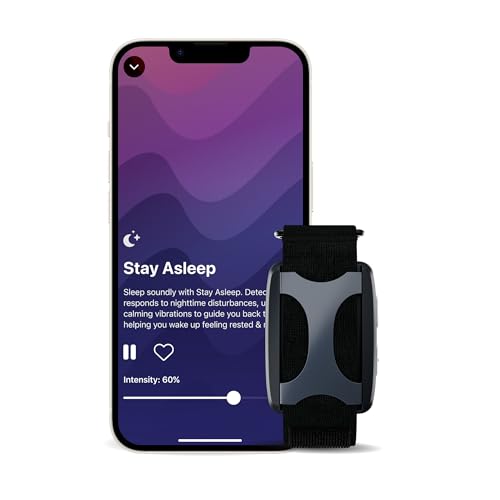
The Oura Ring and Whoop are the most accurate consumer options for sleep stages and HRV; a smartwatch (Apple Watch, Garmin) works too if you'd rather not wear a ring. Prioritize validated HRV and sleep-stage tracking over step counts, check whether it needs a subscription (Whoop does), and pick something comfortable enough to wear every night.

What Makes a Good Magnesium Supplement
Form matters more than dose: magnesium glycinate and citrate absorb well and are gentle on the stomach, while cheap magnesium oxide is poorly absorbed. A typical supplemental dose is 200–400 mg of elemental magnesium (check the label — it's usually lower than the pill weight). Take it in the evening if you're using it for sleep, and pick a third-party-tested brand.


Related Articles
Gut Microbiome and Sleep Improvement After Hydrogen Intake
A Hiroshima University trial evaluated gut bacteria and sleep changes after hydrogen...
Read article RecoveryEvening Smartphone Use Delays Teen Sleep by Over an Hour
Teens who use smartphones past 10 p.m. fall asleep 64 minutes later and lose 20 minutes of total...
Read article RecoveryUniversity of Sydney Identifies Circadian Depression Subtype
A University of Sydney study identified a circadian depression subtype in 25 percent of...
Read article RecoveryMedical Cannabis Lacks Evidence for Insomnia in New Cochrane Review
A Cochrane systematic review of nine clinical trials found insufficient evidence to determine if...
Read articleSkin reflects what the panel shows
Opt Health treats skin as an output of hormones, inflammation and nutrient status rather than a surface problem to be creamed over.
Read Opt Health on skin health →Topic updates
Get the weekly recovery roundup
Sleep, HRV, fatigue, burnout, cortisol rhythm, sleep apnea, overtraining, and stress physiology.
Understand Your Health Better
Our free assessment maps your symptoms to the most relevant guides, tools, and product recommendations.
Take the Free Assessment →Free · Takes 5 minutes · Instant results
Affiliate disclosure: The Metabolic Journal is reader-supported. Some links above are affiliate or referral links and we may earn a commission at no extra cost to you. Products are chosen on the merits; commissions never influence what we recommend. This is general information, not medical advice — talk to your clinician before acting.