Is Chronic Fatigue Syndrome a Disability?
Medically reviewed by Medical Advisory Board Last reviewed 2026-07-01
How ME/CFS is treated under US and UK disability and accommodation frameworks, and how it's coded medically.
Chronic fatigue syndrome can qualify as a disability under SSDI, ADA, and UK PIP rules, but recognition depends on documentation.
This article is for informational purposes only and is not medical advice. Consult a physician for medical guidance.
Chronic fatigue syndrome (ME/CFS) can legally qualify as a disability, but in any individual case, that depends on the benefits system involved and how well the condition's functional impact is documented. In the US, ME/CFS can support a Social Security Disability Insurance (SSDI) claim or an Americans with Disabilities Act (ADA) workplace accommodation. However, SSDI approval is notoriously difficult because the condition lacks a single confirmatory lab test. In the UK, ME/CFS can be assessed under Personal Independence Payment (PIP) and Universal Credit rules, which focus on functional limitations rather than diagnosis alone.
Partner · Opt Health
Tired of being told your labs are “normal”?
Opt Health's energy workup goes past the standard panel — thyroid antibodies, free T3, ferritin, B12, testosterone, cortisol, inflammation — and a physician walks you through what's actually driving the fatigue.
See Opt Health's energy program →This page provides a general educational overview and is not legal advice. Benefits rules change, and outcomes are highly individual, so anyone pursuing a claim should work with a knowledgeable caseworker, disability attorney, or benefits advisor who is familiar with their jurisdiction.
Can You Get SSDI for Chronic Fatigue Syndrome in the US?
Yes, but approval is difficult and often requires extensive documentation. The Social Security Administration (SSA) does not have a standalone "chronic fatigue syndrome" listing in its Listing of Impairments (the "Blue Book"), so most ME/CFS claims are evaluated under a medical-vocational allowance — meaning the SSA looks at residual functional capacity (what work-related activities the claimant can still reliably perform) rather than matching symptoms to a specific listed impairment. This is a meaningfully harder path than qualifying under a listed condition with objective diagnostic criteria.
The core challenge is that ME/CFS is a diagnosis of exclusion: there is no blood test, scan, or biomarker that definitively confirms it, so claims lean heavily on longitudinal medical records, documented post-exertional malaise, functional testing, and consistent treatment history. The SSA has issued specific guidance (SSR 14-1p) acknowledging ME/CFS as a medically determinable impairment when properly documented, which helps establish that the condition is real and can be disabling, but it does not guarantee approval. Claimants are frequently denied on first application and win only on appeal with stronger medical evidence — a pattern common to many conditions that lack objective diagnostic markers.
ADA Workplace Accommodations for ME/CFS
Separately from SSDI, chronic fatigue syndrome can qualify as a disability under the Americans with Disabilities Act (ADA) for purposes of workplace accommodation, even for someone who is not seeking or receiving SSDI. The ADA defines disability broadly as a physical or mental impairment that substantially limits one or more major life activities, and courts and the EEOC have recognized ME/CFS as capable of meeting that standard when it significantly limits activities like concentrating, standing, or working a full schedule.
In practice, ADA accommodation requests for ME/CFS often include flexible or reduced hours, remote-work arrangements, rest breaks, modified deadlines, or a quieter workspace to reduce sensory load. An employee typically needs supporting documentation from a treating physician describing functional limitations (not necessarily a specific diagnosis code), and the employer and employee go through an "interactive process" to identify a reasonable accommodation. This is a lower bar than SSDI in some respects, since it does not require proving inability to work at all — only that a specific limitation needs addressing.
How ME/CFS Is Assessed in the UK: PIP and Universal Credit
In the UK, ME/CFS does not have its own dedicated benefit, but it is assessed within the general disability benefits system. Personal Independence Payment (PIP) is assessed through a points-based functional test covering daily living and mobility activities — for example, whether a person can prepare food, manage medication, wash and dress, or move around — rather than by diagnosis name. Someone with severe ME/CFS and significant post-exertional malaise, cognitive impairment, or mobility limitations can score enough points to qualify, while someone with milder symptoms may not, even with the same diagnosis.
Universal Credit incorporates a related Work Capability Assessment when a claimant reports a health condition limiting their ability to work, which similarly focuses on functional capability rather than diagnosis alone. As with SSDI, the practical hurdle for ME/CFS claimants in the UK system is providing enough consistent, detailed medical evidence — often including specialist letters, symptom diaries, and evidence of the fluctuating and cumulative nature of post-exertional malaise — to demonstrate the functional impact assessors are looking for.
R53.82 vs G93.32: Why the Diagnosis Code Matters
Medical coding affects how a condition is documented in health records and, indirectly, how disability evidence is framed. Two ICD-10-CM codes are relevant here and are sometimes used inconsistently:
- R53.82 (Chronic fatigue, unspecified) is a symptom code. It documents chronic fatigue as a presenting complaint without asserting a specific underlying diagnosis, and it's sometimes used when a full ME/CFS diagnostic workup hasn't been completed or when a clinician is being deliberately non-specific.
- G93.32 (Myalgic encephalomyelitis/chronic fatigue syndrome) is a specific diagnostic code that reflects an actual ME/CFS diagnosis meeting recognized clinical criteria (such as those described in Institute of Medicine and CDC frameworks), including features like post-exertional malaise.
For disability purposes, records coded as G93.32 generally carry more diagnostic weight than R53.82, because they reflect that a clinician applied specific diagnostic criteria rather than simply noting a symptom. Patients pursuing SSDI, ADA accommodations, or UK benefits are often well served by discussing with their physician whether their chart reflects the more specific G93.32 code, where clinically appropriate, rather than the general fatigue symptom code. See our chronic fatigue syndrome overview for more on diagnostic criteria.
What Documentation Actually Helps a Disability Claim
Across US and UK systems alike, the common thread is that ME/CFS disability determinations hinge on documented functional impact over time, not the diagnosis label by itself. Evidence that tends to carry weight includes: a specific diagnosis using recognized criteria (ideally reflected in coding, such as G93.32 in the US), longitudinal treatment records spanning months, explicit documentation of post-exertional malaise and how long recovery takes after exertion, functional capacity evaluations, and statements from the claimant or family describing day-to-day limitations. A single office visit rarely captures a fluctuating condition well, which is why ongoing, consistent care with the same physician tends to produce stronger disability evidence than sporadic visits.
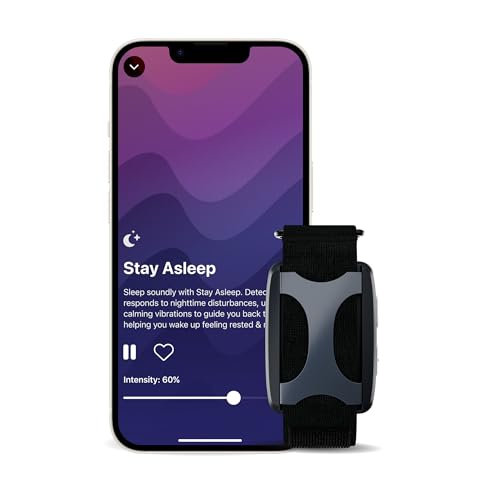
What to Look For in a Sleep & Recovery Tracker
The Oura Ring and Whoop are the most accurate consumer options for sleep stages and HRV; a smartwatch (Apple Watch, Garmin) works too if you'd rather not wear a ring. Prioritize validated HRV and sleep-stage tracking over step counts, check whether it needs a subscription (Whoop does), and pick something comfortable enough to wear every night.

What Makes a Good Magnesium Supplement
Form matters more than dose: magnesium glycinate and citrate absorb well and are gentle on the stomach, while cheap magnesium oxide is poorly absorbed. A typical supplemental dose is 200–400 mg of elemental magnesium (check the label — it's usually lower than the pill weight). Take it in the evening if you're using it for sleep, and pick a third-party-tested brand.


Frequently Asked Questions
Is it hard to get approved for SSDI with chronic fatigue syndrome?
Yes, it is considered one of the more difficult conditions to win SSDI approval for, largely because ME/CFS has no single confirmatory lab test and isn't a standalone listed impairment. Most claimants are approved, if at all, through a medical-vocational allowance based on residual functional capacity, and many are denied initially and succeed only on appeal with stronger longitudinal medical evidence.
Can I get workplace accommodations for chronic fatigue syndrome without applying for disability benefits?
Yes. ADA workplace accommodations are a separate process from SSDI and don't require you to be receiving or even applying for disability benefits. You typically need a physician's documentation of your functional limitations, and then you and your employer go through an interactive process to identify a reasonable accommodation, such as flexible hours or remote work.
Does having the G93.32 diagnosis code guarantee I'll qualify for disability benefits?
No. The G93.32 code reflects that a clinician applied recognized ME/CFS diagnostic criteria, which generally strengthens a claim compared to the nonspecific R53.82 fatigue code, but disability determinations still depend on documented functional impact, not the code alone.
What's the difference between PIP and Universal Credit for someone with ME/CFS in the UK?
PIP is a non-means-tested benefit assessed through a points-based test of daily living and mobility function, and it can be received whether or not you work. Universal Credit's Work Capability Assessment specifically evaluates ability to work or prepare for work, and is relevant if you're claiming Universal Credit due to a health condition limiting employment.
Do I need a specialist to diagnose ME/CFS for a disability claim, or can my primary care doctor do it?
A primary care physician can diagnose and document ME/CFS if they apply recognized diagnostic criteria and rule out other explanations for the fatigue, though specialist input can strengthen a disability claim, particularly for complex or disputed cases. What matters most for benefits purposes is thorough, consistent documentation of the diagnosis and its functional impact over time.
Topic updates
Get the weekly recovery roundup
Sleep, HRV, fatigue, burnout, cortisol rhythm, sleep apnea, overtraining, and stress physiology.
Want your energy handled by a physician who works from your labs? See how Opt Health does it →
Check Where You Stand
Take our free health assessment to understand your metabolic, hormonal, and recovery risk factors — and get personalized recommendations.
Take the Free Assessment →Free · Takes 5 minutes · Instant results
Related Reading
-
Chronic Fatigue Syndrome Va Disability Rating
How the VA rates ME/CFS disability claims — presumptive conditions and evidence needed.
-
Chronic Fatigue Syndrome (ME/CFS): What We Know
ME/CFS: diagnostic criteria, current research, and management.
-
Chronic Fatigue Syndrome Specialty Clinics
How ME/CFS specialty clinics and research centers work, and how referrals happen.
See more related reading
-
Chronic Fatigue: Causes Beyond Just Sleep
Causes of persistent fatigue beyond sleep — iron, thyroid, inflammation.
-
Chronic Fatigue vs Fibromyalgia vs Narcolepsy
ME/CFS vs fibromyalgia vs narcolepsy vs depression — a differential-diagnosis comparison.
-
Sleep Apnea VA Disability: How Claims Generally Work for Veterans
How sleep apnea VA disability claims generally work for veterans — education only, not legal advice.
Affiliate disclosure: The Metabolic Journal is reader-supported. Some links above are affiliate or referral links and we may earn a commission at no extra cost to you. As an Amazon Associate we earn from qualifying purchases. Products are chosen on the merits; commissions never influence what we recommend. This is general information, not medical advice — talk to your clinician before acting.