HRV Tracker Devices Compared: Apple Watch to Polar H10
Medically reviewed by Medical Advisory Board Last reviewed 2026-09-17
Compare Apple Watch, Oura, WHOOP, Garmin, Fitbit, and Polar H10 on how each measures HRV, how accurate it is, and which fits your goals.
HRV-capable wearables fall into two categories: wrist or ring-based optical sensors (Apple Watch, Oura Ring, WHOOP, Garmin, Fitbit) built for continuous or overnight tracking, and chest-strap ECG sensors (Polar H10) built for precision. This guide compares measurement method, timing, accuracy tier, and price tier, then matches each device to a use case: casual wellness tracking, athletic training, or research-grade interest.
Heart rate variability (HRV) wearables track tiny differences in timing between heartbeats to estimate how recovered your body is. Six devices dominate the HRV tracking market: the Apple Watch, Oura Ring, WHOOP, Garmin, Fitbit, and the Polar H10 chest strap. Each differs in how it measures HRV, when it takes readings, and how closely its numbers track medical-grade ECG. This guide compares all six side by side to help you choose the right one for your goals. For more on the physiology behind the number itself, see our HRV biomarker guide. These are wellness and training tools, not diagnostic medical devices. They don't replace a clinical ECG or a doctor's evaluation.
Partner · Opt Health
Want help fixing your sleep for real?
Opt Health treats sleep as a measurable system — cortisol rhythm, thyroid, testosterone, inflammation — and works the biology behind bad sleep with a physician, not a sleep-hygiene checklist.
See Opt Health's sleep program →HRV Tracker Comparison Table
Six mainstream devices cover almost every HRV tracking use case, from casual wellness check-ins to research-style sessions. The table below compares how each measures HRV, when it takes a reading, its general accuracy tier, and its typical price tier. Pricing changes often, so treat the price tier as a rough guide, not an exact figure.
| Device | HRV Measurement Method | Measurement Timing | Accuracy Tier | Price Tier |
|---|---|---|---|---|
| Apple Watch | Optical (PPG) wrist sensor | Background readings through the day, plus dedicated sessions in the Breathe/Reflect app | Good for a wrist sensor; reasonable agreement with ECG at rest in validation research | Premium |
| Oura Ring | Optical (PPG) finger sensor | Continuous overnight, summarized as one nightly average | Very good; nightly averages have shown strong agreement with ECG in independent validation studies | Premium, plus a monthly membership |
| WHOOP | Optical (PPG) wrist sensor (strapless band, no screen) | Continuous overnight during sleep, summarized as one nightly reading | Good; built specifically around overnight sleep measurement | Subscription-based; no separate hardware purchase |
| Garmin | Optical (PPG) wrist sensor | Overnight, averaged in short windows and rolled into a 7-day HRV status | Good for trend tracking; less independently validated head-to-head than Oura or Polar | Mid-range to premium, depending on model |
| Fitbit | Optical (PPG) wrist sensor | Overnight only, during stretches of motionless sleep longer than 3 hours | Limited; wrist PPG isn't built for the millisecond precision true HRV analysis needs | Budget to mid-range |
| Polar H10 | Chest-strap ECG | Spot-check sessions you start yourself, or continuous if paired with a compatible app | Highest; used as the reference device in most published HRV validation studies | Budget, relative to smartwatches |
Accuracy Matters: Chest Strap vs. Wrist Sensors
Chest-strap ECG sensors are generally more accurate than wrist-based optical sensors for HRV specifically. HRV depends on timing the gap between heartbeats down to the millisecond, and electrocardiography (ECG) reads the heart's electrical signal directly. Optical sensors, known as photoplethysmography (PPG), estimate each heartbeat indirectly from blood-flow changes under the skin, which is more prone to motion and signal noise. That's why the Polar H10 shows up as the benchmark device in most published HRV validation studies. People who want research-grade analysis often pair a chest-strap or armband sensor with an app like Kubios, which is built specifically for detailed HRV data review.
The gap between ECG and PPG narrows when a wrist or ring device measures overnight during motionless sleep and reports a full-night average instead of a single moment. Oura Ring's nightly HRV average, for example, has shown strong agreement with ECG in independent research. A single instantaneous PPG reading taken during movement or activity is far less reliable, on any wrist device.
Blood-Oxygen Sensing in Apple Watch and Oura Ring
A blood-oxygen (SpO2) sensor measures peripheral oxygen saturation, which is the percentage of oxygen carried in circulating blood. This metric tracks oxygen delivery instead of heartbeat intervals measured by heart rate variability. Apple Watch and Oura Ring feature built-in SpO2 sensors, WHOOP and select Garmin and Fitbit devices support some form of oxygen tracking, though the mode and which model years include it vary enough that it's worth checking a specific model's own spec page rather than assuming every version has it, and the electrocardiogram-based Polar H10 cannot track blood oxygen at all.
The Apple Watch uses red, infrared, and green LEDs at roughly 660, 850, and 525 nanometers inside its back crystal sensor. In clinical validation research archived on PubMed Central, about 95 percent of Apple Watch readings fell within 4 to 6 percent of values from a clinical pulse oximeter. According to Apple Support, the device captures manual spot checks and quiet background readings instead of streaming continuous overnight data.
In the United States, a patent dispute temporarily removed the Blood Oxygen app from newly sold Apple Watch Series 9, Series 10, and Ultra 2 units, leaving international models unaffected. Apple restored the feature on August 14, 2025. Following a US Customs ruling reported by Apple Newsroom, the redesigned software on iOS 18.6.1 and watchOS 11.6.1 measures data on the watch crystal, calculates percentages on the paired iPhone, and displays values in the iPhone Health app's Respiratory section.
The Oura Ring monitors blood oxygen exclusively during sleep sessions lasting over 3 hours. As detailed by Oura Support, red and infrared LEDs on both sides of the finger pulse about 50 times per second to measure reflected light off circulating blood. Oura reports a single nightly Average Blood Oxygen percentage and a separate Breathing Regularity metric, calculating both from the night's longest sleep period when rest is broken across multiple sessions.
A design report from Oura notes that digital arteries in the finger sit closer to the skin surface than wrist arteries, producing a stronger pulse signal with less interference from bone and tendons. That finger placement limits Oura to overnight sleep windows, whereas Apple Watch enables manual daytime spot checks and background readings at the wrist. Neither device is an FDA-cleared diagnostic pulse oximeter, so anyone who observes persistently low or unusual readings should consult a clinician for evaluation with medical-grade equipment.
Which HRV Tracker Fits Your Goal
The right HRV tracker depends on why you're tracking it, not which device has the most features.
For casual wellness tracking, Apple Watch or Fitbit are reasonable starting points. Both already sit on your wrist for other reasons — notifications, steps, workouts — so HRV becomes one more data point you check without extra effort. Accuracy is good enough to spot broad trends, even if it isn't lab-grade.
For athletic training, Oura Ring, WHOOP, and Garmin are built around this use case. All three roll HRV into a daily readiness or recovery score meant to guide training load, and their continuous overnight measurement gives a fuller picture than a single spot check. If you're already in the Samsung ecosystem, the Samsung Galaxy Watch measures HRV in a similar way, though through short guided stress sessions rather than continuous overnight tracking.
For research-grade or clinical-style interest, the Polar H10 chest strap paired with an analysis app like Kubios is the closest a consumer can get to lab-quality HRV data outside a clinic. Some people use a dedicated ear-clip pulse sensor for the same reason; it applies the same optical principle as a wrist wearable but reads from the ear instead. Either approach trades all-day convenience for measurement precision. Whatever device you choose, treat HRV as one input among several — weigh it alongside how you feel and how you slept rather than reading the number in isolation.
The Bottom Line on HRV Trackers
There's no single best HRV tracker — the best one is the one that fits how you'll actually use it. A chest-strap ECG sensor like the Polar H10 gives the most accurate individual readings, which matters for research-style tracking or serious athletic training. A ring or watch that measures continuously overnight, like Oura, WHOOP, or Garmin, trades some precision for convenience and a fuller nightly picture. A general smartwatch like Apple Watch or Fitbit is the simplest entry point if HRV is one of several things you're casually tracking. If your numbers come in lower than you'd like, our low HRV guide covers what that can mean and what to do next.
What to Look For in a Sleep & Recovery Tracker
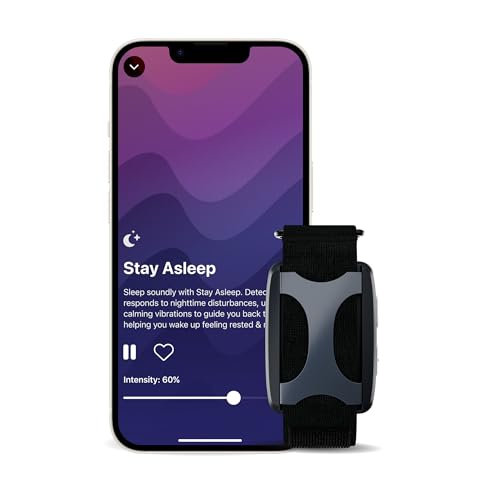
The Oura Ring and Whoop are the most accurate consumer options for sleep stages and HRV; a smartwatch (Apple Watch, Garmin) works too if you'd rather not wear a ring. Prioritize validated HRV and sleep-stage tracking over step counts, check whether it needs a subscription (Whoop does), and pick something comfortable enough to wear every night.

What Makes a Good Magnesium Supplement
Form matters more than dose: magnesium glycinate and citrate absorb well and are gentle on the stomach, while cheap magnesium oxide is poorly absorbed. A typical supplemental dose is 200–400 mg of elemental magnesium (check the label — it's usually lower than the pill weight). Take it in the evening if you're using it for sleep, and pick a third-party-tested brand.


Frequently Asked Questions
Which wearable has the most accurate HRV?
The Polar H10 chest strap is generally considered the most accurate consumer HRV device because it uses ECG, the same electrical-signal method used in clinical settings. It's the device most often used as the reference standard in published HRV validation research. Among wrist and ring devices, Oura Ring's nightly average has shown particularly strong agreement with ECG.
Do I need a chest strap for accurate HRV?
Not necessarily, but it depends on your goal. For casual trend tracking, a wrist or ring device that measures overnight is usually good enough. For research-grade precision or serious training decisions, a chest-strap ECG sensor like the Polar H10 gives more reliable individual readings, particularly for a single spot-check session rather than an overnight average.
Can Apple Watch measure HRV continuously overnight?
Apple Watch collects background HRV readings intermittently through the day and during sleep rather than one continuous overnight stream. It also lets you take a dedicated reading through the Breathe or Reflect app. This differs from devices like Oura Ring and WHOOP, which are built specifically to summarize a full night of sleep into one HRV average.
What is a good HRV tracker for beginners?
A smartwatch you'll already wear daily, such as Apple Watch or Fitbit, is a practical starting point for beginners. It requires no extra habit change and gives you enough data to spot trends over weeks. You can always add a dedicated device like Oura Ring, WHOOP, or a Polar H10 chest strap later if you want more precision or a training-focused readiness score.
Do Apple Watch and Oura Ring also measure blood oxygen (SpO2)?
Yes, both include a blood-oxygen sensor, but they work differently. Apple Watch takes on-demand spot checks plus background readings during low movement, while Oura Ring measures only during sleep sessions longer than 3 hours and reports one nightly average. This is a separate sensor and metric from the HRV tracking compared elsewhere on this page. WHOOP and some Garmin and Fitbit models also track blood oxygen in some form, while the Polar H10 chest strap, which has no optical sensor, does not.
What does the Kubios app do?
Kubios is an HRV analysis app used alongside a compatible sensor, most often the Polar H10 chest strap, to produce detailed, research-style HRV metrics. It's popular with researchers, coaches, and biohackers who want more depth than a smartwatch's built-in readiness score. It is not itself a sensor — it processes data captured by a separate chest strap or armband device.
Topic updates
Get the weekly lab marker roundup
Blood test interpretation, optimal ranges, fasting insulin, A1C, thyroid panels, testosterone, cortisol, and nutrient markers.
Want your sleep handled by a physician who works from your labs? See how Opt Health does it →
Check Where You Stand
Take our free health assessment to understand your metabolic, hormonal, and recovery risk factors — and get personalized recommendations.
Take the Free Assessment →Free · Takes 5 minutes · Instant results
Related Comparisons
-
Low HRV: What It Means and How to Improve It
What low HRV means and how to improve autonomic recovery.
Affiliate disclosure: The Metabolic Journal is reader-supported. Some links above are affiliate or referral links and we may earn a commission at no extra cost to you. As an Amazon Associate we earn from qualifying purchases. Products are chosen on the merits; commissions never influence what we recommend. This is general information, not medical advice — talk to your clinician before acting.