SNAP Drug Put Mouse Hearts Into a Deep Metabolic Sleep
A Nature Communications study reports a snail-inspired molecule that reduced injury in mouse hearts during ischemia and reperfusion modeling.
What Happened
University of Alberta researchers reported a drug candidate called SNAP (Snail Activator of PHLPP1) that aims to mimic aspects of hibernation biology in non-hibernating animals.
The work was published in Nature Communications and led by Evangelos Michelakis, who directs the Cardiovascular Research Institute (CVRI) at the University of Alberta.
The team describes SNAP as a lab-made version of a natural hibernation molecule found in snails, designed to place organs into a “deep metabolic sleep.”
What The Evidence Shows In This Study
The evidence described in the source comes from modeling the process in mouse hearts, not in humans.
In these mouse-heart experiments, the team reports that SNAP “temporarily manages how cells consume oxygen,” which the researchers say shielded tissues from stress linked to ischemia (lack of blood flow) and reperfusion (blood flow returning).
The researchers report that SNAP prevented injury and preserved heart function in the mouse-heart model, and they describe mechanisms that include “metabolic rewiring and autophagy in mice.”
- Study type: animal research (mouse-heart modeling)
- Reported effect in this model: prevented injury and preserved heart function during ischemia and reperfusion stress
- Proposed biology: temporary changes in oxygen consumption; metabolic rewiring and autophagy (as described in the paper title)
Why This Matters For Organ Preservation And Recovery
The authors frame ischemia and reperfusion injury as a key vulnerability in humans, compared with the natural resistance seen in hibernating animals.
They suggest SNAP could help protect transplant organs during the period between donor and recipient, when organs can be stressed during transport.
The researchers also point to potential relevance for people having a heart attack who undergo procedures to open blocked vessels, where ischemia and reperfusion injury can also be part of the problem.
Practical Context For Metabolic Health Readers
For readers focused on metabolic health and recovery, the main idea in this report is that organ and tissue stress can be shaped by how cells handle oxygen use during low-blood-flow states and the sudden return of flow.
The study’s framing connects “deep metabolic sleep” with protection from stress and with cellular pathways linked to aging biology, although these points are discussed as possible future directions rather than established clinical outcomes.
Co-author Jiyuan Piao is quoted saying that “SNAP decreases senescence in stressed cells,” which the team links to the observation that hibernating animals show slower aging rates.
Limitations And What To Watch Next
This report describes findings from mouse-heart modeling, so it does not establish that SNAP preserves human organs or improves outcomes in human transplantation or heart attack care.
The article lists several possible future applications, including organ transplantation, heart attack care, targeting tumors, and longevity medicine, but those are presented as potential implications rather than tested clinical uses.
The next meaningful steps would be further preclinical validation and human research to test safety and effectiveness in real-world organ-preservation and acute-care settings.
What to Look For in a Sleep & Recovery Tracker
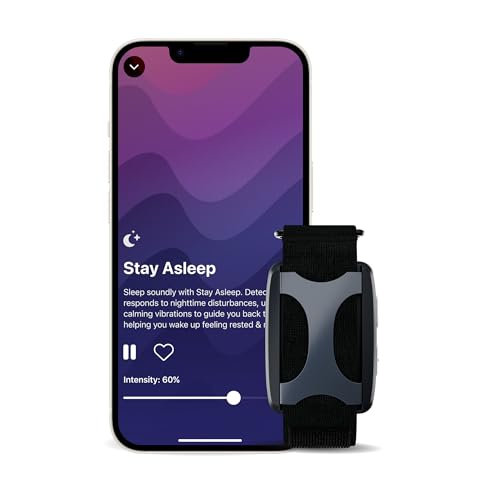
The Oura Ring and Whoop are the most accurate consumer options for sleep stages and HRV; a smartwatch (Apple Watch, Garmin) works too if you'd rather not wear a ring. Prioritize validated HRV and sleep-stage tracking over step counts, check whether it needs a subscription (Whoop does), and pick something comfortable enough to wear every night.

What Makes a Good Magnesium Supplement
Form matters more than dose: magnesium glycinate and citrate absorb well and are gentle on the stomach, while cheap magnesium oxide is poorly absorbed. A typical supplemental dose is 200–400 mg of elemental magnesium (check the label — it's usually lower than the pill weight). Take it in the evening if you're using it for sleep, and pick a third-party-tested brand.


Related Articles
Low Vitamin D Linked to Higher Pain After Breast Cancer Surgery
A study of 184 mastectomy patients found vitamin D deficiency tripled the likelihood of moderate...
Read article RecoveryREM and Deep Sleep Linked to Lower Disease Risk in Large Study
A PLOS Medicine study of 95,559 adults links higher REM and deep sleep to lower risks of type 2...
Read article RecoveryHinoki Root Essential Oil Improved Sleep Markers in a Small Trial
A Kyushu University pilot study found hinoki root essential oil improved sleep onset brain waves...
Read article RecoveryDeep Sleep Loss Linked to Frontal Cortex Tau Buildup in New Study
A Nature Neuroscience study links disrupted non-REM slow brain waves to tau protein buildup in...
Read articlePartner · Opt Health
Want help fixing your sleep for real?
Opt Health treats sleep as a measurable system — cortisol rhythm, thyroid, testosterone, inflammation — and works the biology behind bad sleep with a physician, not a sleep-hygiene checklist.
See Opt Health's sleep program →Topic updates
Get the weekly recovery roundup
Sleep, HRV, fatigue, burnout, cortisol rhythm, sleep apnea, overtraining, and stress physiology.
Understand Your Health Better
Our free assessment maps your symptoms to the most relevant guides, tools, and product recommendations.
Take the Free Assessment →Free · Takes 5 minutes · Instant results
Affiliate disclosure: The Metabolic Journal is reader-supported. Some links above are affiliate or referral links and we may earn a commission at no extra cost to you. Products are chosen on the merits; commissions never influence what we recommend. This is general information, not medical advice — talk to your clinician before acting.