Hinoki Root Essential Oil Improved Sleep Markers in a Small Trial
Kyushu University researchers tracked sleep onset and nighttime awakenings in middle-aged women using overnight scent exposure.
Trial Results on Hinoki Root Essential Oil and Sleep
A single-blind crossover study from Kyushu University found that nighttime exposure to hinoki root essential oil improved objective and subjective sleep markers in middle-aged women.
Researchers published their findings on September 1, 2026, in the Journal of Wood Science. The investigation evaluated whether volatile aromatic compounds extracted from Japanese cypress roots could alter sleep continuity in home environments.
Hinoki timber is widely harvested in Japan, but forestry operations routinely leave the tree roots unused. The Kyushu University research team examined whether extracting essential oil from these logging residues could yield functional materials for nighttime recovery.
Changes in Sleep Onset and Nighttime Awakenings
Brain-wave monitors recorded greater delta-wave activity around sleep onset after participants used hinoki root essential oil for seven consecutive nights. This electrical pattern is consistent with a smoother transition into deeper sleep.
Subjective self-assessments aligned with the wearable sensor data. By day 13, participants reported lower morning sleepiness and greater recovery from physical fatigue compared to the unscented control phase.
- Smartwatch data showed fewer nighttime awakenings during the two-week exposure period.
- Wearable headband recordings documented higher delta-wave activity around sleep onset after seven days.
- Morning questionnaires showed reduced sleepiness and improved recovery from fatigue by day 13.
- Participants rated the root oil aroma as relaxing, comfortable, and woody.
Study Protocol and Bedroom Administration Method
The research team tested the aromatic intervention across a two-week crossover schedule in participants' personal bedrooms. Twelve Japanese women between ages 35 and 60 completed both arms of the trial.
Each participant used hinoki root essential oil for two weeks and an unscented control for two weeks. The protocol relied on a simple passive delivery method instead of an electric diffuser.
At bedtime, participants placed three drops of the oil into a paper cup and inhaled the aroma for 10 seconds. They then placed the cup approximately 30 centimeters from their nose for the remainder of the night.
Limitations of the Preliminary Trial
The small sample size of 12 female participants restricts the broad applicability of these findings. Larger demographic cohorts are necessary to determine whether these physiological responses occur across broader populations.
The trial used single-blind conditions, meaning participant perception could still influence subjective morning survey answers. Further research is required to identify standardized delivery formats, optimal exposure amounts, and safety parameters for prolonged use.
Individuals dealing with persistent sleep disruption or metabolic dysregulation should consult a clinician rather than relying on essential oils as a corrective intervention.
What to Look For in a Sleep & Recovery Tracker
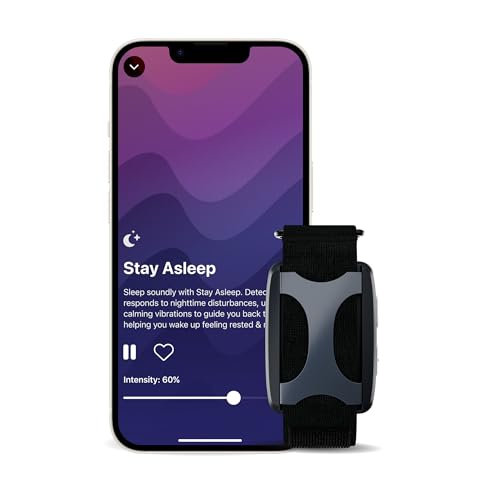
The Oura Ring and Whoop are the most accurate consumer options for sleep stages and HRV; a smartwatch (Apple Watch, Garmin) works too if you'd rather not wear a ring. Prioritize validated HRV and sleep-stage tracking over step counts, check whether it needs a subscription (Whoop does), and pick something comfortable enough to wear every night.

What Makes a Good Magnesium Supplement
Form matters more than dose: magnesium glycinate and citrate absorb well and are gentle on the stomach, while cheap magnesium oxide is poorly absorbed. A typical supplemental dose is 200–400 mg of elemental magnesium (check the label — it's usually lower than the pill weight). Take it in the evening if you're using it for sleep, and pick a third-party-tested brand.


Related Articles
Low Vitamin D Linked to Higher Pain After Breast Cancer Surgery
A study of 184 mastectomy patients found vitamin D deficiency tripled the likelihood of moderate...
Read article RecoveryREM and Deep Sleep Linked to Lower Disease Risk in Large Study
A PLOS Medicine study of 95,559 adults links higher REM and deep sleep to lower risks of type 2...
Read article RecoveryDeep Sleep Loss Linked to Frontal Cortex Tau Buildup in New Study
A Nature Neuroscience study links disrupted non-REM slow brain waves to tau protein buildup in...
Read article RecoveryScheduled 30-Minute Naps Improve Performance in Shift Workers
A clinical trial found that a 30-minute nap opportunity improved crisis simulation performance...
Read articlePartner · Opt Health
Want help fixing your sleep for real?
Opt Health treats sleep as a measurable system — cortisol rhythm, thyroid, testosterone, inflammation — and works the biology behind bad sleep with a physician, not a sleep-hygiene checklist.
See Opt Health's sleep program →Topic updates
Get the weekly recovery roundup
Sleep, HRV, fatigue, burnout, cortisol rhythm, sleep apnea, overtraining, and stress physiology.
Understand Your Health Better
Our free assessment maps your symptoms to the most relevant guides, tools, and product recommendations.
Take the Free Assessment →Free · Takes 5 minutes · Instant results
Affiliate disclosure: The Metabolic Journal is reader-supported. Some links above are affiliate or referral links and we may earn a commission at no extra cost to you. Products are chosen on the merits; commissions never influence what we recommend. This is general information, not medical advice — talk to your clinician before acting.