Cochrane Review Finds Weak Evidence for Medical Cannabis in Insomnia
A systematic review of nine clinical trials found that medical cannabis produced little measurable improvement in sleep quality or duration.
Nine Clinical Trials Evaluated Regulated Cannabis for Sleep
Researchers analyzed nine clinical trials to determine whether medical cannabis relieves chronic sleep problems. The review, published by Cochrane, pooled data from 537 adults between 18 and 76 years of age who sought care for insomnia. Most participants had primary insomnia, which means their sleeplessness was not caused by a separate underlying medical condition.
Investigators evaluated regulated medical cannabis formulations rather than recreational products. These products contained measured amounts of tetrahydrocannabinol (THC) and cannabidiol (CBD) delivered through oral tablets, sprays, or oils. Eight of the nine studies compared medical cannabis directly against an inactive placebo, while one study compared it to amitriptyline, an antidepressant drug sometimes prescribed for sleep disruption.
Sleep Quality and Total Rest Showed Negligible Measurable Changes
Across the placebo-controlled studies, medical cannabis produced little or no clinically meaningful improvement in sleep quality or total hours slept. Participants receiving cannabis reported similar sleep satisfaction compared to participants receiving a placebo. The preparations also failed to demonstrate consistent improvements in daytime functioning.
The researchers identified common side effects among participants who received active cannabis treatments. Those using medical cannabis reported higher rates of mild adverse events, specifically dizziness and dry mouth, compared to the placebo groups. The authors noted that these safety findings stemmed from a small number of trials, which leaves the exact frequency of side effects uncertain.
Existing Trial Data Remains Too Weak to Form Firm Conclusions
The findings indicate that current studies lack the quality required to establish whether medical cannabis works for insomnia. Reviewers rated their confidence in the available evidence as low or very low. Dr. Lucia Varela from the University of Manitoba explained that this rating reflects limitations in study design, small sample sizes, conflicting findings, and potential trial bias rather than absolute proof that cannabis cannot help sleep.
Quality of life measurements also yielded contradictory signals. When researchers pooled the study data, quality of life estimates ranged from a slight decrease to a substantial improvement. Because of inconsistent methods across trials, the team concluded that existing research cannot answer whether medical cannabis offers dependable sleep benefits for the general population.
Established Behavioral Interventions Remain Primary Options for Recovery
Sleep plays a direct role in hormone regulation, insulin sensitivity, and physical recovery. Chronic insomnia impairs daytime metabolic functioning and increases the likelihood of mood disorders such as anxiety or depression. When sleeplessness persists, standard treatments include cognitive behavioral therapy to address habits that interfere with rest, as well as prescribed medications when indicated.
Individuals evaluating treatment options for persistent insomnia should discuss evidence-based approaches with their clinician before testing unregulated products or changing medications. While interest in cannabinoid therapies remains high, dependable guidance requires larger randomized clinical trials that follow standardized dosing protocols and validate clinical outcomes over longer observation periods.
What to Look For in a Sleep & Recovery Tracker
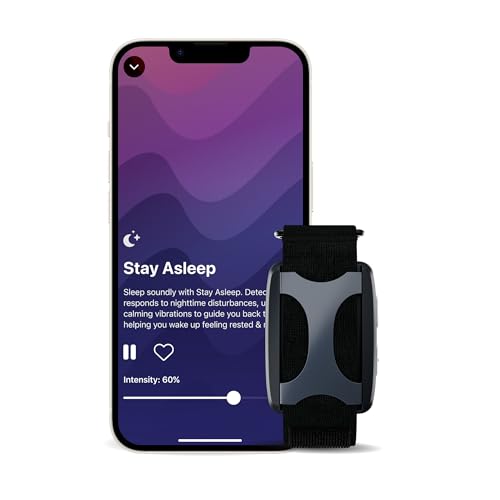
The Oura Ring and Whoop are the most accurate consumer options for sleep stages and HRV; a smartwatch (Apple Watch, Garmin) works too if you'd rather not wear a ring. Prioritize validated HRV and sleep-stage tracking over step counts, check whether it needs a subscription (Whoop does), and pick something comfortable enough to wear every night.

What Makes a Good Magnesium Supplement
Form matters more than dose: magnesium glycinate and citrate absorb well and are gentle on the stomach, while cheap magnesium oxide is poorly absorbed. A typical supplemental dose is 200–400 mg of elemental magnesium (check the label — it's usually lower than the pill weight). Take it in the evening if you're using it for sleep, and pick a third-party-tested brand.


Related Articles
Irregular Sleep Schedules Linked to Higher Cardiovascular Risk
Preliminary data from the All of Us program links night-to-night sleep schedule shifts to higher...
Read article RecoveryAI and Wearable Trackers Predict Hypertensive Crisis Days Early
A 12-month study found artificial intelligence analyzing wearable tracker data and blood...
Read article RecoveryPersonalized Music Cuts Cortisol More Than Pink Noise in Trial
A clinical trial found 24 minutes of personalized music paired with auditory beats reduced...
Read article RecoveryWhy Patients Stop Taking Lemborexant for Insomnia
A study of online reviews found one in four patients stopped or planned to stop lemborexant for...
Read articleWant help fixing your sleep for real?
Opt Health treats sleep as a measurable system — cortisol rhythm, thyroid, testosterone, inflammation — and works the biology behind bad sleep with a physician, not a sleep-hygiene checklist.
See Opt Health's sleep program →Topic updates
Get the weekly recovery roundup
Sleep, HRV, fatigue, burnout, cortisol rhythm, sleep apnea, overtraining, and stress physiology.
Understand Your Health Better
Our free assessment maps your symptoms to the most relevant guides, tools, and product recommendations.
Take the Free Assessment →Free · Takes 5 minutes · Instant results
Affiliate disclosure: The Metabolic Journal is reader-supported. Some links above are affiliate or referral links and we may earn a commission at no extra cost to you. Products are chosen on the merits; commissions never influence what we recommend. This is general information, not medical advice — talk to your clinician before acting.