Why Patients Stop Taking Lemborexant for Insomnia
An analysis of patient reviews connects sleep paralysis and disturbing dreams to discontinuation of the orexin inhibitor.
Online Reviews Show High Discontinuation Rates for Lemborexant
About one in four patients taking the insomnia drug lemborexant stopped or planned to stop the medication because of unsettling adverse effects, according to a study published in Sleep Medicine.
Researchers from Rutgers Brain Health Institute, Virginia Commonwealth University, and the University of Sydney examined 260 online reviews submitted between 2020 and 2023. Of those 260 individuals, 70 had stopped taking the prescription sleep aid or intended to discontinue it.
Patient sentiment split sharply between positive and negative extremes. The most frequent rating assigned to the medication was 1 out of 10, followed immediately by 10 out of 10.
Sleep Paralysis and Vivid Dreams Prompt Patient Dropouts
Disturbing nighttime events separated the patients who discontinued lemborexant from those who continued taking it. Sleep paralysis appeared in 40 percent of reviews from people who stopped or planned to stop, compared with 15 percent among the rest of the sample.
Sleep paralysis involves waking up while remaining temporarily unable to move or speak. One reviewer recounted feeling paralyzed and unable to scream before waking a spouse in distress.
Vivid dreams and intense nightmares also appeared across roughly one-third of all patient reviews. Many reviewers identified those vivid nightmares as the explicit reason they could no longer take the drug.
The Biological Mechanism Behind Orexin Blockade and Parasomnias
Blocking wakefulness signals in the brain can alter normal sleep architecture by increasing rapid-eye-movement dreaming sleep. Lemborexant, which received approval from the United States Food and Drug Administration (FDA) in 2019, works by inhibiting orexin, a neurotransmitter that promotes wakefulness.
During standard dreaming sleep, the brain actively shuts down skeletal muscle control to prevent a person from physically acting out dreams. When orexin antagonists prolong or intensify dreaming sleep, that normal muscle inhibition and dream imagery can bleed into conscious waking moments.
The study authors noted that this physiological carryover explains why users experience temporary immobility alongside waking hallucinations.
Discrepancies Between Controlled Trials and Real-World Experience
Patient-reported experiences online diverged substantially from the adverse event rates documented during pre-approval clinical trials. In the primary randomized trials for lemborexant, fewer than two in 100 participants reported sleep paralysis, while one to three in 100 noted abnormal dreams.
Within the online review dataset, two-thirds of all reviewers mentioned at least one side effect, and one in five described sleep paralysis.
The investigators highlighted that online review forums carry clear selection bias. Individuals experiencing either exceptional relief or severe side effects write online reviews far more frequently than patients with unremarkable outcomes.
Considerations for Managing Rest and Sleep Disturbances
Lemborexant provides clear sleep improvements for a portion of users, but outcomes vary widely across individuals. Roughly one-third of the reviewed patients stated the drug meaningfully improved their sleep, while half reported minimal to no benefit.
Nighttime recovery directly influences daytime energy, metabolic regulation, and stress resilience. Anyone experiencing disruptive nightmares, paralysis, or lingering grogginess on sleep medications should consult their prescribing clinician to adjust care.
What to Look For in a Sleep & Recovery Tracker
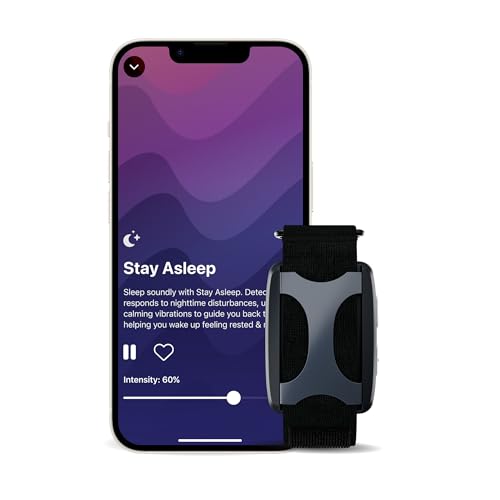
The Oura Ring and Whoop are the most accurate consumer options for sleep stages and HRV; a smartwatch (Apple Watch, Garmin) works too if you'd rather not wear a ring. Prioritize validated HRV and sleep-stage tracking over step counts, check whether it needs a subscription (Whoop does), and pick something comfortable enough to wear every night.

What Makes a Good Magnesium Supplement
Form matters more than dose: magnesium glycinate and citrate absorb well and are gentle on the stomach, while cheap magnesium oxide is poorly absorbed. A typical supplemental dose is 200–400 mg of elemental magnesium (check the label — it's usually lower than the pill weight). Take it in the evening if you're using it for sleep, and pick a third-party-tested brand.


Related Articles
Cochrane Review Finds Weak Evidence for Medical Cannabis in Insomnia
A Cochrane review of nine trials shows low-certainty evidence that medical cannabis improves...
Read article RecoveryIrregular Sleep Schedules Linked to Higher Cardiovascular Risk
Preliminary data from the All of Us program links night-to-night sleep schedule shifts to higher...
Read article RecoveryAI and Wearable Trackers Predict Hypertensive Crisis Days Early
A 12-month study found artificial intelligence analyzing wearable tracker data and blood...
Read article RecoveryPersonalized Music Cuts Cortisol More Than Pink Noise in Trial
A clinical trial found 24 minutes of personalized music paired with auditory beats reduced...
Read articleWant help fixing your sleep for real?
Opt Health treats sleep as a measurable system — cortisol rhythm, thyroid, testosterone, inflammation — and works the biology behind bad sleep with a physician, not a sleep-hygiene checklist.
See Opt Health's sleep program →Topic updates
Get the weekly recovery roundup
Sleep, HRV, fatigue, burnout, cortisol rhythm, sleep apnea, overtraining, and stress physiology.
Understand Your Health Better
Our free assessment maps your symptoms to the most relevant guides, tools, and product recommendations.
Take the Free Assessment →Free · Takes 5 minutes · Instant results
Affiliate disclosure: The Metabolic Journal is reader-supported. Some links above are affiliate or referral links and we may earn a commission at no extra cost to you. Products are chosen on the merits; commissions never influence what we recommend. This is general information, not medical advice — talk to your clinician before acting.