Irregular Sleep Schedules Linked to Higher Cardiovascular Risk
An analysis of wearable device data from over 10,000 adults associates variable sleep timing with elevated heart disease rates.
Wearable Data Connects Sleep Shifts to Cardiovascular Events
Night-to-night variations in sleep timing are associated with a 20% to 23% higher risk of serious cardiovascular events, according to preliminary research scheduled for presentation at the American Heart Association (AHA) Scientific Sessions 2026. The findings come from an observational analysis led by Nguyen Minh Tuan Viet, a neuroscientist at Boston Children's Hospital and Harvard Medical School. Viet evaluated sleep records from more than 10,000 adults participating in the National Institutes of Health (NIH) "All of Us" Research Program.
Participants in the cohort wore activity trackers that recorded objective sleep parameters across roughly six months. Researchers measured total sleep duration, sleep quality, timing, schedule regularity, and sleep architecture across light, deep, and rapid eye movement (REM) stages. The analysis linked shifting sleep timing to increased rates of heart attack, stroke, and heart failure.
Day-to-Day Duration Variations Correlate with Specific Conditions
Fluctuations in total sleep length from night to night showed a measurable relationship with heart failure and heart muscle disease in the study cohort. Each 29-minute increase in how much a participant's sleep duration fluctuated night to night was associated with a 24% higher risk of composite cardiovascular outcomes.
That variation included a 29% higher risk of developing disease of the heart muscle, a condition where the heart fails to pump blood effectively. It also included a 20% higher risk of clinical heart failure. The investigators noted that schedule shifts frequently occur during weekends or during rotating shift work, creating irregular sleep patterns across the week.
Sleep Architecture Correlates with Arrhythmia and Stroke Risks
The number and length of complete sleep cycles each night corresponded with distinct cardiac outcomes in the participant dataset. A sleep cycle was defined as the interval from the end of one REM period to the end of the next, including intervening light and deep stages.
Completing a higher number of full sleep cycles each night was linked to a 28% lower risk of atrial arrhythmia, a prevalent form of irregular heartbeat. Conversely, experiencing an unusually long sleep cycle was associated with a 55% higher risk of experiencing a heart attack or stroke.
Observational Findings Lack Proof of Direct Causation
Independent sleep experts caution that the preliminary data demonstrates statistical correlation rather than a proven causal relationship between sleep regularity and cardiovascular events. Marie-Pierre St-Onge, director of the Center of Excellence for Sleep and Circadian Research at Columbia University Irving Medical Center, noted that while years of data establish cardiovascular risks from short sleep duration, evidence confirming independent causality for schedule regularity remains absent.
St-Onge pointed out that sleep duration and sleep schedule regularity frequently interact, making it difficult to isolate the exact biological contribution of timing alone. The research abstract represents an initial signal that requires validation in controlled clinical trials before professional associations can issue formal clinical guidelines regarding sleep regularity.
What to Look For in a Sleep & Recovery Tracker
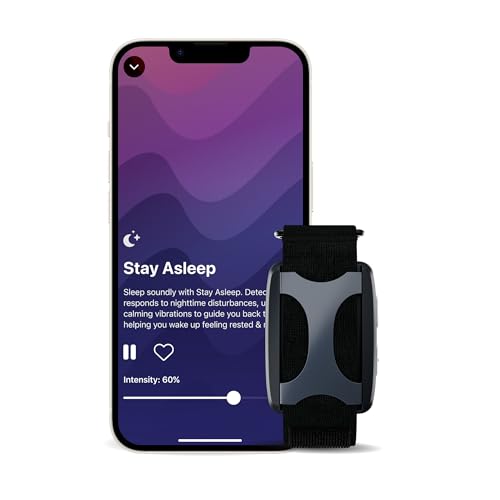
The Oura Ring and Whoop are the most accurate consumer options for sleep stages and HRV; a smartwatch (Apple Watch, Garmin) works too if you'd rather not wear a ring. Prioritize validated HRV and sleep-stage tracking over step counts, check whether it needs a subscription (Whoop does), and pick something comfortable enough to wear every night.

What Makes a Good Magnesium Supplement
Form matters more than dose: magnesium glycinate and citrate absorb well and are gentle on the stomach, while cheap magnesium oxide is poorly absorbed. A typical supplemental dose is 200–400 mg of elemental magnesium (check the label — it's usually lower than the pill weight). Take it in the evening if you're using it for sleep, and pick a third-party-tested brand.


Related Articles
Cochrane Review Finds Weak Evidence for Medical Cannabis in Insomnia
A Cochrane review of nine trials shows low-certainty evidence that medical cannabis improves...
Read article RecoveryAI and Wearable Trackers Predict Hypertensive Crisis Days Early
A 12-month study found artificial intelligence analyzing wearable tracker data and blood...
Read article RecoveryPersonalized Music Cuts Cortisol More Than Pink Noise in Trial
A clinical trial found 24 minutes of personalized music paired with auditory beats reduced...
Read article RecoveryWhy Patients Stop Taking Lemborexant for Insomnia
A study of online reviews found one in four patients stopped or planned to stop lemborexant for...
Read articleWant help fixing your sleep for real?
Opt Health treats sleep as a measurable system — cortisol rhythm, thyroid, testosterone, inflammation — and works the biology behind bad sleep with a physician, not a sleep-hygiene checklist.
See Opt Health's sleep program →Topic updates
Get the weekly recovery roundup
Sleep, HRV, fatigue, burnout, cortisol rhythm, sleep apnea, overtraining, and stress physiology.
Understand Your Health Better
Our free assessment maps your symptoms to the most relevant guides, tools, and product recommendations.
Take the Free Assessment →Free · Takes 5 minutes · Instant results
Affiliate disclosure: The Metabolic Journal is reader-supported. Some links above are affiliate or referral links and we may earn a commission at no extra cost to you. Products are chosen on the merits; commissions never influence what we recommend. This is general information, not medical advice — talk to your clinician before acting.