REM and Deep Sleep Linked to Lower Disease Risk in Large Study
Data from 95,559 UK Biobank participants connects specific sleep stages to lower rates of diabetes, dementia, and heart failure.
Analysis Links Sleep Architecture to Over 80 Health Conditions
Higher amounts of rapid eye movement (REM) sleep and deep sleep link to lower rates of multiple chronic illnesses. Researchers analyzed accelerometer data from 95,559 participants in the United Kingdom (UK) Biobank cohort. Participants wore wrist monitors for seven consecutive days.
A deep-learning model classified sleep stages across the cohort. Investigators followed these adults for a median of 8.9 years. The team evaluated health records across more than 1,000 disease outcomes, finding 156 significant associations after statistical correction.
Deep Sleep Associates with Lower Type 2 Diabetes Incidence
Time spent in slow-wave deep sleep correlates with a lower incidence of type 2 diabetes and major depressive disorder. Deep sleep totals correlated with lower risk across seven conditions. Metabolic regulation often relies on these deeper stages.
Rapid eye movement sleep connected to a broader set of 83 conditions. Each 47.6-minute increase in REM sleep corresponded to lower risk for specific neurological and cardiovascular diseases. Observed hazard ratios reached 0.74 for heart failure, 0.54 for dementia, and 0.20 for Parkinson's disease.
A Six to Eight Hour Window Concentrates the Lowest Disease Rates
Total sleep duration between six and eight hours aligns with the lowest disease risk across 69 distinct conditions. Sleeping under five hours correlated with higher risk across 37 conditions. The relationship remained nonlinear.
Disruptions during the night also tracked with poor long-term psychological health. Wakefulness after sleep onset and schedule irregularity both correlated with higher rates of anxiety. Night-to-night consistency supported better overall sleep patterns.
Observational Evidence Leaves Causality Unresolved
The UK Biobank dataset remains observational and does not establish that sleep stages directly prevent disease. Unmeasured habits or early disease could alter sleep architecture years before diagnosis. Talk to a clinician about personal sleep patterns.
The cohort focused on middle-aged and older adults in the UK Biobank. Wearable accelerometers improve upon self-reported surveys, but clinical trials must test whether improving sleep stages alters metabolic outcomes. Consistent bedtimes help stabilize nocturnal rest.
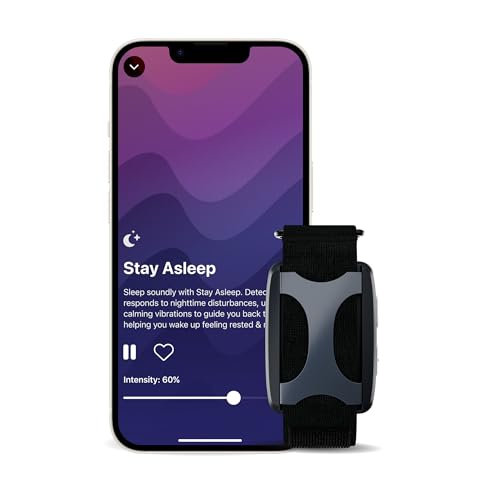
What to Look For in a Sleep & Recovery Tracker
The Oura Ring and Whoop are the most accurate consumer options for sleep stages and HRV; a smartwatch (Apple Watch, Garmin) works too if you'd rather not wear a ring. Prioritize validated HRV and sleep-stage tracking over step counts, check whether it needs a subscription (Whoop does), and pick something comfortable enough to wear every night.

What Makes a Good Magnesium Supplement
Form matters more than dose: magnesium glycinate and citrate absorb well and are gentle on the stomach, while cheap magnesium oxide is poorly absorbed. A typical supplemental dose is 200–400 mg of elemental magnesium (check the label — it's usually lower than the pill weight). Take it in the evening if you're using it for sleep, and pick a third-party-tested brand.


Related Articles
Low Vitamin D Linked to Higher Pain After Breast Cancer Surgery
A study of 184 mastectomy patients found vitamin D deficiency tripled the likelihood of moderate...
Read article RecoveryHinoki Root Essential Oil Improved Sleep Markers in a Small Trial
A Kyushu University pilot study found hinoki root essential oil improved sleep onset brain waves...
Read article RecoveryDeep Sleep Loss Linked to Frontal Cortex Tau Buildup in New Study
A Nature Neuroscience study links disrupted non-REM slow brain waves to tau protein buildup in...
Read article RecoveryScheduled 30-Minute Naps Improve Performance in Shift Workers
A clinical trial found that a 30-minute nap opportunity improved crisis simulation performance...
Read articlePartner · Opt Health
Want help fixing your sleep for real?
Opt Health treats sleep as a measurable system — cortisol rhythm, thyroid, testosterone, inflammation — and works the biology behind bad sleep with a physician, not a sleep-hygiene checklist.
See Opt Health's sleep program →Topic updates
Get the weekly recovery roundup
Sleep, HRV, fatigue, burnout, cortisol rhythm, sleep apnea, overtraining, and stress physiology.
Understand Your Health Better
Our free assessment maps your symptoms to the most relevant guides, tools, and product recommendations.
Take the Free Assessment →Free · Takes 5 minutes · Instant results
Affiliate disclosure: The Metabolic Journal is reader-supported. Some links above are affiliate or referral links and we may earn a commission at no extra cost to you. Products are chosen on the merits; commissions never influence what we recommend. This is general information, not medical advice — talk to your clinician before acting.