Deep Sleep Loss Linked to Frontal Cortex Tau Buildup in New Study
Researchers at UC Berkeley connected disrupted non-REM slow brain waves to tau protein accumulation and impaired episodic memory.
Disrupted Brain Waves Linked to Tau Protein Buildup
Disrupted traveling slow waves during non-rapid eye movement (non-REM) sleep correlate with tau protein accumulation in the frontal cortex and weaker episodic memory formation. Researchers at the University of California, Berkeley published these findings in Nature Neuroscience on September 11, 2026. The study compared sleep recordings and brain imaging between healthy young adults and older individuals.
Episodic memory handles the recollection of specific personal moments, from where a vehicle was parked to events from decades earlier. As humans age, the sensory details of these life moments become harder to recall. The investigation showed that tau pathology can alter sleep architecture before any clinical diagnosis of Alzheimer's disease occurs.
How Non-REM Slow Waves Consolidate Everyday Memories
During non-REM sleep, large populations of cortical neurons switch off and back on together in synchronized patterns. Lead author Omer Sharon noted that each slow wave reflects this coordinated neural activity moving across wide brain areas. The coordinated shutdown originates in the frontal cortex and travels outward during deep rest.
When these traveling waves maintain regular timing and physical reach, the brain successfully transfers daily impressions into durable storage. In the study, younger adults in their early 20s produced wave clusters that traveled roughly the length of a handspan across the scalp. In participants aged 65 to 75, the traveling waves became irregular, traveled shorter physical distances, and appeared more isolated.
Brain Scans Reveal Subclinical Tau Accumulation
The researchers paired electroencephalogram (EEG) sleep tracking with positron emission tomography (PET) scans to evaluate participants. The PET imaging used injected radioactive tracers to map tau protein density across regions of interest. Scans confirmed that higher tau buildup in the frontal cortex directly matched the physical breakdown of traveling slow waves.
The older participants tested in the cohort were cognitively healthy and did not have an Alzheimer's disease diagnosis. The presence of frontal cortex tau produced measurable reductions in slow-wave travel distance before clear behavioral symptoms emerged. The finding pinpoints a specific physiological mechanism linking protein deposits to impaired episodic memory processing.
Recovery Context for Long-Term Cognitive Function
Deep sleep serves as an active metabolic state where neural synchronization supports brain tissue maintenance. Disrupted sleep architecture often co-occurs with systemic metabolic strain, irregular circadian cues, and reduced physical recovery time. Tracking non-REM sleep stability provides clinicians and researchers with an objective physiological marker of neural communication.
Individuals tracking their sleep duration can monitor basic lifestyle factors that affect deep sleep, including ambient light, bedroom temperature, and caffeine timing. Anyone experiencing persistent memory changes or chronic daytime exhaustion should consult a qualified clinician for structured evaluation rather than relying on consumer sleep scores.
- Non-REM slow waves reflect synchronized cortical shutdowns that consolidate daily episodic memories.
- PET imaging shows frontal tau accumulation shortens the physical distance slow brain waves travel.
- Measurable slow-wave disruptions appear in healthy older adults before clinical dementia signs manifest.
Observational Design and Cohort Size Caveats
The study design identifies a correlation between localized tau buildup, shortened brain waves, and memory scores, but it does not prove direct causation. The authors contrasted cohorts in their early 20s against older adults in their 60s and 70s, leaving intermediate age brackets unexamined. Long-term prospective tracking is required to confirm whether slow-wave degradation accelerates future tau deposition.
PET tracer availability and laboratory EEG monitoring also limit widespread clinical use of these measurements for routine screening. Further research must clarify whether behavioral or therapeutic interventions that preserve non-REM wave travel can slow cognitive decline over time.
What to Look For in a Sleep & Recovery Tracker
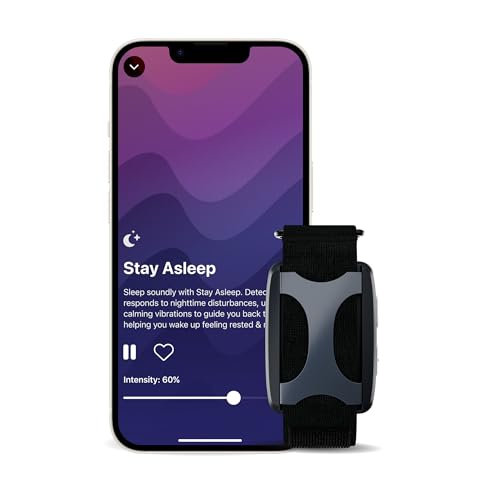
The Oura Ring and Whoop are the most accurate consumer options for sleep stages and HRV; a smartwatch (Apple Watch, Garmin) works too if you'd rather not wear a ring. Prioritize validated HRV and sleep-stage tracking over step counts, check whether it needs a subscription (Whoop does), and pick something comfortable enough to wear every night.

What Makes a Good Magnesium Supplement
Form matters more than dose: magnesium glycinate and citrate absorb well and are gentle on the stomach, while cheap magnesium oxide is poorly absorbed. A typical supplemental dose is 200–400 mg of elemental magnesium (check the label — it's usually lower than the pill weight). Take it in the evening if you're using it for sleep, and pick a third-party-tested brand.


Related Articles
Low Vitamin D Linked to Higher Pain After Breast Cancer Surgery
A study of 184 mastectomy patients found vitamin D deficiency tripled the likelihood of moderate...
Read article RecoveryREM and Deep Sleep Linked to Lower Disease Risk in Large Study
A PLOS Medicine study of 95,559 adults links higher REM and deep sleep to lower risks of type 2...
Read article RecoveryHinoki Root Essential Oil Improved Sleep Markers in a Small Trial
A Kyushu University pilot study found hinoki root essential oil improved sleep onset brain waves...
Read article RecoveryScheduled 30-Minute Naps Improve Performance in Shift Workers
A clinical trial found that a 30-minute nap opportunity improved crisis simulation performance...
Read articlePartner · Opt Health
Want help fixing your sleep for real?
Opt Health treats sleep as a measurable system — cortisol rhythm, thyroid, testosterone, inflammation — and works the biology behind bad sleep with a physician, not a sleep-hygiene checklist.
See Opt Health's sleep program →Topic updates
Get the weekly recovery roundup
Sleep, HRV, fatigue, burnout, cortisol rhythm, sleep apnea, overtraining, and stress physiology.
Understand Your Health Better
Our free assessment maps your symptoms to the most relevant guides, tools, and product recommendations.
Take the Free Assessment →Free · Takes 5 minutes · Instant results
Affiliate disclosure: The Metabolic Journal is reader-supported. Some links above are affiliate or referral links and we may earn a commission at no extra cost to you. Products are chosen on the merits; commissions never influence what we recommend. This is general information, not medical advice — talk to your clinician before acting.