Sleep ECGs Predict Ten-Year Cardiovascular Risk in NIH Study
A deep learning model analyzes single-lead overnight heart tracings to forecast heart failure and mortality.
Sleep Study ECGs Accurately Predict Ten-Year Cardiac Risk
A deep learning model trained on single-lead electrocardiogram (ECG) tracings from overnight sleep studies predicts 10-year risk for major cardiovascular outcomes.
The research was supported by the National Institutes of Health (NIH) and published in the journal SLEEP.
Standard sleep studies, known as polysomnography, evaluate disorders such as obstructive sleep apnea and insomnia. While technicians routinely record ECG data during these overnight tests, clinicians rarely evaluate those heart signals for long-term cardiovascular prognosis.
Deep Learning Model Analyzes Over Thirty-Eight Thousand Patients
Researchers fine-tuned the neural network on single-lead recordings from 15,809 patients at Massachusetts General Hospital in Boston.
The investigators then evaluated the model on two separate patient groups to verify its accuracy. These test groups included 9,810 patients from Emory University Hospital in Atlanta and 12,576 patients from Beth Israel Deaconess Medical Center in Boston.
Cardiovascular outcomes and survival records came directly from electronic health records across all three hospital systems.
- 15,809 patients used for initial model fine-tuning at Massachusetts General Hospital
- 9,810 patients evaluated in the first external validation cohort at Emory University Hospital
- 12,576 patients evaluated in the second external cohort at Beth Israel Deaconess Medical Center
What the Model Predicts Beyond Standard Metabolic Risk Factors
The deep learning score remained predictive of adverse outcomes after controlling for common clinical markers.
Adjustments included age, sex, body mass index (BMI), diabetes, and hypertension. The model also held its predictive value when researchers accounted for sleep-specific metrics, such as sleep apnea severity, nighttime arousals, and overall sleep efficiency.
Higher output scores correlated with higher rates of atrial fibrillation, heart failure, and death from any cause over a 10-year follow-up period.
Current Diagnostic Limitations and Next Steps for Sleep Screening
The current model successfully identified risks for heart failure and atrial fibrillation, but it requires further optimization to predict stroke and myocardial infarction.
The approach relies on a single electrical lead rather than a conventional 12-lead hospital setup. This single-lead design allows future data collection through low-cost wearable patches during sleep, according to the study authors.
Researchers note that prospective clinical trials must confirm whether adding this analytical score to sleep studies improves patient outcomes before doctors adopt it in routine clinical care.
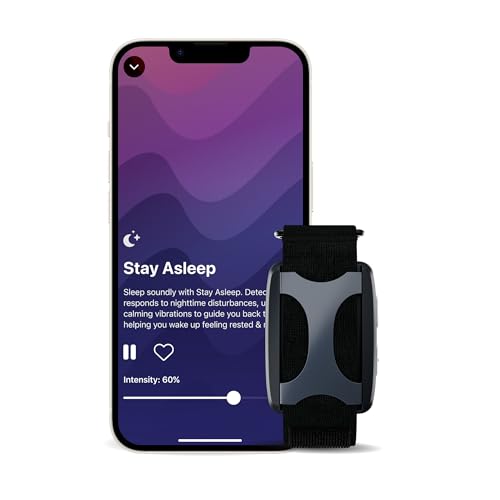
What to Look For in a Sleep & Recovery Tracker
The Oura Ring and Whoop are the most accurate consumer options for sleep stages and HRV; a smartwatch (Apple Watch, Garmin) works too if you'd rather not wear a ring. Prioritize validated HRV and sleep-stage tracking over step counts, check whether it needs a subscription (Whoop does), and pick something comfortable enough to wear every night.

What Makes a Good Magnesium Supplement
Form matters more than dose: magnesium glycinate and citrate absorb well and are gentle on the stomach, while cheap magnesium oxide is poorly absorbed. A typical supplemental dose is 200–400 mg of elemental magnesium (check the label — it's usually lower than the pill weight). Take it in the evening if you're using it for sleep, and pick a third-party-tested brand.


Related Articles
Evening Smartphone Use Delays Teen Sleep by Over an Hour
Teens who use smartphones past 10 p.m. fall asleep 64 minutes later and lose 20 minutes of total...
Read article RecoveryUniversity of Sydney Identifies Circadian Depression Subtype
A University of Sydney study identified a circadian depression subtype in 25 percent of...
Read article RecoveryMedical Cannabis Lacks Evidence for Insomnia in New Cochrane Review
A Cochrane systematic review of nine clinical trials found insufficient evidence to determine if...
Read article RecoveryPre-Surgery Physical Activity Linked to Lower Delirium Risk
A study presented at ANESTHESIOLOGY 2026 links weekly physical activity before tumor removal...
Read articleWant help fixing your sleep for real?
Opt Health treats sleep as a measurable system — cortisol rhythm, thyroid, testosterone, inflammation — and works the biology behind bad sleep with a physician, not a sleep-hygiene checklist.
See Opt Health's sleep program →Topic updates
Get the weekly recovery roundup
Sleep, HRV, fatigue, burnout, cortisol rhythm, sleep apnea, overtraining, and stress physiology.
Understand Your Health Better
Our free assessment maps your symptoms to the most relevant guides, tools, and product recommendations.
Take the Free Assessment →Free · Takes 5 minutes · Instant results
Affiliate disclosure: The Metabolic Journal is reader-supported. Some links above are affiliate or referral links and we may earn a commission at no extra cost to you. Products are chosen on the merits; commissions never influence what we recommend. This is general information, not medical advice — talk to your clinician before acting.