Longer Sleep Duration Linked to Kidney Disease in Type 2 Diabetes
A prospective study finds extended rest tracks with higher rates of diabetic nephropathy but does not prove direct causation.
Observational Study Links Extended Sleep to Kidney Complications
People with type 2 diabetes who habitually sleep longer face a higher risk of developing or worsening diabetic kidney disease, according to an observational cohort study published in the Journal of the Endocrine Society.
Diabetic kidney disease, also termed diabetic nephropathy, stems from long-term vascular damage associated with elevated blood sugar levels. Medical estimates indicate the condition affects 30% to 40% of individuals diagnosed with diabetes.
The condition serves as a primary pathway to end-stage kidney failure and elevates cardiovascular disease risks. Researchers led by Tomoya Mita at Juntendo University Graduate School of Medicine in Tokyo tracked clinical outcomes to evaluate whether nightly rest duration correlates with renal decline.
Cohort Data Spanned Six Years Across Japanese Adults
The prospective cohort followed 678 Japanese adults diagnosed with type 2 diabetes across approximately six years of clinical observation.
Investigators tracked participants to record either new incidence of diabetic nephropathy or measurable progression of existing renal impairment.
Statistical analyses showed that individuals with longer habitual sleep duration had a consistently higher likelihood of adverse renal outcomes during the multi-year evaluation window.
Older Adults and Preexisting Kidney Damage Showed Greatest Risk
The link between longer sleep duration and renal decline appeared strongest among older participants within the study group.
Patients entering the trial with baseline markers of renal vulnerability also demonstrated a tighter association with sleep length.
Specifically, individuals displaying microalbuminuria or reduced baseline kidney function experienced the highest rates of disease progression when sleeping longer hours.
Extended Sleep Operates as a Clinical Marker Rather than a Direct Cause
Longer sleep duration does not cause structural kidney failure, according to explicit caveats highlighted by the study authors.
The investigators stressed that their observational protocol prevents establishing any direct causal relationship between sleep hours and nephropathy.
Instead, prolonged sleep duration may operate as an observable indicator of underlying metabolic fragility, advanced systemic vascular stress, or unmeasured chronic illness.
Clinical Limitations and Guidance for Metabolic Management
Study authors explicitly advised against cutting sleep duration in an effort to protect kidney health, noting that artificial sleep restriction carries independent risks.
The cohort included only Japanese patients with type 2 diabetes, which means confirmation in more diverse global populations remains necessary.
Individuals with type 2 diabetes who notice an unprompted increase in their sleep duration can talk to their clinician about scheduling routine urine albumin tests and comprehensive metabolic panels.
What to Look For in a Sleep & Recovery Tracker
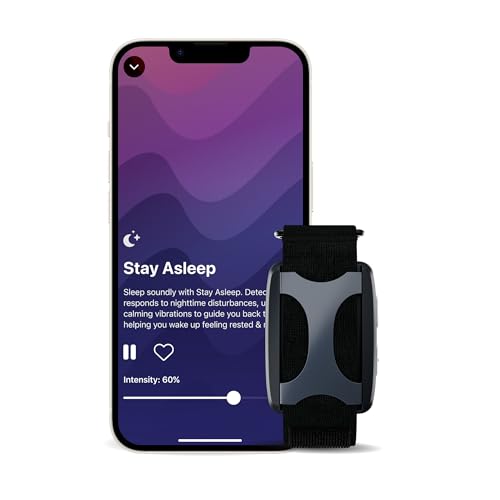
The Oura Ring and Whoop are the most accurate consumer options for sleep stages and HRV; a smartwatch (Apple Watch, Garmin) works too if you'd rather not wear a ring. Prioritize validated HRV and sleep-stage tracking over step counts, check whether it needs a subscription (Whoop does), and pick something comfortable enough to wear every night.

What Makes a Good Magnesium Supplement
Form matters more than dose: magnesium glycinate and citrate absorb well and are gentle on the stomach, while cheap magnesium oxide is poorly absorbed. A typical supplemental dose is 200–400 mg of elemental magnesium (check the label — it's usually lower than the pill weight). Take it in the evening if you're using it for sleep, and pick a third-party-tested brand.


Related Articles
Evening Smartphone Use Delays Teen Sleep by Over an Hour
Teens who use smartphones past 10 p.m. fall asleep 64 minutes later and lose 20 minutes of total...
Read article RecoveryUniversity of Sydney Identifies Circadian Depression Subtype
A University of Sydney study identified a circadian depression subtype in 25 percent of...
Read article RecoveryMedical Cannabis Lacks Evidence for Insomnia in New Cochrane Review
A Cochrane systematic review of nine clinical trials found insufficient evidence to determine if...
Read article RecoveryPre-Surgery Physical Activity Linked to Lower Delirium Risk
A study presented at ANESTHESIOLOGY 2026 links weekly physical activity before tumor removal...
Read articleWant help fixing your sleep for real?
Opt Health treats sleep as a measurable system — cortisol rhythm, thyroid, testosterone, inflammation — and works the biology behind bad sleep with a physician, not a sleep-hygiene checklist.
See Opt Health's sleep program →Topic updates
Get the weekly recovery roundup
Sleep, HRV, fatigue, burnout, cortisol rhythm, sleep apnea, overtraining, and stress physiology.
Understand Your Health Better
Our free assessment maps your symptoms to the most relevant guides, tools, and product recommendations.
Take the Free Assessment →Free · Takes 5 minutes · Instant results
Affiliate disclosure: The Metabolic Journal is reader-supported. Some links above are affiliate or referral links and we may earn a commission at no extra cost to you. Products are chosen on the merits; commissions never influence what we recommend. This is general information, not medical advice — talk to your clinician before acting.