Long-Term Concussion Symptoms Tied to Sleep and Mental Health
A 12-month study shows preexisting sleep disorders and initial symptom severity predict recovery better than emergency brain imaging.
Nearly Half of Adults Report Long-Term Concussion Symptoms
Almost half of concussed adults report persistent symptoms 12 months after their injury. The Concussion Recovery Study (CREST), published in the journal PLOS ONE, tracked 232 adults aged 18 to 65 across Australia. Researchers found that 45.6 percent of participants continued to report lingering issues a full year after injury.
Lingering issues included physical, cognitive, and sensory disruptions. Participants reported persistent fatigue, headaches, dizziness, and balance issues. Many also experienced difficulty concentrating, memory problems, irritability, and heightened sensitivity to light and noise.
Preexisting Sleep and Mood Disorders Multiply Recovery Odds
Preexisting sleep disorders represent the highest risk factor for prolonged concussion recovery in the cohort. Participants with diagnosed sleep issues prior to injury were 5.1 times more likely to experience long-term concussion symptoms at 12 months. Prior mental health conditions also raised the likelihood of persistent issues by 2.6 times.
Physical trauma outside athletic settings also lengthened the recovery process. Concussions caused by nonsports events increased the likelihood of 12-month symptoms by 2.5 times. Lead author Dr. Jacinta Thorne noted that events like vehicle crashes, falls, and assaults introduce physical and psychological stress that depletes recovery reserves.
Early Subjective Symptoms Outweigh Initial Medical Scans
Early feelings of mental fogginess and slowness predict prolonged recovery far better than hospital scans. Participants who reported severe symptoms in the days immediately following injury were almost three times more likely to report symptoms a year later. Severe early symptoms tripled the odds of lingering complications. Feeling slow, nervous, or mentally foggy served as an early warning sign during initial clinical assessments.
Standard clinical measures of acute trauma showed no link to long-term outcomes. The study found no correlation between persistent symptoms and loss of consciousness, post-traumatic amnesia, or the use of a computed tomography (CT) scan. The immediate subjective experience of the patient proved far more informative than emergency diagnostic imaging.
Work Resumption Masks Ongoing Concussion Difficulties
Returning to the workplace does not indicate complete physiological recovery from a head injury. Although 45.6 percent of participants had ongoing symptoms at one year, 97 percent had returned to work within that same timeframe. Study co-author Dr. Jemma Keeves observed that many employees continue working while managing ongoing fatigue and attention deficits.
Early risk screening helps clinicians design targeted recovery plans. Identifying prior sleep disruptions and early post-injury distress allows providers to offer tailored support. This approach protects everyday quality of life.
Study Scope and Observational Parameters
The investigation followed an observational cohort of 232 Australian adults between 18 and 65 years old. Because the research tracked natural recovery paths rather than an active intervention, the data establishes statistical correlations instead of verified causes. The authors did not assess metabolic biomarkers directly, focusing instead on clinical histories and self-reported outcomes.
Anyone managing post-concussion recovery should discuss sleep habits and mood history with a healthcare provider. Prior sleep disturbances may warrant tailored recovery plans. You can consult your clinician about monitoring cognitive fatigue and regulating daily energy demands during post-injury care.
What to Look For in a Sleep & Recovery Tracker
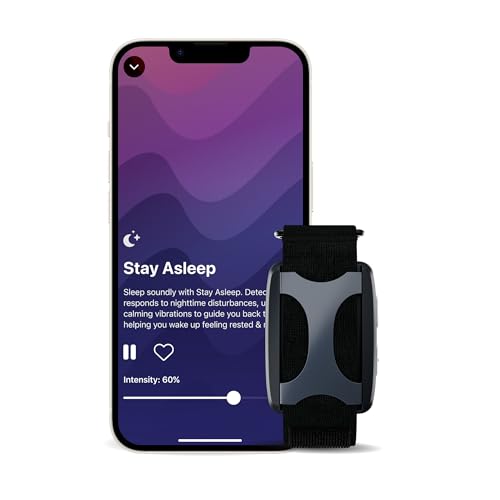
The Oura Ring and Whoop are the most accurate consumer options for sleep stages and HRV; a smartwatch (Apple Watch, Garmin) works too if you'd rather not wear a ring. Prioritize validated HRV and sleep-stage tracking over step counts, check whether it needs a subscription (Whoop does), and pick something comfortable enough to wear every night.

What Makes a Good Magnesium Supplement
Form matters more than dose: magnesium glycinate and citrate absorb well and are gentle on the stomach, while cheap magnesium oxide is poorly absorbed. A typical supplemental dose is 200–400 mg of elemental magnesium (check the label — it's usually lower than the pill weight). Take it in the evening if you're using it for sleep, and pick a third-party-tested brand.


Related Articles
Evening Smartphone Use Delays Teen Sleep by Over an Hour
Teens who use smartphones past 10 p.m. fall asleep 64 minutes later and lose 20 minutes of total...
Read article RecoveryUniversity of Sydney Identifies Circadian Depression Subtype
A University of Sydney study identified a circadian depression subtype in 25 percent of...
Read article RecoveryMedical Cannabis Lacks Evidence for Insomnia in New Cochrane Review
A Cochrane systematic review of nine clinical trials found insufficient evidence to determine if...
Read article RecoveryPre-Surgery Physical Activity Linked to Lower Delirium Risk
A study presented at ANESTHESIOLOGY 2026 links weekly physical activity before tumor removal...
Read articleWant help fixing your sleep for real?
Opt Health treats sleep as a measurable system — cortisol rhythm, thyroid, testosterone, inflammation — and works the biology behind bad sleep with a physician, not a sleep-hygiene checklist.
See Opt Health's sleep program →Topic updates
Get the weekly recovery roundup
Sleep, HRV, fatigue, burnout, cortisol rhythm, sleep apnea, overtraining, and stress physiology.
Understand Your Health Better
Our free assessment maps your symptoms to the most relevant guides, tools, and product recommendations.
Take the Free Assessment →Free · Takes 5 minutes · Instant results
Affiliate disclosure: The Metabolic Journal is reader-supported. Some links above are affiliate or referral links and we may earn a commission at no extra cost to you. Products are chosen on the merits; commissions never influence what we recommend. This is general information, not medical advice — talk to your clinician before acting.