Cannabinol in Sleep Aids Shows Signs of Physical Dependence in Mice
A preclinical study finds cannabinol produces drug tolerance and withdrawal behaviors in rodents.
Cannabinol Produces Physical Dependence in Rodent Testing
Repeated exposure to cannabinol (CBN) produces measurable physical dependence and tolerance in mice, according to a study published in Drug and Alcohol Dependence. Researchers at the University of Connecticut (UConn) administered CBN to mice twice daily for three days. Over this period, the rodents developed tolerance, which reduced the physiological effect of each dose.
The animals also displayed physical withdrawal signs once researchers stopped administering the compound. Mice twitched their heads and fluttered their paws, which resembles human hand tremors during substance withdrawal. Steven Kinsey, a professor in the UConn Elisabeth DeLuca School of Nursing, noted that these findings suggest repeated use may carry risks that consumer marketing often omits.
Shared Biological Pathways with Tetrahydrocannabinol
Cannabinol activates biological pathways similar to tetrahydrocannabinol (THC), generating comparable internal sensations in test animals. Like THC and cannabidiol (CBD), CBN is a naturally occurring compound derived from the cannabis plant. While commercial products market CBN as a mild sleep supplement, the rodent trial demonstrated that it recruits receptor systems linked to cannabis dependence.
Mice trained to recognize the internal physical state produced by THC responded identically when given CBN. This interoceptive test indicates that the compound produces an effect that feels similar to THC in rodents. Study lead author Olivia Vanegas explained that commercial claims for minor cannabinoids have expanded much faster than safety research on repeated use.
Immune Response Changes during Bacterial Exposure
Lower doses of cannabinol display anti-inflammatory activity while simultaneously weakening immune defenses during simulated bacterial challenges. The UConn researchers observed that non-psychoactive lower doses reduced inflammation in mice. However, the compound also reduced the ability of the immune system to respond during a simulated infection.
The study authors compared this vulnerability to how a skin cut allows environmental bacteria to establish an infection. While reduced inflammation can benefit specific metabolic states, suppressed immune defense introduces potential health tradeoffs. Further investigation is required to identify which doses trigger these opposing biological effects.
Current Evidence Limits and Next Steps for Sleep Consumers
Existing evidence on cannabinol stems from rodent models rather than controlled human clinical trials evaluating sleep architecture. Preclinical mouse models reveal receptor activity and dependency signals, but they cannot establish human dosing thresholds, long-term safety, or objective sleep quality. Previous sleep compounds over the past century were marketed as harmless before post-market data revealed habit-forming risks.
Consumers who use over-the-counter sleep products containing cannabinol should discuss these supplements with a clinician. Anyone experiencing persistent sleep difficulties or recovery stalls can evaluate validated sleep habits and clinical sleep testing rather than unverified botanical cannabinoids.
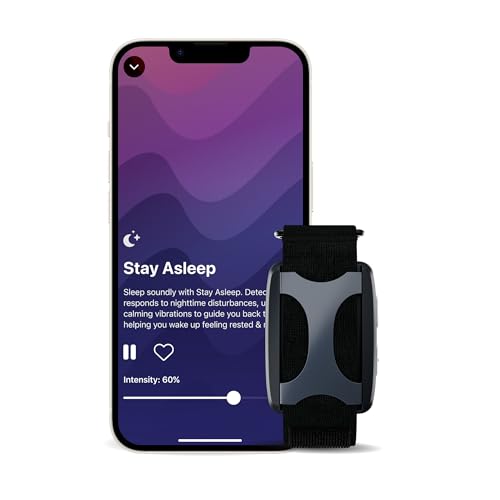
What to Look For in a Sleep & Recovery Tracker
The Oura Ring and Whoop are the most accurate consumer options for sleep stages and HRV; a smartwatch (Apple Watch, Garmin) works too if you'd rather not wear a ring. Prioritize validated HRV and sleep-stage tracking over step counts, check whether it needs a subscription (Whoop does), and pick something comfortable enough to wear every night.

What Makes a Good Magnesium Supplement
Form matters more than dose: magnesium glycinate and citrate absorb well and are gentle on the stomach, while cheap magnesium oxide is poorly absorbed. A typical supplemental dose is 200–400 mg of elemental magnesium (check the label — it's usually lower than the pill weight). Take it in the evening if you're using it for sleep, and pick a third-party-tested brand.


Related Articles
Evening Smartphone Use Delays Teen Sleep by Over an Hour
Teens who use smartphones past 10 p.m. fall asleep 64 minutes later and lose 20 minutes of total...
Read article RecoveryUniversity of Sydney Identifies Circadian Depression Subtype
A University of Sydney study identified a circadian depression subtype in 25 percent of...
Read article RecoveryMedical Cannabis Lacks Evidence for Insomnia in New Cochrane Review
A Cochrane systematic review of nine clinical trials found insufficient evidence to determine if...
Read article RecoveryPre-Surgery Physical Activity Linked to Lower Delirium Risk
A study presented at ANESTHESIOLOGY 2026 links weekly physical activity before tumor removal...
Read articleWant help fixing your sleep for real?
Opt Health treats sleep as a measurable system — cortisol rhythm, thyroid, testosterone, inflammation — and works the biology behind bad sleep with a physician, not a sleep-hygiene checklist.
See Opt Health's sleep program →Topic updates
Get the weekly recovery roundup
Sleep, HRV, fatigue, burnout, cortisol rhythm, sleep apnea, overtraining, and stress physiology.
Understand Your Health Better
Our free assessment maps your symptoms to the most relevant guides, tools, and product recommendations.
Take the Free Assessment →Free · Takes 5 minutes · Instant results
Affiliate disclosure: The Metabolic Journal is reader-supported. Some links above are affiliate or referral links and we may earn a commission at no extra cost to you. Products are chosen on the merits; commissions never influence what we recommend. This is general information, not medical advice — talk to your clinician before acting.