Astrocytes and memory consolidation during sleep: new clue
A mouse study in Neuron links a specific astrocyte gene program in the thalamus to sleep-related brain rhythms and memory performance.
What happened in the astrocytes and memory consolidation during sleep study
A new Neuron paper reports that astrocytes can directly regulate brain circuits involved in memory consolidation during sleep, not only “support” neurons.
Researchers at Baylor College of Medicine and collaborators focused on how astrocyte roles in sleep may help the brain store memories, and traced a key effect to a specific thalamic region called the thalamic reticular nucleus (TRN).
- Journal/source: Neuron (2026), DOI: 10.1016/j.neuron.2026.07.025
- Main claim from the study write-up: astrocytes directly regulate sleep-related circuits that support memory consolidation
- Why the authors say it matters: potential relevance to epilepsy, Alzheimer’s disease, and other memory-related disorders (implications, not proof of benefit)
What the evidence actually shows (study type, model, and mechanism)
This was an animal study in mice where the team knocked out the Nfix gene only in mature astrocytes across the brain and then examined astrocyte shape, sleep-related brain activity, and memory-related behaviors.
They found a region-specific structural change: astrocytes became less complex only in the TRN, with shorter processes and fewer branches, while astrocytes in the hippocampus, olfactory bulb, brainstem, and spinal cord did not show significant differences.
- Intervention: Nfix gene deletion in mature astrocytes (mouse model)
- Region-specific finding: reduced astrocyte shape complexity only in TRN astrocytes
- Sleep: mice kept relatively normal sleep patterns overall, but showed altered sleep-associated brain oscillations
Astrocytes and memory consolidation during sleep: what changed in behavior
The mice with Nfix loss in mature astrocytes showed memory problems across several behavioral tasks that assess working memory, object recognition, and spatial memory.
The write-up reports the deficits were not accompanied by broad changes in movement, anxiety, depression-like behavior, or sensory processing, which the authors interpret as a more specific impact on memory-related functions tied to sleep rather than generalized dysfunction.
- Reported affected domains: working memory, object recognition, spatial memory
- Reported unaffected domains: movement, anxiety, depression-like behavior, sensory processing (no widespread deficits described)
- Interpretation offered: altered sleep-linked neural activity may be connected to impaired memory consolidation
How astrocytes may regulate sleep-linked circuits (the GABA pathways)
The authors traced the effect to two GABA-related pathways that they describe as important for astrocyte–neuron communication in this circuit.
They report that Nfix coordinates a MAOB-dependent pathway for GABA synthesis and a P2RX7-dependent pathway for GABA release; without Nfix, levels of both proteins drop, astrocytes synthesize and release less GABA, tonic inhibition weakens, TRN neural activity becomes disrupted, and memory consolidation is impaired.
- Two parallel pathways named: MAOB (GABA synthesis) and P2RX7 (GABA release)
- Downstream effect described: reduced astrocyte GABA → weaker tonic inhibition in thalamic neurons
- Circuit consequence described: disrupted TRN activity associated with impaired memory consolidation
Practical context for metabolic health and recovery (what this adds, and what it doesn’t)
For people tracking metabolic health, this study adds a mechanistic clue about recovery: the biology of sleep-dependent memory consolidation may hinge on astrocyte control of inhibitory “tuning” in specific thalamic circuits, not only on neuron-to-neuron signaling.
It does not test any diet, supplement, glucose-lowering plan, or sleep intervention, and it does not claim that changing metabolic markers will alter astrocyte signaling; instead, it helps explain why “sleep quality” can matter for learning and memory in ways that are not captured by sleep duration alone.
- Use this as a framework for questions to discuss with a clinician if memory or sleep problems are persistent, especially in conditions linked to memory issues (the paper mentions epilepsy and Alzheimer’s disease as areas of possible relevance).
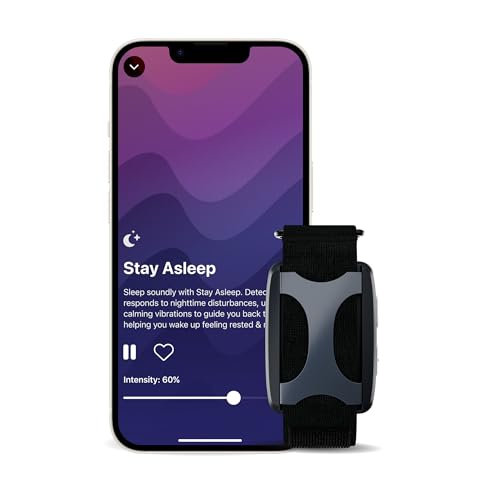
- If you use wearables for recovery, remember they estimate sleep stages and timing; this study’s focus on brain oscillations and TRN circuitry highlights that neural sleep quality can differ even when sleep patterns look “normal.”
What to Look For in a Sleep & Recovery Tracker
The Oura Ring and Whoop are the most accurate consumer options for sleep stages and HRV; a smartwatch (Apple Watch, Garmin) works too if you'd rather not wear a ring. Prioritize validated HRV and sleep-stage tracking over step counts, check whether it needs a subscription (Whoop does), and pick something comfortable enough to wear every night.

What Makes a Good Magnesium Supplement
Form matters more than dose: magnesium glycinate and citrate absorb well and are gentle on the stomach, while cheap magnesium oxide is poorly absorbed. A typical supplemental dose is 200–400 mg of elemental magnesium (check the label — it's usually lower than the pill weight). Take it in the evening if you're using it for sleep, and pick a third-party-tested brand.


Related Articles
Low Vitamin D Linked to Higher Pain After Breast Cancer Surgery
A study of 184 mastectomy patients found vitamin D deficiency tripled the likelihood of moderate...
Read article RecoveryREM and Deep Sleep Linked to Lower Disease Risk in Large Study
A PLOS Medicine study of 95,559 adults links higher REM and deep sleep to lower risks of type 2...
Read article RecoveryHinoki Root Essential Oil Improved Sleep Markers in a Small Trial
A Kyushu University pilot study found hinoki root essential oil improved sleep onset brain waves...
Read article RecoveryDeep Sleep Loss Linked to Frontal Cortex Tau Buildup in New Study
A Nature Neuroscience study links disrupted non-REM slow brain waves to tau protein buildup in...
Read articlePartner · Opt Health
Want help fixing your sleep for real?
Opt Health treats sleep as a measurable system — cortisol rhythm, thyroid, testosterone, inflammation — and works the biology behind bad sleep with a physician, not a sleep-hygiene checklist.
See Opt Health's sleep program →Topic updates
Get the weekly recovery roundup
Sleep, HRV, fatigue, burnout, cortisol rhythm, sleep apnea, overtraining, and stress physiology.
Understand Your Health Better
Our free assessment maps your symptoms to the most relevant guides, tools, and product recommendations.
Take the Free Assessment →Free · Takes 5 minutes · Instant results
Affiliate disclosure: The Metabolic Journal is reader-supported. Some links above are affiliate or referral links and we may earn a commission at no extra cost to you. Products are chosen on the merits; commissions never influence what we recommend. This is general information, not medical advice — talk to your clinician before acting.