Ozempic Fatigue: Why GLP-1s Make You Tired & What Helps
Medically reviewed by Medical Advisory Board Last reviewed 2026-07-17
The three mechanisms behind semaglutide tiredness — eating less, missing nutrients, and disrupted sleep — plus when it fades and when to call your prescriber
Fatigue on Ozempic is common and usually traces to three fixable causes: a large calorie deficit, low intake of key nutrients like protein, iron, and B vitamins, and sleep disrupted by nausea or reflux. For most people it is worst during dose increases and improves as the body adjusts. Persistent, severe, or worsening fatigue — especially with dizziness, dehydration, or signs of low blood sugar — is a reason to call your prescriber, not push through.
Fatigue is one of the most commonly reported side effects of Ozempic (semaglutide) and other GLP-1 drugs. In most cases, there's an identifiable, fixable cause. The drug itself isn't a sedative. Instead, people feel tired mostly because of how it affects appetite: you eat far less, sometimes abruptly, which can affect your energy intake, nutrient intake, hydration, and sleep all at once.
That's actually good news: Ozempic fatigue usually responds to practical changes, more protein, better hydration, smarter meal timing, and patience through dose escalation, rather than requiring you to stop a medication that's working. This guide covers the three main mechanisms, the typical timeline, what helps, and the warning signs that mean you should call your prescriber instead of pushing through. For the bigger picture on what semaglutide does and the results to expect, see our Ozempic weight loss guide.
Partner · Opt Health
Want medical weight loss instead of another diet?
Opt Health prescribes and monitors GLP-1 therapy against real labs — insulin, A1C, lipids, thyroid, hormones — so the plan fits your physiology rather than a generic protocol. Medication ships to your door.
See Opt Health's weight-loss program →Why Does Ozempic Cause Fatigue?
Ozempic causes fatigue mainly through three indirect pathways: a sudden calorie deficit, reduced intake of energy-critical nutrients, and disrupted sleep — not through any direct sedative effect of semaglutide on the brain. Understanding which pathway applies to you matters, because each has a different fix.
- The calorie deficit itself. GLP-1 drugs work by suppressing appetite, and many people go from their usual intake to a much smaller one within weeks. Your body runs on that fuel. A steep, abrupt deficit commonly produces tiredness, low motivation, and reduced exercise tolerance — the same fatigue people report on any aggressive diet, amplified because the appetite suppression makes it easy to under-eat without noticing.
- Micronutrient and protein shortfall. Eating much less food means eating fewer nutrients, and the ones that matter most for energy — protein, iron, vitamin B12 and other B vitamins, and electrolytes — are exactly the ones that get squeezed when meals shrink. Low protein intake also accelerates muscle loss during rapid weight loss, which compounds tiredness over months. Deficiency takes time to develop, so this cause tends to show up later than deficit-driven fatigue.
- Sleep disruption. Nausea, reflux, and delayed stomach emptying — all common GLP-1 side effects — can fragment sleep, especially after evening meals. Some people also report vivid dreams or restless nights during dose changes. Poor sleep then reads as daytime fatigue that gets blamed on the drug directly.
A fourth, less common pathway deserves its own mention: low blood sugar. Semaglutide alone rarely causes hypoglycemia, but combined with insulin or a sulfonylurea it can. Shakiness, sweating, and sudden exhaustion that improves with food points there — and that combination is a medication-adjustment conversation with your prescriber, not a push-through situation.
How Long Does Ozempic Fatigue Last?
For most people, Ozempic fatigue is worst in the first weeks after starting and after each dose increase, then improves as the body adjusts — typically over a few weeks at a stable dose, though individual experiences vary widely. That pattern mirrors the other GI side effects: the standard titration schedule raises the dose stepwise precisely because side effects cluster around each escalation and tend to settle between them.
Fatigue that follows a different pattern deserves more attention:
- Fatigue that persists for months at a stable dose suggests an ongoing cause — usually chronic under-eating, a nutrient shortfall worth testing for, or disrupted sleep — rather than simple adjustment.
- Fatigue that worsens over time instead of improving is a signal to look for something else: iron deficiency, B12 deficiency, thyroid issues, dehydration, or an unrelated condition that deserves its own workup.
- Fatigue plus ongoing weight-loss stall often shares a root cause — metabolic adaptation and muscle loss — covered in our GLP-1 plateau guide.
One honest caveat: there is no precise published figure for how long GLP-1 fatigue lasts on average. The timeline above reflects the commonly reported pattern, and your prescriber's guidance for your situation beats any general rule.
What Helps: Fixing the Fixable Causes
The most effective fixes for Ozempic fatigue target the specific mechanism driving yours — fuel, nutrients, or sleep. Work through them in order of likelihood:
- Anchor every day around protein. When appetite is suppressed, protein is the nutrient most worth protecting — it preserves muscle during rapid weight loss and is more satiating per calorie. Eat the protein portion of each meal first, before the appetite shuts off. If solid food is hard, a protein shake counts.
- Do not let the deficit get extreme. Appetite suppression can quietly push intake very low. If you are exhausted and barely eating, the fix is usually eating more — small, nutrient-dense meals on a schedule rather than waiting for hunger that no longer arrives.
- Hydrate and mind electrolytes. Reduced food and fluid intake plus any nausea or vomiting can leave you mildly dehydrated, which reads as fatigue and lightheadedness. Water first; an electrolyte drink can help on rough days.
- Protect sleep from GI side effects. Keep evening meals small and earlier, avoid rich or fatty food at night, and raise the head of the bed if reflux wakes you. If nausea is the sleep-breaker, talk to your prescriber about timing and anti-nausea options.
- Keep moving — gently. Counterintuitively, light activity and resistance training usually improve energy within a few weeks and protect the muscle that rapid weight loss erodes. Start smaller than feels necessary and build.
- Test rather than guess if it drags on. A basic panel — iron/ferritin, B12, thyroid, and glucose — is a reasonable ask when fatigue persists at a stable dose despite the fixes above. Bring the results conversation to your prescriber.
When to Call Your Prescriber
Call your prescriber promptly if fatigue is severe, worsening, or comes with warning signs — do not wait for the next scheduled appointment. The clearest red flags:
- Signs of low blood sugar — shakiness, sweating, confusion, sudden exhaustion relieved by eating — especially if you also take insulin or a sulfonylurea.
- Signs of dehydration — dizziness on standing, very dark urine, inability to keep fluids down. Persistent vomiting on a GLP-1 can escalate quickly and sometimes needs medical attention.
- Severe abdominal pain that does not pass, with or without vomiting — pancreatitis is rare but is the emergency the labeling warns about, and fatigue can accompany it.
- Fatigue with mood change. Low mood, loss of interest, or depressive symptoms alongside exhaustion deserve their own conversation — do not fold them into 'just tired'.
- Fatigue that is simply not livable. Dose reduction, a slower titration, or switching agents are all legitimate options your prescriber can offer. Stopping abruptly on your own usually means appetite and weight rebound — see our Ozempic weight regain guide for why that matters.
None of this is cause for alarm in the common case. Most Ozempic fatigue is the predictable cost of eating much less, and it responds to the fixes above. The red-flag list exists for the minority of cases where it is something more.
Fatigue vs. a Plateau: Related but Different Problems
Fatigue and a weight-loss plateau often arrive together on GLP-1 therapy because they share drivers — metabolic adaptation, muscle loss, and chronic under-fueling — but they call for slightly different responses. Fatigue is fixed mostly by fueling better: more protein, adequate calories, hydration, sleep. A plateau is addressed by the levers in our GLP-1 plateau guide: resistance training, dose review, and honest intake tracking.
The overlap is muscle. Losing lean mass during rapid weight loss lowers both your energy and your metabolic rate, feeding both problems at once. That is why resistance training plus protein shows up as the answer to both — it is the single intervention that protects energy, strength, and long-term results simultaneously. If you are tired, stalled, and losing strength, treat muscle preservation as the priority and the rest tends to follow.
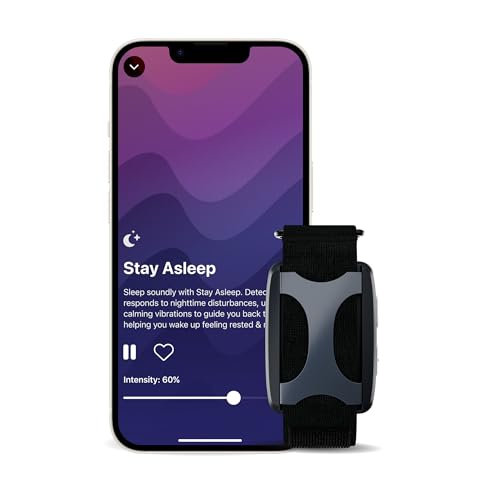
What to Look For in a Sleep & Recovery Tracker
The Oura Ring and Whoop are the most accurate consumer options for sleep stages and HRV; a smartwatch (Apple Watch, Garmin) works too if you'd rather not wear a ring. Prioritize validated HRV and sleep-stage tracking over step counts, check whether it needs a subscription (Whoop does), and pick something comfortable enough to wear every night.

What Makes a Good Magnesium Supplement
Form matters more than dose: magnesium glycinate and citrate absorb well and are gentle on the stomach, while cheap magnesium oxide is poorly absorbed. A typical supplemental dose is 200–400 mg of elemental magnesium (check the label — it's usually lower than the pill weight). Take it in the evening if you're using it for sleep, and pick a third-party-tested brand.


Frequently Asked Questions
Does Ozempic make you tired?
It can. Fatigue is a commonly reported side effect of semaglutide, usually caused indirectly — by the large drop in food intake, by missing nutrients like protein, iron, and B vitamins, or by sleep disrupted by nausea and reflux — rather than by any sedative effect of the drug itself. It is typically worst during dose increases and improves as the body adjusts.
How long does Ozempic fatigue last?
Most people find it peaks in the first weeks after starting or raising the dose and settles over a few weeks at a stable dose, though experiences vary and there is no precise published average. Fatigue that persists for months, worsens over time, or comes with dizziness, low-blood-sugar symptoms, or mood changes warrants a call to your prescriber and possibly basic labs — iron, B12, thyroid, and glucose.
What helps with fatigue on Ozempic?
Eat protein first at every meal, avoid letting the calorie deficit get extreme, hydrate well with attention to electrolytes, keep evening meals small to protect sleep, and do light resistance training to preserve muscle. If fatigue persists despite those fixes, ask your prescriber about labs, a slower dose titration, or a dose adjustment rather than stopping on your own.
Can Ozempic cause low blood sugar and tiredness?
On its own, semaglutide rarely causes true hypoglycemia. Combined with insulin or a sulfonylurea, low blood sugar becomes a real risk — sudden exhaustion with shakiness, sweating, or confusion that improves after eating is the tell. That combination calls for a medication-adjustment conversation with your prescriber, and urgent care if symptoms are severe.
Should I stop Ozempic if I am exhausted?
Not on your own. Most Ozempic fatigue is fixable with fueling, hydration, and sleep changes, and stopping abruptly usually brings appetite and weight back. If the fatigue is not livable, your prescriber can reduce the dose, slow the titration, or switch agents — all better first moves than quitting outright. Severe fatigue with red flags like persistent vomiting, severe abdominal pain, or depression symptoms warrants prompt medical attention.
Topic updates
Get the weekly metabolic health roundup
Insulin resistance, blood sugar, visceral fat, GLP-1 plateaus, metabolic syndrome, and weight-loss physiology.
Want weight loss handled by a physician who works from your labs? See how Opt Health does it →
Check Where You Stand
Take our free health assessment to understand your metabolic, hormonal, and recovery risk factors — and get personalized recommendations.
Take the Free Assessment →Free · Takes 5 minutes · Instant results
Related Guides
-
Ozempic and GLP-1 for Weight Loss: Results, Timelines, and What to Expect
Ozempic results, timelines, side effects, and what to do when it stops working.
-
Ozempic Dosage and Timeline: the FDA-label Schedule
Ozempic dosage and timeline: the FDA-label escalation schedule and what to expect week by week.
-
How to Get Prescribed Ozempic for Weight Loss: Eligibility, Costs, and Safer Next Steps
Prescription eligibility, insurance friction, and safer metabolic next steps for Ozempic weight-loss seekers.
See more related guides
-
Does Insurance Cover Ozempic? Coverage Rules, Medicare Status, Savings Programs, and Costs
Does insurance cover Ozempic? Coverage rules, Medicare status, savings programs, and costs.
-
Ozempic Weight Regain: What Happens When You Stop and How to Minimize It
SURMOUNT-4 trial data, mechanism of regain, and lifestyle strategies to preserve results.
-
Ozempic Loose Skin: Causes, Risk Factors, and Prevention Strategies
Who is at risk, collagen strategies, timeline, and when to consider interventions.
-
Ozempic and Alcohol: Safety, Interactions, and What to Know
Interaction mechanism, nausea and blood sugar risks, and harm reduction guidance.
-
Ozempic Bone Density
GLP-1 drugs and bone density: what the evidence shows about lean-mass loss, who is at risk, and how to protect bone.
Affiliate disclosure: The Metabolic Journal is reader-supported. Some links above are affiliate or referral links and we may earn a commission at no extra cost to you. As an Amazon Associate we earn from qualifying purchases. Products are chosen on the merits; commissions never influence what we recommend. This is general information, not medical advice — talk to your clinician before acting.