Workout or Nap Improved Memory After 30 Hours Without Sleep
In a lab study of healthy young adults, 20 minutes of cycling or a 90-minute nap reduced memory loss after sleep deprivation by a similar amount.
What Happened
A McGill University-led study reported that a short workout or a nap helped protect memory after a sleepless night.
Researchers found that people who did 20 minutes of moderate-to-vigorous exercise or took a 90-minute nap performed about 22% better on memory tests after 30 hours without sleep than people who did neither.
- Source: https://medicalxpress.com/news/2026-08-workout-nap-sleepless-brain.html
- Journal: Proceedings of the National Academy of Sciences (PNAS), DOI: 10.1073/pnas.2528246123
What The Evidence Shows (Study Type And Who It Applies To)
The evidence comes from a lab study in 54 healthy young adults who stayed awake for 30 consecutive hours under supervision and were then assigned to one of three groups: 20 minutes of cycling, a 90-minute nap, or a control condition.
Three days later, the researchers tested episodic memory for images viewed immediately after the intervention. The exercise and nap groups remembered significantly more images than the control group.
- Design described as: three lab visits over about 1.5 weeks, with a fitness assessment, sleep-deprivation visit with EEG during encoding, and a later memory test with EEG
- Control condition: 20 minutes sitting on a bike (no exercise)
Exercise And Napping Look Similar On Tests, But Not In The Brain Data
The study reported that the memory benefits were nearly identical for exercise and napping, but brain recordings suggested different mechanisms.
According to the report, napping appeared to help the brain “recharge,” making it easier to take in and remember new information. Exercise appeared to help the brain use remaining resources more efficiently without making participants feel more tired.
Why This Matters For Recovery And Metabolic Health
Sleep loss is common and can affect thinking and function, which can complicate day-to-day recovery habits that support metabolic health, such as planning meals, following through on activity, and staying safe while driving or working.
The researchers framed the findings as practical fatigue-management options for settings where sleep loss is common and errors can carry serious consequences, including health care, transportation, and emergency response.
- A nap is not always possible “in the middle of a shift,” the authors noted, while exercise may be more accessible in some settings
- The authors emphasized that exercise cannot replace sleep, but may help people function better when adequate rest is not possible
Limitations And What The Study Does Not Show
These results were observed in healthy young adults under controlled lab conditions after 30 hours of total sleep deprivation, and the study tested memory for images in a specific recognition task.
The report does not establish how well the same approach would work for other age groups, people with medical conditions, or people experiencing more typical real-world sleep restriction over many nights rather than a single prolonged period awake.
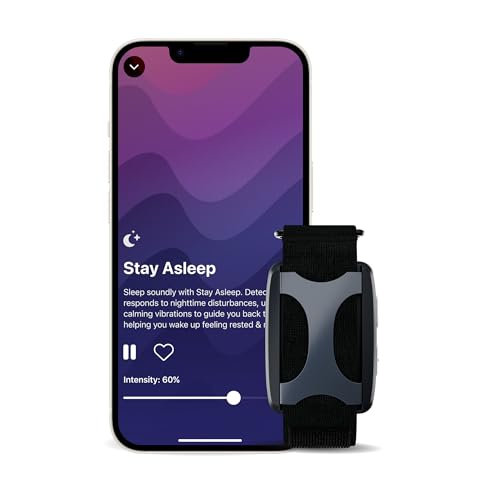
What to Look For in a Sleep & Recovery Tracker
The Oura Ring and Whoop are the most accurate consumer options for sleep stages and HRV; a smartwatch (Apple Watch, Garmin) works too if you'd rather not wear a ring. Prioritize validated HRV and sleep-stage tracking over step counts, check whether it needs a subscription (Whoop does), and pick something comfortable enough to wear every night.

What Makes a Good Magnesium Supplement
Form matters more than dose: magnesium glycinate and citrate absorb well and are gentle on the stomach, while cheap magnesium oxide is poorly absorbed. A typical supplemental dose is 200–400 mg of elemental magnesium (check the label — it's usually lower than the pill weight). Take it in the evening if you're using it for sleep, and pick a third-party-tested brand.


Related Articles
Low Vitamin D Linked to Higher Pain After Breast Cancer Surgery
A study of 184 mastectomy patients found vitamin D deficiency tripled the likelihood of moderate...
Read article RecoveryREM and Deep Sleep Linked to Lower Disease Risk in Large Study
A PLOS Medicine study of 95,559 adults links higher REM and deep sleep to lower risks of type 2...
Read article RecoveryHinoki Root Essential Oil Improved Sleep Markers in a Small Trial
A Kyushu University pilot study found hinoki root essential oil improved sleep onset brain waves...
Read article RecoveryDeep Sleep Loss Linked to Frontal Cortex Tau Buildup in New Study
A Nature Neuroscience study links disrupted non-REM slow brain waves to tau protein buildup in...
Read articlePartner · Opt Health
Want help fixing your sleep for real?
Opt Health treats sleep as a measurable system — cortisol rhythm, thyroid, testosterone, inflammation — and works the biology behind bad sleep with a physician, not a sleep-hygiene checklist.
See Opt Health's sleep program →Topic updates
Get the weekly recovery roundup
Sleep, HRV, fatigue, burnout, cortisol rhythm, sleep apnea, overtraining, and stress physiology.
Understand Your Health Better
Our free assessment maps your symptoms to the most relevant guides, tools, and product recommendations.
Take the Free Assessment →Free · Takes 5 minutes · Instant results
Affiliate disclosure: The Metabolic Journal is reader-supported. Some links above are affiliate or referral links and we may earn a commission at no extra cost to you. Products are chosen on the merits; commissions never influence what we recommend. This is general information, not medical advice — talk to your clinician before acting.