Wearable sensors for blood pressure monitoring in ICU care
Johns Hopkins researchers report early ICU tests of a chest-and-finger sensor system plus AI that generates continuous blood pressure waveforms without an arterial line.
What happened in wearable sensors for blood pressure monitoring
Johns Hopkins University researchers reported that wearable sensors paired with AI can generate continuous blood pressure readings nearly as accurately as the invasive arterial lines often used in intensive care units (ICUs) and operating rooms.
The work, published in Computers in Biology and Medicine, describes a system called MOSAIC that uses two sensors—one on the chest and one on a finger—to capture heart electrical activity and blood flow signals, then uses a deep learning model to generate a continuous blood-pressure waveform.
The researchers say successful initial patient testing suggests the approach could become an alternative to arterial catheters, potentially extending continuous arterial blood pressure monitoring beyond ICU settings over time.
- System name: MOSAIC
- Sensors: chest + finger
- Output: AI-generated blood pressure waveform (continuous readout over time)
What the evidence shows (and who it applies to)
The evidence so far comes from an initial study in 28 patients in the intensive care unit at Johns Hopkins Hospital, where MOSAIC-generated waveforms closely matched those recorded by traditional arterial catheters.
This is early clinical validation in critically ill ICU patients, not a general-population consumer wearable study, and the results are presented as “very close” to the arterial-line “gold standard,” not a replacement in routine practice yet.
The team reports they are now validating the sensors and algorithm in a larger cohort of Johns Hopkins ICU patients.
- Study setting: ICU at Johns Hopkins Hospital
- Study size: 28 ICU patients (initial study)
- Comparator: traditional arterial catheter waveforms
- Next step stated by authors: validation in a larger ICU cohort
Why ICU blood pressure monitoring matters for recovery
In intensive care, blood pressure can fluctuate significantly, and clinicians use continuous monitoring to catch problems early when patients are unstable.
The source notes that blood pressure that is too high can lead to stroke, heart attacks, and kidney damage, while blood pressure that is too low can mean not enough blood reaches the brain and vital organs.
Today’s continuous “standard” is an arterial line, which works very well but is invasive and carries risks of bleeding, clotting, and infection, and it can limit mobility; standard arm cuffs are non-invasive but typically provide intermittent readings.
- Arterial line: continuous, real-time tracking but invasive and risk-bearing
- Arm cuff: non-invasive but intermittent readings
- Wearable approach goal: continuous waveform without an arterial catheter
What this could mean for metabolic health outside the ICU
The researchers say a longer-term goal is continuous blood pressure monitoring in a wider range of settings, including regular hospital wards and at home.
They also suggest a potential future use for people with hypertension to continuously track blood pressure more like how wearable glucose monitors track glucose for diabetes, and they note this could also help study day-to-day blood pressure fluctuations in healthy people during normal life.
For readers focused on metabolic health and recovery, the near-term relevance is that hospital-grade non-invasive monitoring could, if validated, reduce reliance on invasive lines during acute illness—while longer-term uses in hypertension monitoring remain a research vision rather than established care.
- Potential future settings named by authors: hospital wards and home
- Potential future populations named: people with hypertension and healthy people
- Key output emphasized: continuous trends (waveform), not just spot checks
Limitations and caveats to keep in mind
These findings are based on early ICU testing and are described as “initial patient tests,” so performance in broader patient groups and real-world workflows still needs validation.
The system’s readings are generated by a deep learning model from chest and finger signals, which means accuracy will depend on how well the model generalizes across different patients and conditions; the team is continuing validation in a larger cohort.
The article does not report long-term at-home results, consumer-device performance, or clinical outcomes (such as fewer complications), so it is too soon to assume it will replace arterial lines or change hypertension care.
- Early-stage clinical evidence: initial ICU cohort (28 patients)
- Not yet shown: broad generalizability, at-home performance, or outcome benefits
- Ongoing work stated: larger ICU validation study
What to Look For in a Blood Pressure Monitor
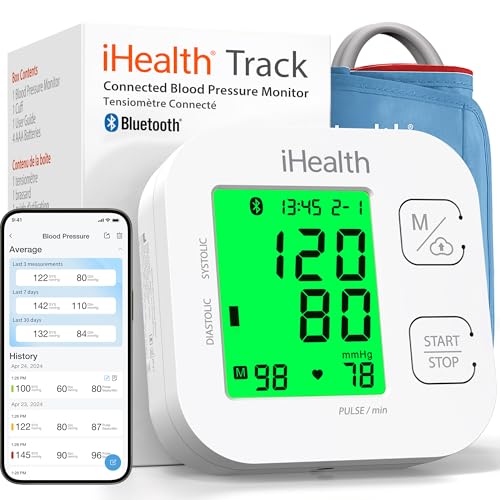
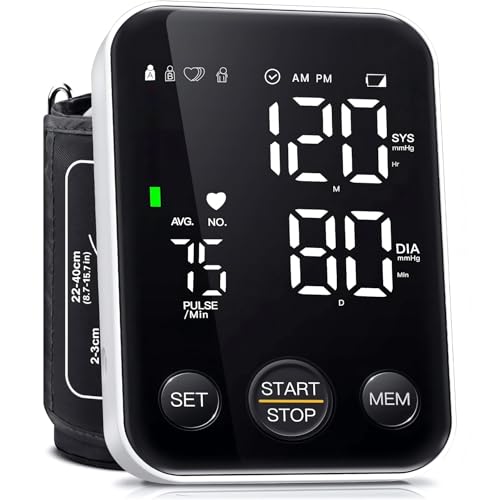
An upper-arm cuff is more accurate than a wrist model. Pick a clinically validated device with a cuff sized to your arm, and take readings seated after five minutes of rest. Models that store readings or sync to an app make it easy to share trends with your doctor.
Related Articles
Low Vitamin D Linked to Higher Pain After Breast Cancer Surgery
A study of 184 mastectomy patients found vitamin D deficiency tripled the likelihood of moderate...
Read article RecoveryREM and Deep Sleep Linked to Lower Disease Risk in Large Study
A PLOS Medicine study of 95,559 adults links higher REM and deep sleep to lower risks of type 2...
Read article RecoveryHinoki Root Essential Oil Improved Sleep Markers in a Small Trial
A Kyushu University pilot study found hinoki root essential oil improved sleep onset brain waves...
Read article RecoveryDeep Sleep Loss Linked to Frontal Cortex Tau Buildup in New Study
A Nature Neuroscience study links disrupted non-REM slow brain waves to tau protein buildup in...
Read articlePartner · Opt Health
Want a clinician to work up your metabolic numbers?
Opt Health runs fasting insulin, A1C, a full lipid panel and 50+ other markers, then builds a treatment plan — GLP-1s included where they're appropriate — with a physician who reviews the data with you directly.
See Opt Health's metabolic program →Topic updates
Get the weekly recovery roundup
Sleep, HRV, fatigue, burnout, cortisol rhythm, sleep apnea, overtraining, and stress physiology.
Understand Your Health Better
Our free assessment maps your symptoms to the most relevant guides, tools, and product recommendations.
Take the Free Assessment →Free · Takes 5 minutes · Instant results
Affiliate disclosure: The Metabolic Journal is reader-supported. Some links above are affiliate or referral links and we may earn a commission at no extra cost to you. Products are chosen on the merits; commissions never influence what we recommend. This is general information, not medical advice — talk to your clinician before acting.