Sleep disturbances tied to genetic Alzheimer’s risk in study
More frequent micro-awakenings during sleep were linked to higher polygenic risk for Alzheimer’s disease in healthy late-middle-aged adults.
What happened
A person’s sleep patterns could offer an early sign of Alzheimer’s disease, according to a new study reported in the journal Sleep.
Researchers found that a greater number of “micro-awakenings” during sleep was linked to a higher genetic risk for developing Alzheimer’s, even before any memory problems appear.
Sleep disturbances and Alzheimer’s risk: what the evidence shows
The evidence comes from research in which investigators tracked sleep in more than 500 healthy people using brain recordings to capture how often brief arousals occurred during the night.
They then compared the frequency of these micro-awakenings with each person’s genetic risk score for Alzheimer’s disease and reported that more frequent micro-awakenings “go hand in hand” with higher genetic risk long before memory problems arise.
- Micro-awakenings were defined as brief periods of brain activity that do not fully wake a person but can disrupt the sleep cycle.
- The association was reported in late-middle-aged adults with an average age of 59.
- The same pattern was not observed among younger adults.
A possible brain link researchers are watching
The study team suspects the pattern could involve the locus coeruleus, a tiny brainstem region involved in wakefulness, attention, and sleep regulation.
They noted the locus coeruleus is among the first brain regions where abnormal protein deposits linked to Alzheimer’s start to appear, sometimes as early as the teen years, and that it is closely linked to sleep quality.
- Researchers described the locus coeruleus as about the size of a grain of rice.
- Because the region is difficult to observe, the proposed connection is a hypothesis rather than proof of a mechanism.
Why this matters for metabolic-health and recovery routines
For people focused on metabolic health, the finding adds to the idea that sleep quality is not just “rest,” but a measurable part of long-term brain health signals that may show up years before symptoms.
The researchers suggested that sleep could become an accessible marker for identifying people who may be more vulnerable, which could affect how clinicians and researchers think about monitoring sleep as part of healthy aging.
- The specific sleep feature highlighted here is micro-awakenings captured by brain recordings, not simply feeling “tired.”
- The association was reported in healthy late-middle-aged adults, not in younger adults, in this study.
Limitations and what the study does not prove
The researchers emphasized their study does not show a direct cause-and-effect link between sleep problems and Alzheimer’s disease.
More research is needed to understand why micro-awakenings track with genetic risk and whether changing sleep patterns would alter vulnerability or long-term outcomes.
- This report describes an association with a polygenic (genetic) risk score, not a diagnosis or certainty of developing Alzheimer’s.
- The findings focus on micro-awakenings measured with brain recordings and may not translate directly to consumer sleep metrics.
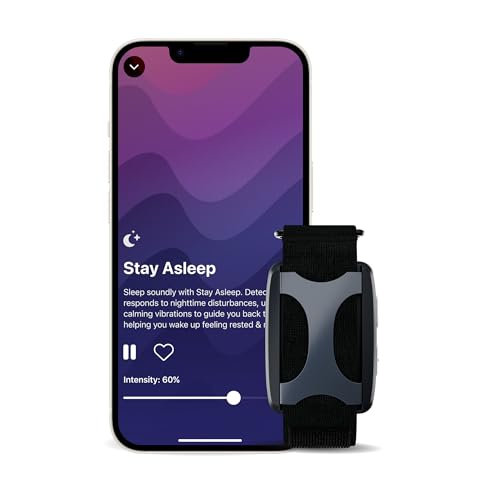
What to Look For in a Sleep & Recovery Tracker
The Oura Ring and Whoop are the most accurate consumer options for sleep stages and HRV; a smartwatch (Apple Watch, Garmin) works too if you'd rather not wear a ring. Prioritize validated HRV and sleep-stage tracking over step counts, check whether it needs a subscription (Whoop does), and pick something comfortable enough to wear every night.

What Makes a Good Magnesium Supplement
Form matters more than dose: magnesium glycinate and citrate absorb well and are gentle on the stomach, while cheap magnesium oxide is poorly absorbed. A typical supplemental dose is 200–400 mg of elemental magnesium (check the label — it's usually lower than the pill weight). Take it in the evening if you're using it for sleep, and pick a third-party-tested brand.


Related Articles
Low Vitamin D Linked to Higher Pain After Breast Cancer Surgery
A study of 184 mastectomy patients found vitamin D deficiency tripled the likelihood of moderate...
Read article RecoveryREM and Deep Sleep Linked to Lower Disease Risk in Large Study
A PLOS Medicine study of 95,559 adults links higher REM and deep sleep to lower risks of type 2...
Read article RecoveryHinoki Root Essential Oil Improved Sleep Markers in a Small Trial
A Kyushu University pilot study found hinoki root essential oil improved sleep onset brain waves...
Read article RecoveryDeep Sleep Loss Linked to Frontal Cortex Tau Buildup in New Study
A Nature Neuroscience study links disrupted non-REM slow brain waves to tau protein buildup in...
Read articlePartner · Opt Health
Want help fixing your sleep for real?
Opt Health treats sleep as a measurable system — cortisol rhythm, thyroid, testosterone, inflammation — and works the biology behind bad sleep with a physician, not a sleep-hygiene checklist.
See Opt Health's sleep program →Topic updates
Get the weekly recovery roundup
Sleep, HRV, fatigue, burnout, cortisol rhythm, sleep apnea, overtraining, and stress physiology.
Understand Your Health Better
Our free assessment maps your symptoms to the most relevant guides, tools, and product recommendations.
Take the Free Assessment →Free · Takes 5 minutes · Instant results
Affiliate disclosure: The Metabolic Journal is reader-supported. Some links above are affiliate or referral links and we may earn a commission at no extra cost to you. Products are chosen on the merits; commissions never influence what we recommend. This is general information, not medical advice — talk to your clinician before acting.