Sleep and working life expectancy: midlife patterns matter
A large Finnish analysis links sleep disturbances and long sleep at 50+ with fewer months spent working between ages 50 and 68.
Sleep and working life expectancy: what’s new
A large study reports that healthy sleep patterns in midlife are linked to longer working life expectancy, defined as the average years a person is expected to remain working from age 50 to 68.
The analysis, published online in Occupational & Environmental Medicine, connects disturbed sleep and long sleep (9+ hours) after age 50 with fewer months of later workforce participation.
- The question: whether adequate, good-quality sleep might contribute to longer working careers.
- The outcome: workforce participation, based on linked pension register data.
- The focus age window: working life expectancy from 50 to 68.
Sleep and working life expectancy: what the evidence shows
This was an observational analysis using two Finnish cohorts: the Finnish Public Sector (FPS) study (70,339 public-sector employees, 2000–2016; 80% women) and the Health and Social Support (HeSSup) study (6,071 Finnish working-age adults, 1998–2013; 54% women).
Sleep information came from the first survey each participant completed after turning 50, including usual nightly sleep length and sleep disturbances during the prior four weeks; workforce participation was measured through the Earnings and Accrual Register maintained by the Finnish Centre for Pensions.
- Sleep length categories: short (<7 hours), mid-range (7–8½ hours), long (≥9 hours).
- Sleep disturbance categories: none (never to 1 night/week), moderate (2–4 nights/week), severe (5–6 nights/week to nearly every night).
- Compared with no sleep disturbances, moderate disturbances were linked to nearly 5 fewer working months and severe disturbances to 8 fewer working months, regardless of sex and job type.
- Working life expectancy estimates by disturbance level: no disturbances 13 years 5 months; moderate 13 years; severe 12 years 10 months.
- Long sleep (≥9 hours) at 50+ was linked to fewer working months vs 7–8½ hours: around 9 fewer months in FPS and just over 30 fewer months in HeSSup.
- No clear evidence of differences between mid-range and short sleep patterns across sex and job type.
Sleep and working life expectancy: who seems most affected
The study also points to a gap by socioeconomic position when sleep problems or long sleep are present, with differences observed between the most advantaged and most disadvantaged groups in both cohorts.
In FPS, the longest working life expectancy (nearly 14 years) at age 50 was among professional women with no sleep disturbances, while the shortest (nearly 12½ years) was among men in routine jobs with severe sleep disturbances.
- Between-group differences (advantaged vs disadvantaged) were about 1 year 5 months in FPS and 5 years in HeSSup.
- In FPS participants, short and mid-range sleep were both linked to 13 years 2 months of working life expectancy, while long sleep was linked to 12 years 5 months.
- Among 50-year-old FPS participants, the longest working life expectancy (around 13 years 7 months) was observed among men and women with professional jobs and short nightly sleep.
Why this matters for metabolic health and recovery
Sleep and working life expectancy are linked here through workforce participation, which can be shaped by health, disability, and early retirement—issues that also matter for long-term metabolic health and recovery routines.
For readers trying to protect metabolic health in midlife, the study adds a concrete working-life metric to the broader idea that persistent sleep disturbance—or consistently sleeping 9+ hours—may be a warning sign worth discussing with a clinician, especially if it is new or worsening.
- If you track recovery, note frequency-based disturbance patterns: the study’s “moderate” group reported issues 2–4 nights/week; “severe” was 5–6 nights/week to nearly every night.
- The association with long sleep (≥9 hours) suggests that “more sleep” is not always a marker of better recovery in this dataset.
- Work demands and job type mattered in observed extremes (professional vs routine jobs), which may affect schedule regularity and sleep opportunity.
Limitations and what the study can’t prove
This research was observational, so it cannot prove that changing sleep will extend a person’s working life; it shows associations between reported sleep patterns after age 50 and later workforce participation.
Sleep was captured by self-report from the first survey completed after turning 50, and disturbances were measured based on the preceding four weeks, which may not reflect long-term patterns.
- Findings come from Finnish cohorts (public-sector employees in FPS and a national sample in HeSSup), so results may not match other countries’ labor markets or retirement systems.
- The study reports “no clear evidence” of differences between short and mid-range sleep patterns, so the main signals were sleep disturbances and long sleep.
- Working life expectancy here is defined from age 50 to 68, so it does not address work beyond 68.
What to Look For in a Sleep & Recovery Tracker
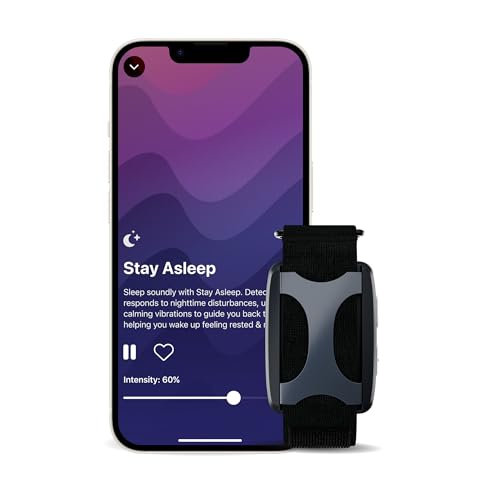
The Oura Ring and Whoop are the most accurate consumer options for sleep stages and HRV; a smartwatch (Apple Watch, Garmin) works too if you'd rather not wear a ring. Prioritize validated HRV and sleep-stage tracking over step counts, check whether it needs a subscription (Whoop does), and pick something comfortable enough to wear every night.

What Makes a Good Magnesium Supplement
Form matters more than dose: magnesium glycinate and citrate absorb well and are gentle on the stomach, while cheap magnesium oxide is poorly absorbed. A typical supplemental dose is 200–400 mg of elemental magnesium (check the label — it's usually lower than the pill weight). Take it in the evening if you're using it for sleep, and pick a third-party-tested brand.


Related Articles
Low Vitamin D Linked to Higher Pain After Breast Cancer Surgery
A study of 184 mastectomy patients found vitamin D deficiency tripled the likelihood of moderate...
Read article RecoveryREM and Deep Sleep Linked to Lower Disease Risk in Large Study
A PLOS Medicine study of 95,559 adults links higher REM and deep sleep to lower risks of type 2...
Read article RecoveryHinoki Root Essential Oil Improved Sleep Markers in a Small Trial
A Kyushu University pilot study found hinoki root essential oil improved sleep onset brain waves...
Read article RecoveryDeep Sleep Loss Linked to Frontal Cortex Tau Buildup in New Study
A Nature Neuroscience study links disrupted non-REM slow brain waves to tau protein buildup in...
Read articlePartner · Opt Health
Want help fixing your sleep for real?
Opt Health treats sleep as a measurable system — cortisol rhythm, thyroid, testosterone, inflammation — and works the biology behind bad sleep with a physician, not a sleep-hygiene checklist.
See Opt Health's sleep program →Topic updates
Get the weekly recovery roundup
Sleep, HRV, fatigue, burnout, cortisol rhythm, sleep apnea, overtraining, and stress physiology.
Understand Your Health Better
Our free assessment maps your symptoms to the most relevant guides, tools, and product recommendations.
Take the Free Assessment →Free · Takes 5 minutes · Instant results
Affiliate disclosure: The Metabolic Journal is reader-supported. Some links above are affiliate or referral links and we may earn a commission at no extra cost to you. Products are chosen on the merits; commissions never influence what we recommend. This is general information, not medical advice — talk to your clinician before acting.