Older Adults Show Distinct Brain Network Adaptation to Sleep Loss
Brain imaging reveals older adults reduce specific neural connections after acute sleep loss, while younger brains increase connectivity.
Opposite Brain Responses to Acute Sleep Deprivation
A study from Simon Fraser University (SFU) published in Imaging Neuroscience shows that healthy older brains respond differently to acute sleep loss than younger brains. Researchers examined how restricting sleep to three hours affected functional brain networks in younger adults aged 20 to 30 years compared with older adults aged 65 to 75 years.
The two age groups displayed opposite neural responses. In younger adults, specific brain connections showed increased connectivity after sleep restriction. In older adults, those identical connections showed decreased connectivity.
The Compensation Theory and Neural Efficiency
Lead researcher Josh Neudorf, an affiliate member of the Institute for Neuroscience and Neurotechnology (INN) at Simon Fraser University (SFU), reported that decreased connectivity in older adults promoted more modular brain organization. This modular pattern allows the brain to operate with greater efficiency to support cognitive function under acute strain.
Conversely, the higher connectivity observed in younger brains suggests that younger neural networks must work harder to preserve basic function after lost sleep. Investigators noted that this pattern aligns with the compensation theory of aging, which posits that older brains reorganize their network activity to adapt as baseline sleep architecture naturally changes over time.
Metabolic and Neurological Risks of Chronic Sleep Loss
The authors stressed that these acute neural adaptations do not make sleep restriction healthy for older adults. While older individuals may experience less acute impairment from a single night of restricted sleep, persistent sleep deficits carry documented metabolic and systemic risks across a lifespan.
Co-author Brianne Kent, Canada Research Chair in Translational Neuroscience and Dementia at Simon Fraser University (SFU), noted that chronic sleep disruption alters the clearance of toxic waste products. In particular, amyloid beta proteins accumulate in neural tissue over an average of 20 years before dementia symptoms appear, and sleep is required to clear these proteins efficiently.
- Impaired glucose regulation and increased risk of type 2 diabetes
- Higher long-term incidence of hypertension and cardiovascular disease
- Elevated risk of weight problems and colorectal cancer
- Reduced clearance rate of amyloid beta plaques linked to Alzheimer's disease
Study Limitations and Clinical Context
This study evaluated brain network activity using neuroimaging rather than direct behavioral or cognitive performance testing. As a result, the imaging data describe functional reorganization during acute sleep restriction, but they do not prove that cognitive output remains completely unimpaired in practical tasks.
The trial assessed an acute sleep challenge of three hours in healthy participants and did not measure the compounding effects of ongoing, multi-night sleep restriction. Individuals managing metabolic conditions should view sleep as a necessary recovery behavior rather than relying on short-term neural compensation.
What to Look For in a Sleep & Recovery Tracker
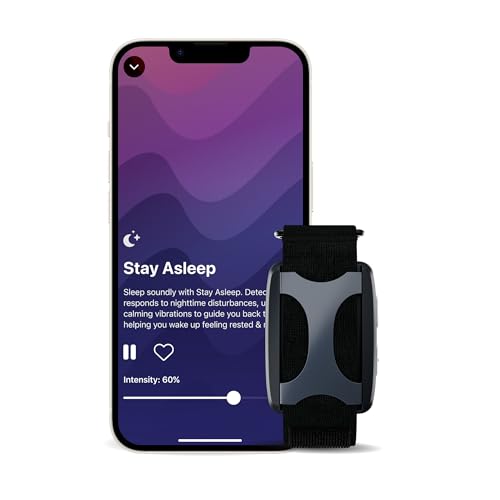
The Oura Ring and Whoop are the most accurate consumer options for sleep stages and HRV; a smartwatch (Apple Watch, Garmin) works too if you'd rather not wear a ring. Prioritize validated HRV and sleep-stage tracking over step counts, check whether it needs a subscription (Whoop does), and pick something comfortable enough to wear every night.

What Makes a Good Magnesium Supplement
Form matters more than dose: magnesium glycinate and citrate absorb well and are gentle on the stomach, while cheap magnesium oxide is poorly absorbed. A typical supplemental dose is 200–400 mg of elemental magnesium (check the label — it's usually lower than the pill weight). Take it in the evening if you're using it for sleep, and pick a third-party-tested brand.


Related Articles
Cochrane Review Finds Weak Evidence for Medical Cannabis in Insomnia
A Cochrane review of nine trials shows low-certainty evidence that medical cannabis improves...
Read article RecoveryIrregular Sleep Schedules Linked to Higher Cardiovascular Risk
Preliminary data from the All of Us program links night-to-night sleep schedule shifts to higher...
Read article RecoveryAI and Wearable Trackers Predict Hypertensive Crisis Days Early
A 12-month study found artificial intelligence analyzing wearable tracker data and blood...
Read article RecoveryPersonalized Music Cuts Cortisol More Than Pink Noise in Trial
A clinical trial found 24 minutes of personalized music paired with auditory beats reduced...
Read articleWant help fixing your sleep for real?
Opt Health treats sleep as a measurable system — cortisol rhythm, thyroid, testosterone, inflammation — and works the biology behind bad sleep with a physician, not a sleep-hygiene checklist.
See Opt Health's sleep program →Topic updates
Get the weekly recovery roundup
Sleep, HRV, fatigue, burnout, cortisol rhythm, sleep apnea, overtraining, and stress physiology.
Understand Your Health Better
Our free assessment maps your symptoms to the most relevant guides, tools, and product recommendations.
Take the Free Assessment →Free · Takes 5 minutes · Instant results
Affiliate disclosure: The Metabolic Journal is reader-supported. Some links above are affiliate or referral links and we may earn a commission at no extra cost to you. Products are chosen on the merits; commissions never influence what we recommend. This is general information, not medical advice — talk to your clinician before acting.