Nurse Mental Health Intervention Reduced Burnout and Depression
A randomized trial compared screening and referral with the same care plus an online skills-building program in 501 U.S. nurses experiencing mental distress.
What the Nurse Mental Health Intervention Tested
A nurse mental health intervention combining screening, referral, and online skills training reduced several measures of distress. The <a href="https://medicalxpress.com/news/2026-09-combined-screening-online-skills-nurse.html">September 9 report provided by Wiley</a> describes a randomized clinical trial published in Worldviews on Evidence-Based Nursing.
The trial enrolled 501 U.S. nurses experiencing mental distress. Researchers assigned participants to mental health screening and referral or to the same care plus a video-based, self-delivered version of the MINDBODYSTRONG (MBS) cognitive behavioral skills-building program.
Researchers used follow-up surveys at three and six months. The surveys assessed anxiety, depression, suicidal ideation, burnout, healthy lifestyle beliefs, and healthy lifestyle behaviors.
What the Nurse Mental Health Intervention Found
Nurses offered MBS had greater reductions in anxiety and depression than nurses offered screening and referral alone. The differences were reported at both three and six months, although the source did not provide the size of those effects.
The intervention group reported an approximately 80% decrease in suicidal ideation. Reported burnout fell by more than 40% at six months after the intervention.
Healthy lifestyle beliefs and behaviors also increased more in the intervention group at both follow-ups. The source did not identify the individual behaviors or give their effect sizes.
Why the Comparison Matters
The trial tested whether skills training added benefits beyond screening and referral. Random assignment created two groups receiving different levels of support, allowing researchers to compare the added MBS program with the screening pathway.
The findings apply directly to U.S. nurses who were experiencing mental distress and joined the trial. They do not establish the same results for nurses without distress, health workers in other countries, or people outside health care.
The <a href="https://doi.org/10.1111/wvn.70171">published study</a> examined outcomes through six months. The supplied report does not describe whether the changes continued after that point.
The Metabolic Health Context
The trial did not measure blood glucose, insulin resistance, hormones, or other metabolic markers. Its healthy lifestyle findings therefore cannot establish that MBS changed metabolic health.
The source also does not name the lifestyle behaviors included in the surveys. Readers cannot tell from this report whether the reported changes involved food, physical activity, sleep, recovery routines, or another behavior.
For someone managing metabolic health alongside mental distress, these findings support discussing mental health as a separate part of care. A clinician can help assess symptoms and explain which screening, referral, or skills-based services are available.
Limits of the Nurse Mental Health Intervention Evidence
The supplied report leaves several details unresolved. It does not provide exact anxiety and depression results, participant characteristics beyond occupation and distress, program adherence, referral use, or information about unwanted effects.
Outcomes were assessed through participant surveys at three and six months. The report does not describe independent clinical assessments or objective measures that could confirm the reported changes.
The findings support further consideration of combined screening and skills training within nurse support programs. A nurse experiencing distress can talk with a clinician or occupational health service about screening, referral, and whether a nurse mental health intervention fits the care available.
What to Look For in a Sleep & Recovery Tracker
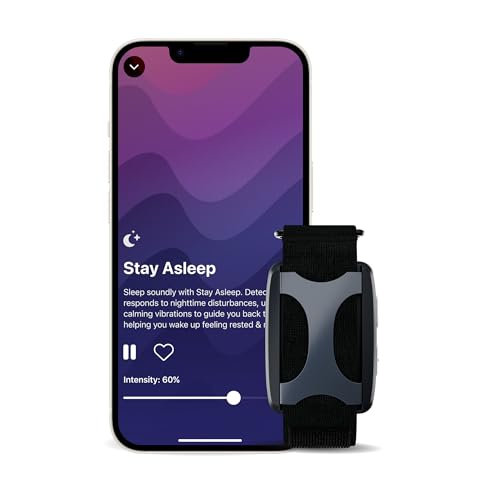
The Oura Ring and Whoop are the most accurate consumer options for sleep stages and HRV; a smartwatch (Apple Watch, Garmin) works too if you'd rather not wear a ring. Prioritize validated HRV and sleep-stage tracking over step counts, check whether it needs a subscription (Whoop does), and pick something comfortable enough to wear every night.

What Makes a Good Magnesium Supplement
Form matters more than dose: magnesium glycinate and citrate absorb well and are gentle on the stomach, while cheap magnesium oxide is poorly absorbed. A typical supplemental dose is 200–400 mg of elemental magnesium (check the label — it's usually lower than the pill weight). Take it in the evening if you're using it for sleep, and pick a third-party-tested brand.


Related Articles
Low Vitamin D Linked to Higher Pain After Breast Cancer Surgery
A study of 184 mastectomy patients found vitamin D deficiency tripled the likelihood of moderate...
Read article RecoveryREM and Deep Sleep Linked to Lower Disease Risk in Large Study
A PLOS Medicine study of 95,559 adults links higher REM and deep sleep to lower risks of type 2...
Read article RecoveryHinoki Root Essential Oil Improved Sleep Markers in a Small Trial
A Kyushu University pilot study found hinoki root essential oil improved sleep onset brain waves...
Read article RecoveryDeep Sleep Loss Linked to Frontal Cortex Tau Buildup in New Study
A Nature Neuroscience study links disrupted non-REM slow brain waves to tau protein buildup in...
Read articlePartner · Opt Health
Tired of being told your labs are “normal”?
Opt Health's energy workup goes past the standard panel — thyroid antibodies, free T3, ferritin, B12, testosterone, cortisol, inflammation — and a physician walks you through what's actually driving the fatigue.
See Opt Health's energy program →Topic updates
Get the weekly recovery roundup
Sleep, HRV, fatigue, burnout, cortisol rhythm, sleep apnea, overtraining, and stress physiology.
Understand Your Health Better
Our free assessment maps your symptoms to the most relevant guides, tools, and product recommendations.
Take the Free Assessment →Free · Takes 5 minutes · Instant results
Affiliate disclosure: The Metabolic Journal is reader-supported. Some links above are affiliate or referral links and we may earn a commission at no extra cost to you. Products are chosen on the merits; commissions never influence what we recommend. This is general information, not medical advice — talk to your clinician before acting.