Neural mechanisms of sleep drive: mouse brainstem neurons
A Nature study links rising sleep pressure to two wake-activated neuron groups that can increase or reduce recovery sleep in mice.
Neural mechanisms of sleep drive: what the study found
Neural mechanisms of sleep drive were clarified in a new study from the University of Basel that identified mouse brain neuron populations that become more active the longer animals stay awake and are crucial for sleep drive.
The team reports that this sleep pressure helps ensure prolonged wakefulness is followed by deeper and longer recovery sleep, and they pinpointed specific neurons that appear to help generate that need for sleep.
- Study lead group: Professor Alex Schier’s team at the Biozentrum, University of Basel, with collaborators at Beth Israel Deaconess Medical Center and Auburn University
- Publication: Nature (as reported by the source article)
- Core claim: specific neurons are not only markers of wake time, but can promote sleep drive when activated
What the evidence actually shows in mice
The evidence comes from experiments in mice in which researchers compared brain activation patterns during normal sleep-wake cycles, sleep deprivation, and recovery sleep to find areas that reflected time spent awake.
Within one highlighted region, they identified two distinct neuronal populations in the brainstem—GABAergic and serotonergic neurons—whose activation increased with longer wakefulness and declined after sleep onset.
- Intervention result (activation): artificially activating both populations led mice to sleep longer and more deeply, resembling recovery sleep after prolonged wakefulness
- Intervention result (inhibition): inhibiting these neurons strongly reduced sleep and allowed animals to maintain alert wakefulness
- Long-term inhibition finding: mice slept approximately 70% less than usual, and most did not show some severe behavioral impairments typically seen with sleep deprivation
Neural mechanisms of sleep drive: why these neurons matter
Neural mechanisms of sleep drive matter because the study argues these brainstem neuron populations do more than track whether an animal has been awake—they appear to be crucial components of circuitry that promotes sleep.
The researchers describe their results as showing wake-active neurons that increase the drive to sleep rather than merely responding to wakefulness, framing this as a key missing piece in explaining why sleepiness builds after prolonged wake time.
- Two cell types highlighted: brainstem GABAergic neurons and brainstem serotonergic neurons
- Signal pattern: activity rises during prolonged wakefulness, then drops after sleep begins
- Functional role tested: changing their activity shifted sleep amount and depth in ways consistent with altered sleep drive
Practical context for metabolic health and recovery
For metabolic health, sleep is part of recovery, and this study adds a clearer brain-based explanation for why staying awake can push the body toward longer and deeper recovery sleep afterward.
In day-to-day terms, the work supports the idea that sleep pressure is a real biological process the brain builds over time, rather than only a feeling, even though these results are in mice and not a prescription for changing sleep in people.
- If you are tracking recovery (sleep duration and perceived depth), this study helps explain why recovery sleep often follows a late night or missed sleep
- If you have persistent sleep problems, discuss them with a clinician; this study is basic science and does not test treatments in humans
- The findings may inform future research into how the brain adapts to long-term sleep loss, which could matter for shift work and chronic sleep restriction (future work noted by the authors)
Limitations and what remains unknown
The main limitation is that these findings are from mouse experiments, so they do not establish the same neural control of sleep drive in humans.
The source also points to open questions, including how these neurons interact with the rest of the brain and how sleep drive is generated at the molecular level, which future studies will need to map.
- Population: mice; human relevance is not yet tested here
- Mechanism gap: molecular-level generation of sleep drive is not yet explained in this report
- Outcome scope: the report notes most long-term inhibited mice did not show some typical severe behavioral impairments, but it does not detail broader health or metabolic outcomes
What to Look For in a Sleep & Recovery Tracker
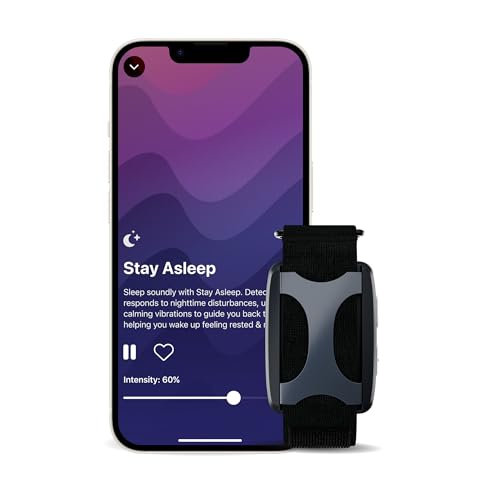
The Oura Ring and Whoop are the most accurate consumer options for sleep stages and HRV; a smartwatch (Apple Watch, Garmin) works too if you'd rather not wear a ring. Prioritize validated HRV and sleep-stage tracking over step counts, check whether it needs a subscription (Whoop does), and pick something comfortable enough to wear every night.

What Makes a Good Magnesium Supplement
Form matters more than dose: magnesium glycinate and citrate absorb well and are gentle on the stomach, while cheap magnesium oxide is poorly absorbed. A typical supplemental dose is 200–400 mg of elemental magnesium (check the label — it's usually lower than the pill weight). Take it in the evening if you're using it for sleep, and pick a third-party-tested brand.


Related Articles
Low Vitamin D Linked to Higher Pain After Breast Cancer Surgery
A study of 184 mastectomy patients found vitamin D deficiency tripled the likelihood of moderate...
Read article RecoveryREM and Deep Sleep Linked to Lower Disease Risk in Large Study
A PLOS Medicine study of 95,559 adults links higher REM and deep sleep to lower risks of type 2...
Read article RecoveryHinoki Root Essential Oil Improved Sleep Markers in a Small Trial
A Kyushu University pilot study found hinoki root essential oil improved sleep onset brain waves...
Read article RecoveryDeep Sleep Loss Linked to Frontal Cortex Tau Buildup in New Study
A Nature Neuroscience study links disrupted non-REM slow brain waves to tau protein buildup in...
Read articlePartner · Opt Health
Want help fixing your sleep for real?
Opt Health treats sleep as a measurable system — cortisol rhythm, thyroid, testosterone, inflammation — and works the biology behind bad sleep with a physician, not a sleep-hygiene checklist.
See Opt Health's sleep program →Topic updates
Get the weekly recovery roundup
Sleep, HRV, fatigue, burnout, cortisol rhythm, sleep apnea, overtraining, and stress physiology.
Understand Your Health Better
Our free assessment maps your symptoms to the most relevant guides, tools, and product recommendations.
Take the Free Assessment →Free · Takes 5 minutes · Instant results
Affiliate disclosure: The Metabolic Journal is reader-supported. Some links above are affiliate or referral links and we may earn a commission at no extra cost to you. Products are chosen on the merits; commissions never influence what we recommend. This is general information, not medical advice — talk to your clinician before acting.