GLP-1 Receptor Agonists and Sleep Apnea Treatment
A systematic review links weight loss from GLP-1 medications to fewer nighttime breathing interruptions and higher remission rates.
Review Findings on Airway Interruptions
Glucagon-like peptide-1 (GLP-1) receptor agonists reduce nighttime breathing interruptions in patients diagnosed with obstructive sleep apnea (OSA). A systematic review published in JAMA Otolaryngology–Head & Neck Surgery evaluated studies from January 2016 through November 2025 across PubMed, ClinicalTrials.gov, the Cochrane Library, and Google Scholar. The authors examined how weight-loss and diabetes medications alter sleep-disordered breathing.
Across six meta-analyses, these medications lowered the apnea-hypopnea index (AHI) by 5.7 to 21.9 events per hour. In Phase III clinical trials, tirzepatide reduced interruptions by 50% to 63%. That change eliminated 20 to 24 breathing pauses every hour.
Remission Rates and Upper Airway Physics
Reductions in neck and throat tissue account for the majority of measured improvements in breathing stability. Tirzepatide helped 42% to 50% of trial patients reach complete disease remission after one year, compared with 14% to 16% on placebo. Obstructive sleep apnea affects one in eight people worldwide and causes sudden waking when airway walls collapse.
Weight loss reduces fat deposits around the tongue, neck, and throat. Less physical tissue pressure leaves the windpipe open during deep sleep cycles. This structural clearance allows air to move freely and reduces nighttime oxygen drops.
Adherence Challenges with Mechanical Airway Care
Standard continuous positive airway pressure (CPAP) therapy presents consistent adherence difficulties in clinical practice. Between 30% and 60% of patients stop using CPAP machines consistently over time. Mechanical airway splinting treats the symptom of obstruction without altering body composition.
Obesity is present in 60% to 70% of individuals with sleep apnea and serves as a modifiable driver of upper airway collapse. In December 2024, the Food and Drug Administration (FDA) approved tirzepatide as the first medication for moderate to severe sleep apnea in adults with obesity. Untreated sleep interruptions raise risks of high blood pressure, stroke, heart disease, and fatal accidents.
Secondary Biological Pathways in Animal Models
Preliminary laboratory and animal studies suggest neural signaling changes may also support nocturnal breathing. Researchers noted that GLP-1 medications appear to lower carotid body sensitivity and restore central leptin signaling in animal brains.
These neurological shifts may help maintain muscular tone in the genioglossus, which is the primary muscle of the tongue. Maintaining muscle firmness prevents the tongue from slipping backward into the windpipe during sleep. Early experimental data also report lower local tissue inflammation and reduced cellular injury.
Limitations and Long-Term Weight Regain
Weight regain after stopping medication represents a primary limitation identified in the systematic review. Patients often regain lost weight once they discontinue injections, which can cause airway narrowing to return. The reviewed evidence confirms that structural benefits depend heavily on keeping the weight off.
Previous medical data on drug therapies for airway collapse remained scattered across separate trials without a central consensus. Patients considering metabolic interventions for sleep-disordered breathing should speak with their clinician about comprehensive management and long-term treatment continuity.
What to Look For in a Sleep & Recovery Tracker
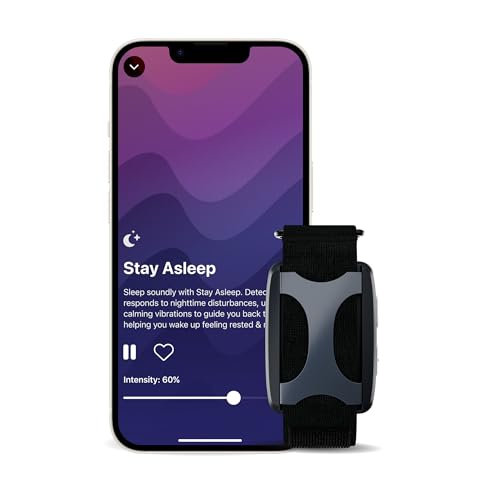
The Oura Ring and Whoop are the most accurate consumer options for sleep stages and HRV; a smartwatch (Apple Watch, Garmin) works too if you'd rather not wear a ring. Prioritize validated HRV and sleep-stage tracking over step counts, check whether it needs a subscription (Whoop does), and pick something comfortable enough to wear every night.

Related Articles
Low Vitamin D Linked to Higher Pain After Breast Cancer Surgery
A study of 184 mastectomy patients found vitamin D deficiency tripled the likelihood of moderate...
Read article RecoveryREM and Deep Sleep Linked to Lower Disease Risk in Large Study
A PLOS Medicine study of 95,559 adults links higher REM and deep sleep to lower risks of type 2...
Read article RecoveryHinoki Root Essential Oil Improved Sleep Markers in a Small Trial
A Kyushu University pilot study found hinoki root essential oil improved sleep onset brain waves...
Read article RecoveryDeep Sleep Loss Linked to Frontal Cortex Tau Buildup in New Study
A Nature Neuroscience study links disrupted non-REM slow brain waves to tau protein buildup in...
Read articlePartner · Opt Health
Want medical weight loss instead of another diet?
Opt Health prescribes and monitors GLP-1 therapy against real labs — insulin, A1C, lipids, thyroid, hormones — so the plan fits your physiology rather than a generic protocol. Medication ships to your door.
See Opt Health's weight-loss program →Topic updates
Get the weekly recovery roundup
Sleep, HRV, fatigue, burnout, cortisol rhythm, sleep apnea, overtraining, and stress physiology.
Understand Your Health Better
Our free assessment maps your symptoms to the most relevant guides, tools, and product recommendations.
Take the Free Assessment →Free · Takes 5 minutes · Instant results
Affiliate disclosure: The Metabolic Journal is reader-supported. Some links above are affiliate or referral links and we may earn a commission at no extra cost to you. Products are chosen on the merits; commissions never influence what we recommend. This is general information, not medical advice — talk to your clinician before acting.