Cognitive Behavioral Therapy for Insomnia Slows Biological Aging
A randomized controlled trial tracks epigenetic changes over two years in adults aged 65 and older.
Cognitive Behavioral Therapy for Insomnia Slowed Biological Aging
Older adults who completed cognitive behavioral therapy for insomnia experienced a measurable reduction in the pace of biological aging compared to peers who received sleep education. University of California, Los Angeles (UCLA) Health researchers published these findings from a randomized controlled trial in The Lancet Healthy Longevity.
Lead investigator Dr. Judith Carroll evaluated whether treating clinical sleep disruption could alter physiological decline. Between 10 percent and 25 percent of adults older than 65 in the United States have clinical insomnia.
How the Randomized Trial Tested Epigenetic Clocks
Researchers enrolled nearly 100 older adults with insomnia and assigned them to either cognitive behavioral therapy for insomnia (CBT-I) or sleep education therapy. The CBT-I protocol provided structured interventions targeting thoughts and behaviors that disrupt sleep across multiple sessions with a trained clinician. In contrast, the control group received sleep education that delivered general sleep hygiene information without behavioral strategies.
Staff drew blood samples before the eight-week treatment period began and repeated collections during follow-up visits over the subsequent two years. Technicians extracted deoxyribonucleic acid (DNA) to track cellular aging across three epigenetic calculators: DunedinPACE, GrimAge, and PC-PhenoAge.
Epigenetic Measurements and Insomnia Remission
Adults assigned to cognitive behavioral therapy achieved nearly three times the likelihood of insomnia remission compared to those in sleep education therapy. Epigenetic tracking showed that the behavioral therapy group experienced a significantly slower pace of biological aging on the DunedinPACE clock.
Prior research links chronic insomnia to accelerated DNA methylation, a cellular process that alters gene expression. Those epigenetic changes correlate with higher risks of age-related conditions, including cardiovascular disease, diabetes, and mortality.
Study Caveats and Next Research Directions
The trial enrolled participants exclusively from a single research site in Los Angeles, which constrains the broad applicability of the conclusions. The study authors noted that larger multi-site studies with participants representing diverse age groups, races, and ethnicities are needed to confirm the outcomes.
Further trials must examine whether treatment response varies by sex. Researchers also need to evaluate whether other interventions for insomnia, including medication or Tai Chi, produce similar biological aging effects.
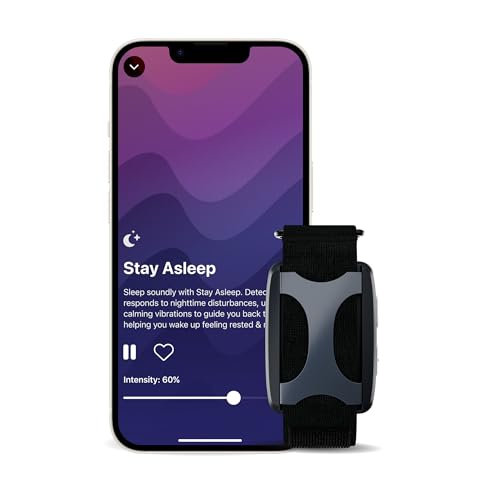
What to Look For in a Sleep & Recovery Tracker
The Oura Ring and Whoop are the most accurate consumer options for sleep stages and HRV; a smartwatch (Apple Watch, Garmin) works too if you'd rather not wear a ring. Prioritize validated HRV and sleep-stage tracking over step counts, check whether it needs a subscription (Whoop does), and pick something comfortable enough to wear every night.

What Makes a Good Magnesium Supplement
Form matters more than dose: magnesium glycinate and citrate absorb well and are gentle on the stomach, while cheap magnesium oxide is poorly absorbed. A typical supplemental dose is 200–400 mg of elemental magnesium (check the label — it's usually lower than the pill weight). Take it in the evening if you're using it for sleep, and pick a third-party-tested brand.


Related Articles
Low Vitamin D Linked to Higher Pain After Breast Cancer Surgery
A study of 184 mastectomy patients found vitamin D deficiency tripled the likelihood of moderate...
Read article RecoveryREM and Deep Sleep Linked to Lower Disease Risk in Large Study
A PLOS Medicine study of 95,559 adults links higher REM and deep sleep to lower risks of type 2...
Read article RecoveryHinoki Root Essential Oil Improved Sleep Markers in a Small Trial
A Kyushu University pilot study found hinoki root essential oil improved sleep onset brain waves...
Read article RecoveryDeep Sleep Loss Linked to Frontal Cortex Tau Buildup in New Study
A Nature Neuroscience study links disrupted non-REM slow brain waves to tau protein buildup in...
Read articlePartner · Opt Health
Want help fixing your sleep for real?
Opt Health treats sleep as a measurable system — cortisol rhythm, thyroid, testosterone, inflammation — and works the biology behind bad sleep with a physician, not a sleep-hygiene checklist.
See Opt Health's sleep program →Topic updates
Get the weekly recovery roundup
Sleep, HRV, fatigue, burnout, cortisol rhythm, sleep apnea, overtraining, and stress physiology.
Understand Your Health Better
Our free assessment maps your symptoms to the most relevant guides, tools, and product recommendations.
Take the Free Assessment →Free · Takes 5 minutes · Instant results
Affiliate disclosure: The Metabolic Journal is reader-supported. Some links above are affiliate or referral links and we may earn a commission at no extra cost to you. Products are chosen on the merits; commissions never influence what we recommend. This is general information, not medical advice — talk to your clinician before acting.