Cannabis Sleep Gummies and Habit Formation: Mouse Study Findings
Preclinical trials from the University of Connecticut find cannabinol causes physical tolerance and withdrawal symptoms in mice.
Cannabis Sleep Gummies and Habit Formation in Laboratory Tests
Cannabinol, an ingredient frequently added to night supplements, caused physical tolerance and withdrawal in mice during recent laboratory experiments. University of Connecticut researchers evaluated cannabis sleep gummies and habit formation by administering cannabinol (CBN) to rodents twice daily across three consecutive days. The findings appeared in the November issue of the journal Drug and Alcohol Dependence.
Steven Kinsey, a professor in the Elisabeth DeLuca School of Nursing at the University of Connecticut, pointed out that manufacturers sell CBN in gummies, tinctures, and capsules as a gentle herbal option. The trial data indicate that repeated exposure carries biological effects that consumers cannot see on product labels.
Mice became progressively less responsive to CBN over the three-day testing period. That drop in response demonstrated rapid tolerance to the compound.
How Tolerance and Withdrawal Appeared in the Study
When investigators stopped administering the compound, the animals showed distinct physical reactions. Mice exhibited head twitching and paw fluttering once CBN was withdrawn. The study authors noted that these involuntary movements resemble the tremors people experience during substance withdrawal.
A separate experiment tested how rodents processed the compound relative to tetrahydrocannabinol (THC). Mice trained to recognize the psychoactive sensations of THC responded in the same manner when administered CBN.
The response indicates that both compounds share overlapping subjective effects. While CBN has a reputation as a milder substance than THC, it acts on some of the same receptor mechanisms.
Questions Surrounding Cannabis Sleep Gummies and Habit Formation
The experiment adds caution to a retail market that has expanded ahead of clinical trials. Olivia Vanegas, the study lead author, explained that commercial promotions make broad therapeutic claims for minor cannabinoids despite limited data on repeated human use.
Scientists do not yet know whether daily CBN consumption alters sleep architecture or leads to clinical dependence in humans. History offers reasons for scrutiny. Multiple sleep medications introduced over the past century were marketed as safe before long-term surveillance revealed habit-forming risks.
Immune System Findings and Practical Next Steps
The experiments did demonstrate anti-inflammatory activity at low doses that caused no psychoactive symptoms. However, a simulated bacterial challenge revealed a separate biological tradeoff. Exposure to CBN suppressed the defensive immune response in the animals, which could make it easier for bacterial infections to establish.
These outcomes come entirely from rodent models, meaning they do not confirm that CBN causes dependence or immune suppression in human bodies. Anyone tracking their sleep quality can discuss nighttime routines with a physician before evaluating cannabis sleep gummies and habit formation.
What to Look For in a Sleep & Recovery Tracker
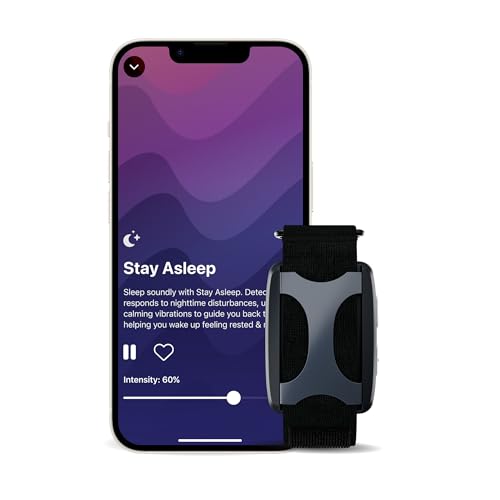
The Oura Ring and Whoop are the most accurate consumer options for sleep stages and HRV; a smartwatch (Apple Watch, Garmin) works too if you'd rather not wear a ring. Prioritize validated HRV and sleep-stage tracking over step counts, check whether it needs a subscription (Whoop does), and pick something comfortable enough to wear every night.

What Makes a Good Magnesium Supplement
Form matters more than dose: magnesium glycinate and citrate absorb well and are gentle on the stomach, while cheap magnesium oxide is poorly absorbed. A typical supplemental dose is 200–400 mg of elemental magnesium (check the label — it's usually lower than the pill weight). Take it in the evening if you're using it for sleep, and pick a third-party-tested brand.


Related Articles
Cochrane Review Finds Weak Evidence for Medical Cannabis in Insomnia
A Cochrane review of nine trials shows low-certainty evidence that medical cannabis improves...
Read article RecoveryIrregular Sleep Schedules Linked to Higher Cardiovascular Risk
Preliminary data from the All of Us program links night-to-night sleep schedule shifts to higher...
Read article RecoveryAI and Wearable Trackers Predict Hypertensive Crisis Days Early
A 12-month study found artificial intelligence analyzing wearable tracker data and blood...
Read article RecoveryPersonalized Music Cuts Cortisol More Than Pink Noise in Trial
A clinical trial found 24 minutes of personalized music paired with auditory beats reduced...
Read articleWant help fixing your sleep for real?
Opt Health treats sleep as a measurable system — cortisol rhythm, thyroid, testosterone, inflammation — and works the biology behind bad sleep with a physician, not a sleep-hygiene checklist.
See Opt Health's sleep program →Topic updates
Get the weekly recovery roundup
Sleep, HRV, fatigue, burnout, cortisol rhythm, sleep apnea, overtraining, and stress physiology.
Understand Your Health Better
Our free assessment maps your symptoms to the most relevant guides, tools, and product recommendations.
Take the Free Assessment →Free · Takes 5 minutes · Instant results
Affiliate disclosure: The Metabolic Journal is reader-supported. Some links above are affiliate or referral links and we may earn a commission at no extra cost to you. Products are chosen on the merits; commissions never influence what we recommend. This is general information, not medical advice — talk to your clinician before acting.