Bright Light Therapy Improves Sleep and Activity in Older Adults
A real-world study finds that using bright light therapy lamps can enhance sleep quality, daytime activity, and circadian rhythms for older adults in urban areas.
Study Shows Bright Light Therapy Supports Healthy Aging
A University of Surrey study found that bright light therapy lamps used at home improved sleep quality, increased daytime activity, and stabilized circadian rhythms in older adults living in urban areas. The study included over 200 participants aged 63–92 from Tartu, Bologna, and Amsterdam.
Participants in the light supplementation group placed lamps at head height in their most-used room and used them within one hour of waking, turning them off at least four hours before bedtime, over a 12-week period.
Real-World Evidence from a Diverse Urban Population
This was the first real-world study to test bright light therapy in everyday settings, following previous laboratory findings. The study accounted for seasonal daylight changes and included culturally diverse cities to ensure broader applicability.
All participants wore wrist actigraphy monitors and pendant light sensors to objectively measure activity and light exposure, providing detailed data on how light supplementation affected daily rhythms.
Key Findings: Timing and Baseline Light Exposure Matter
Participants with higher baseline exposure to natural light showed better sleep quality, more consolidated daytime wakefulness, and higher activity levels. Those who began light therapy earlier in the morning had less disrupted rest-activity rhythms and more daytime activity.
Finishing light supplementation earlier in the day, which reduced evening light exposure, was linked to lower rest-activity fragmentation, suggesting that both the amount and timing of light exposure are important.
Metabolic Health and Light Exposure
Initial assessments showed that participants with metabolic disorders such as high blood pressure, diabetes, obesity, or cardiovascular conditions had lower total light exposure than those without these conditions.
The findings suggest that increasing daytime light exposure may be a simple, low-cost way to support metabolic and overall health in older adults, especially those with limited outdoor mobility.
Limitations and Practical Considerations
The study was conducted in urban European cities and may not apply to rural settings or populations with different lifestyles. The intervention relied on participants' adherence to instructions for lamp use, which could affect results.
Bright light therapy is not a substitute for medical care. The study did not assess long-term health outcomes or compare light therapy to other interventions for metabolic disorders.
What to Look For in a Sleep & Recovery Tracker
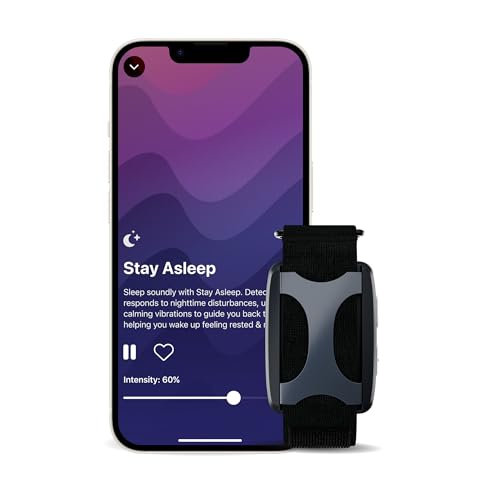
The Oura Ring and Whoop are the most accurate consumer options for sleep stages and HRV; a smartwatch (Apple Watch, Garmin) works too if you'd rather not wear a ring. Prioritize validated HRV and sleep-stage tracking over step counts, check whether it needs a subscription (Whoop does), and pick something comfortable enough to wear every night.

What Makes a Good Magnesium Supplement
Form matters more than dose: magnesium glycinate and citrate absorb well and are gentle on the stomach, while cheap magnesium oxide is poorly absorbed. A typical supplemental dose is 200–400 mg of elemental magnesium (check the label — it's usually lower than the pill weight). Take it in the evening if you're using it for sleep, and pick a third-party-tested brand.


Related Articles
Low Vitamin D Linked to Higher Pain After Breast Cancer Surgery
A study of 184 mastectomy patients found vitamin D deficiency tripled the likelihood of moderate...
Read article RecoveryREM and Deep Sleep Linked to Lower Disease Risk in Large Study
A PLOS Medicine study of 95,559 adults links higher REM and deep sleep to lower risks of type 2...
Read article RecoveryHinoki Root Essential Oil Improved Sleep Markers in a Small Trial
A Kyushu University pilot study found hinoki root essential oil improved sleep onset brain waves...
Read article RecoveryDeep Sleep Loss Linked to Frontal Cortex Tau Buildup in New Study
A Nature Neuroscience study links disrupted non-REM slow brain waves to tau protein buildup in...
Read articlePartner · Opt Health
Want help fixing your sleep for real?
Opt Health treats sleep as a measurable system — cortisol rhythm, thyroid, testosterone, inflammation — and works the biology behind bad sleep with a physician, not a sleep-hygiene checklist.
See Opt Health's sleep program →Topic updates
Get the weekly recovery roundup
Sleep, HRV, fatigue, burnout, cortisol rhythm, sleep apnea, overtraining, and stress physiology.
Understand Your Health Better
Our free assessment maps your symptoms to the most relevant guides, tools, and product recommendations.
Take the Free Assessment →Free · Takes 5 minutes · Instant results
Affiliate disclosure: The Metabolic Journal is reader-supported. Some links above are affiliate or referral links and we may earn a commission at no extra cost to you. Products are chosen on the merits; commissions never influence what we recommend. This is general information, not medical advice — talk to your clinician before acting.