Sava Glucose Monitor: Microsensor Technology and Status
Medically reviewed by Dr. Michael Teplitsky, MD Last reviewed 2026-10-15
What Sava Technologies and Ascensia have said about the device, its status and its plans.
The Sava glucose monitor is an experimental wearable developed by Sava Technologies that uses microsensors about ten times shorter than traditional sensor filaments to sample interstitial fluid under the skin. The device is not approved by the UK MHRA or the US FDA, and no accuracy data or retail pricing has been published. Sava aims to gain CE approval for non-adjunctive use and begin commercialisation within 18 to 24 months, with Ascensia to lead a launch starting in Europe, subject to approval.
The Sava glucose monitor is an experimental wearable continuous glucose monitor (CGM) developed by Sava Technologies that measures glucose levels in the fluid beneath the skin. The device is not approved by the Medicines and Healthcare products Regulatory Agency (MHRA) in the United Kingdom or the Food and Drug Administration (FDA) in the United States. It cannot be bought or prescribed today.
Sava Technologies uses a proprietary microsensor designed to read glucose continuously from interstitial fluid, which is the moisture surrounding tissue cells under the skin. Although some headlines have described the device as non-invasive, the sensor is not needle-free. Each microsensor is about ten times shorter than the filament in traditional CGMs and sits under the skin.
Want a clinician to work up your metabolic numbers?
Opt Health runs fasting insulin, A1C, a full lipid panel and 50+ other markers, then builds a treatment plan — GLP-1s included where they're appropriate — with a physician who reviews the data with you directly.
See Opt Health's metabolic program →Ascensia is Sava's commercialisation and distribution partner, with exclusive rights initially planned for Europe, depending on regulatory approval.
Sava Approval Status
The Sava glucose monitor is an experimental medical device that currently holds no regulatory approvals for commercial sale. The sensor has not been cleared by the Medicines and Healthcare products Regulatory Agency (MHRA) in the United Kingdom or by the Food and Drug Administration (FDA) in the United States. Sava Technologies stated that the device will only become available if it receives the necessary clearance or approval. It cannot be bought or prescribed today.
Sava Technologies announced a $36 million Series B funding round on 9 October 2026, which increased its total funding to $68 million. Ascensia Diabetes Care led the investment round and made a strategic equity investment in Sava Technologies of an undisclosed amount. A pivotal clinical study in 2026 is among Sava's stated aims.
Sava Technologies is targeting Conformité Européenne (CE) approval for non-adjunctive use and aims to begin commercialisation within 18 to 24 months. Non-adjunctive use means that people with diabetes could make insulin dosing choices directly from sensor readings without performing routine confirmatory fingerstick blood tests. Ascensia Diabetes Care holds exclusive distribution rights initially planned for European countries, subject to regulatory clearance. The Ascensia release gives no duration, financial value, or whether rights extend beyond Europe. Ascensia and Sava plan to offer the product through retail channels and under established reimbursement structures.
How the Microsensor Differs From Current CGMs
Conventional monitors use a filament to reach interstitial fluid under the skin. The device uses a proprietary microsensor that is about ten times shorter and still reaches interstitial fluid. Ascensia Diabetes Care describes this approach as minimally invasive compared with traditional monitors.
Sava Technologies states that the sensor operates continuously and without pain, though this description represents company wording rather than an independently tested result. Some headlines call it noninvasive; the company's own releases do not. The sensor is not needle-free. The Sava Technologies announcement and the Ascensia Diabetes Care press release describe the device as a wearable microsensor and do not call it non-invasive.
Sava Technologies designed the sensor architecture from the start for high-volume manufacturing. The platform is designed to track other biomarkers later; the releases describe that as a possibility, not a product. Neither organization has published accuracy figures, so no performance comparison can be made. Readers evaluating currently available systems can consult our guide to the best continuous glucose monitors for metabolic health.
Who Is Behind It
Sava Technologies is a London-based company. Sava Technologies announced a $36 million Series B on 9 October 2026.
| Item | Detail |
|---|---|
| Sava Technologies | London-based; $36 million Series B announced 9 October 2026; total funding $68 million |
| Ascensia Diabetes Care | Member of PHC Group based in Basel, Switzerland; holds exclusive distribution rights initially planned for Europe. |
| Other Named Investors | Balderton Capital, Norrsken VC, Simplyhealth Ventures, JamJar Investments, and Pentland Ventures, among others. |
Ascensia Diabetes Care was established in 2016 when PHC Holdings acquired Bayer Diabetes Care. Ascensia's CONTOUR blood glucose monitoring products are sold in more than 90 countries, with direct commercial organisations in 29 markets. Ascensia and Sava plan to offer the product through retail channels and under established reimbursement structures, consistent with Ascensia's existing blood glucose monitoring business.
Peter Bodlund, Chief Executive Officer of Ascensia Diabetes Care, stated: "Microsensor technology has the potential to transform the day-to-day monitoring experience for people with diabetes." Sava Technologies noted that about 12 million people use CGMs today, with two manufacturers leading the market. Sava Technologies also cited International Diabetes Federation (IDF) estimates indicating that 589 million adults live with diabetes globally, projected to reach 853 million by 2050.
What Has Not Been Published
Neither Sava Technologies nor Ascensia Diabetes Care has published clinical accuracy data or retail pricing for the microsensor. Neither release publishes the following:
- Sensor accuracy data: The developers have not released any accuracy or performance data.
- Retail and prescription pricing: Neither Sava Technologies nor Ascensia Diabetes Care has released any price.
- Confirmed release schedule: Commercial availability within 18 to 24 months represents a corporate aim rather than an established delivery date.
- Regulatory clearances: The device has no approval anywhere.
What to Do With This Information
Talk to a licensed clinician about approved monitoring options. Decisions about glucose monitoring belong to a licensed clinician.
To review medical sensors that have received regulatory clearance, read our guide to the best continuous glucose monitors for metabolic health.
How to test metabolic markers at home
You don't need a lab appointment to check your own metabolic markers — a few at-home kits mail you a collection kit and return physician-reviewed results online within days:
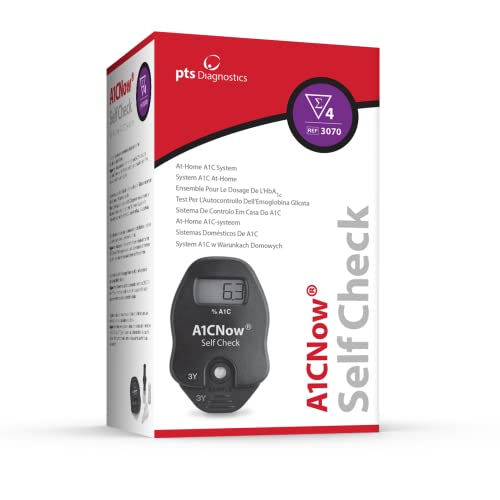
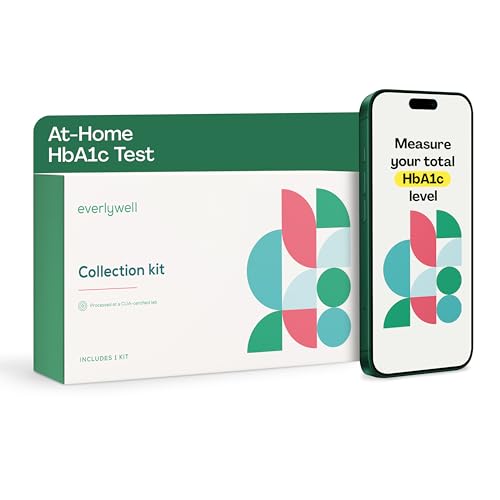
Prefer to order direct? The Everlywell HbA1c Test uses a CLIA-certified lab, physician-reviewed results, and prepaid return shipping.
What to Look For in a Continuous Glucose Monitor (CGM)
Over-the-counter CGMs like Dexcom Stelo and Abbott Lingo now sell without a prescription. Check the wear time (14–15 days per sensor), whether it reads to your phone or needs a separate device, and the monthly cost. For seeing how your own body responds to meals, a month or two is usually enough — you don't need to wear one forever.


What Makes a Good Fiber Supplement
For blood-sugar and cholesterol support you want SOLUBLE fiber — psyllium husk is the best studied. Start with one teaspoon and build up with plenty of water to avoid bloating, and take it 10–15 minutes before carb-heavy meals. Choose an unsweetened, additive-free powder or capsule.


Frequently Asked Questions
Can I buy the Sava glucose monitor?
No, the Sava glucose monitor cannot be purchased today. It has not been approved by the UK MHRA or the US FDA and will only be available if it receives the necessary clearance or approval. Sava Technologies and Ascensia Diabetes Care stated an aim to achieve commercial availability within 18 to 24 months, subject to regulatory approvals.
Does the Sava sensor have a needle?
Each microsensor is about ten times shorter than the filament in traditional CGMs and still reaches interstitial fluid; it sits under the skin, so it is not needle-free. Sava Technologies describes the device as measuring without pain.
Is the Sava monitor approved?
The Sava monitor is not approved by the UK MHRA or the US FDA. Its stated aims include a 2026 pivotal clinical study and CE approval for non-adjunctive use.
Who is Ascensia, and what is its role?
Ascensia Diabetes Care is a member of PHC Group (Basel, Switzerland). Ascensia Diabetes Care led Sava Technologies' $36 million Series B funding round and holds exclusive rights to commercialise and distribute the Sava microsensor monitor, initially planned for Europe depending on regulatory approval.
Topic updates
Get the weekly metabolic health roundup
Insulin resistance, blood sugar, visceral fat, GLP-1 plateaus, metabolic syndrome, and weight-loss physiology.
Want your metabolic health handled by a physician who works from your labs? See how Opt Health does it →
Check Where You Stand
Take our free health assessment to understand your metabolic, hormonal, and recovery risk factors — and get personalized recommendations.
Take the Free Assessment →Free · Takes 5 minutes · Instant results
Related Guides
-
CONNECT Trial: a Dexcom G7 Lowered A1C 0.9 Points More Than Routine Care in Adults with Type 2 Diabetes Not on Insulin, and What the Trial Does Not Show
CONNECT trial: CGM in type 2 diabetes not on insulin, the A1C and time-in-range results, GLP-1 users, and what the trial does not show.
-
Best CGM for Metabolic Health: Stelo, Lingo, Levels, Nutrisense & Signos Compared for Non-diabetics
Best CGM for metabolic health without diabetes: Stelo, Lingo, Levels, Nutrisense, and Signos compared.
Affiliate disclosure: The Metabolic Journal is reader-supported. Some links above are affiliate or referral links and we may earn a commission at no extra cost to you. As an Amazon Associate we earn from qualifying purchases. Products are chosen on the merits; commissions never influence what we recommend. This is general information, not medical advice — talk to your clinician before acting.