Weight Gain and Blood Sugar Levels in Antipsychotic Treatment
A study of 97,000 patients links the first ninety days of second-generation antipsychotics to steep metabolic changes.
Rapid Metabolic Shifts in the First Ninety Days
Weight gain and blood sugar levels in antipsychotic treatment accelerate most rapidly during the first three months of therapy. Researchers from Karolinska Institutet and University College London evaluated electronic health records from nearly 97,000 patients in England aged 18 to 59 with severe mental illness. The study tracked changes before and after patients started second-generation antipsychotic medication.
During the first 90 days, weight rose by an average of 0.21 kilograms (0.46 pounds) per week. That compares to an increase of 0.02 kilograms (0.04 pounds) per week before treatment began. Over the same 90-day window, hemoglobin A1c (HbA1c) climbed by an average of 0.12 mmol/mol each week, compared to 0.01 mmol/mol weekly prior to starting the medication.
The pace of change dropped substantially after three months. From day 91 through two years, weight gain slowed to 0.03 kilograms (0.07 pounds) per week. Weekly HbA1c increases dropped back to 0.01 mmol/mol across that extended follow-up window.
Different Outcomes by Medication and Baseline Risk
Metabolic changes varied by the specific medication prescribed to each patient. Olanzapine caused the largest increases in both weight and blood sugar measurements. Quetiapine led to notable weight gains as well, but it produced only small shifts in HbA1c.
Patient characteristics influenced the extent of metabolic changes during therapy. Women showed larger increases in weight and blood sugar than men. Existing metabolic status at the start of treatment also had a significant effect on long-term outcomes.
Patients with prediabetes when therapy began faced a much higher likelihood of progressing to type 2 diabetes. Within two years, an estimated 19% of patients with prediabetes developed diabetes. Among individuals who began medication with normal HbA1c levels, 3% developed diabetes over the same period.
Study Structure and Health Record Limitations
The findings come from an observational interrupted time-series analysis rather than a randomized clinical trial. The authors extracted routine primary care records to examine real-world clinical patterns across England. This observational structure means the analysis identifies associations rather than direct experimental proofs.
Missing routine laboratory measurements represent another key constraint in the dataset. While just over three-quarters of the 97,000 patients had at least one recorded weight check, only about one-quarter had at least one recorded HbA1c measurement. Gaps in clinical testing reduce the precision of the overall blood glucose estimates.
Early Monitoring for Weight and Blood Sugar Levels
The concentration of metabolic changes in the early weeks points to a clear window for clinical tracking. Study co-author Magnus Boman noted that the greatest shifts occur early, indicating that clinicians should track weight and blood sugar from day one through the first three months.
Patients starting antipsychotic therapy should discuss baseline metabolic screening and a ninety-day monitoring plan with their prescribing clinician.
How to test metabolic markers at home
You don't need a lab appointment to check your own metabolic markers — a few at-home kits mail you a collection kit and return physician-reviewed results online within days:
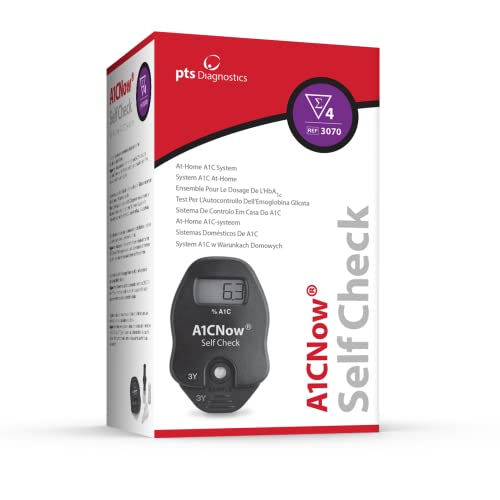
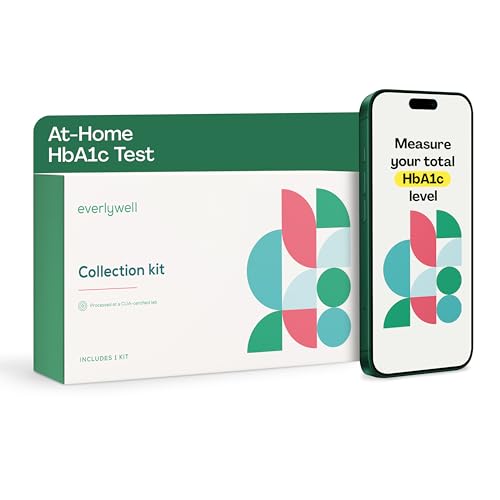
Prefer to order direct? The Everlywell HbA1c Test uses a CLIA-certified lab, physician-reviewed results, and prepaid return shipping.
What to Look For in a Continuous Glucose Monitor (CGM)
Over-the-counter CGMs like Dexcom Stelo and Abbott Lingo now sell without a prescription. Check the wear time (14–15 days per sensor), whether it reads to your phone or needs a separate device, and the monthly cost. For seeing how your own body responds to meals, a month or two is usually enough — you don't need to wear one forever.


What Makes a Good Fiber Supplement
For blood-sugar and cholesterol support you want SOLUBLE fiber — psyllium husk is the best studied. Start with one teaspoon and build up with plenty of water to avoid bloating, and take it 10–15 minutes before carb-heavy meals. Choose an unsweetened, additive-free powder or capsule.


Related Articles
Mediterranean Diet and Mitochondrial Proteins Linked in USC Study
A USC study links the Mediterranean diet to higher levels of mitochondrial proteins humanin and...
Read article MetabolismResearchers Identify 60 Genetic Regions Linked to Liver Fat
A study in Nature Genetics evaluated MRI scans and genomes from 71,488 individuals, identifying...
Read article MetabolismOral Semaglutide Adoption Outpaced Injectables at Launch
A study in Annals of Internal Medicine found early oral semaglutide adoption was 4.4 to 7.4...
Read article MetabolismPotassium Binder Eased Dietary Restriction Burden in Dialysis Trial
A clinical trial presented at ASN Kidney Week 2026 found sodium zirconium cyclosilicate lowered...
Read articleWant a clinician to work up your metabolic numbers?
Opt Health runs fasting insulin, A1C, a full lipid panel and 50+ other markers, then builds a treatment plan — GLP-1s included where they're appropriate — with a physician who reviews the data with you directly.
See Opt Health's metabolic program →Topic updates
Get the weekly metabolic health roundup
Insulin resistance, blood sugar, visceral fat, GLP-1 plateaus, metabolic syndrome, and weight-loss physiology.
Understand Your Health Better
Our free assessment maps your symptoms to the most relevant guides, tools, and product recommendations.
Take the Free Assessment →Free · Takes 5 minutes · Instant results
Affiliate disclosure: The Metabolic Journal is reader-supported. Some links above are affiliate or referral links and we may earn a commission at no extra cost to you. Products are chosen on the merits; commissions never influence what we recommend. This is general information, not medical advice — talk to your clinician before acting.