Time-Restricted Eating and Weight Loss in Prediabetes
A randomized trial shows a ten-hour eating window produces modest weight loss similar to standard meal timing when calories are matched.
Trial Compares Time-Restricted Eating to Usual Schedules
Time-restricted eating (TRE) produces modest weight loss in adults with prediabetes or diet-controlled type 2 diabetes. A 12-week randomized trial led by Johns Hopkins Medicine found that a 10-hour daily eating window matched a standard 16-hour usual eating pattern (UEP). The study appeared in the journal Obesity with support from the National Institutes of Health (NIH) and the American Heart Association (AHA).
Thirty-nine adults finished the intervention. The cohort was 92 percent female and 92 percent Black, with participants ranging from 18 to 69 years of age. Researchers assigned 19 adults to the 10-hour window and 20 adults to the 16-hour schedule.
Provided DASH Meals and Weight Maintenance Calories
All study participants received fully prepared meals from the Johns Hopkins ProHealth Clinical Research Unit in Baltimore, Maryland. The kitchen provided an adapted Dietary Approaches to Stop Hypertension (DASH) diet. This pattern limits red meat, high-fat items, sugar, and sodium.
Research dietitians calculated personalized calorie levels to keep each person at their baseline weight. This setup isolated meal timing from calorie deficits. Lead author Daisy Duan, M.D., noted that previous fasting studies often included unintentional calorie cuts.
Time-Restricted Eating Yields Similar Weight Loss and Restraint
Time-restricted eating yielded a median weight loss of 2.7 percent over the 12-week intervention. Participants on the standard 16-hour schedule dropped 2.5 percent. The weight reduction occurred in both arms even though meals were calibrated for weight maintenance.
Eating behaviors improved in both arms on the Three-Factor Eating Questionnaire. Participants reported greater restraint around food choices. They also reported lower susceptibility to hunger and a reduced tendency to eat during periods of stress.
Hormones and Inflammation Remained Unchanged Between Groups
Fasting blood tests showed that time-restricted eating produced no distinct changes in appetite hormones or inflammatory markers. Levels of ghrelin and leptin were comparable between the two groups at 12 weeks. Markers of inflammation also remained similar.
C-reactive protein (CRP), cortisol, and soluble receptor for advanced glycation end products (sRAGE) did not separate the arms. These findings suggest that metabolic shifts stemmed from weight loss rather than independent biological clock effects.
Discussing Time-Restricted Eating with a Clinician
Time-restricted eating provides a structured framework that may help people manage eating behaviors without counting calories. In the United States, 100 million adults live with obesity and 115 million have prediabetes. Both groups face higher risks for high blood pressure, heart attack, and stroke.
The trial was small and tested fully prepared meals in a tightly monitored clinical environment. Results might differ when people purchase and prepare their own groceries at home. Talk with your clinician about time-restricted eating before adjusting your meal timing or changing medication routines.
How to test metabolic markers at home
You don't need a lab appointment to check your own metabolic markers — a few at-home kits mail you a collection kit and return physician-reviewed results online within days:
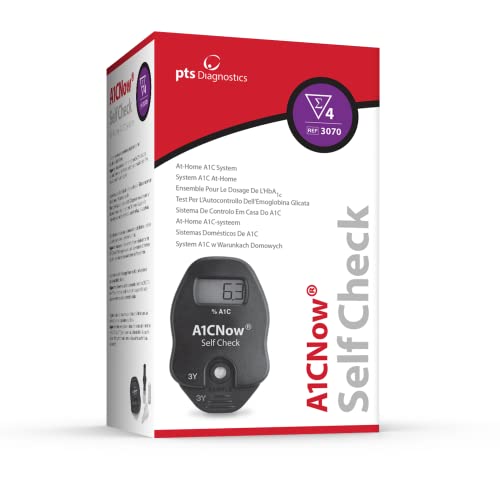
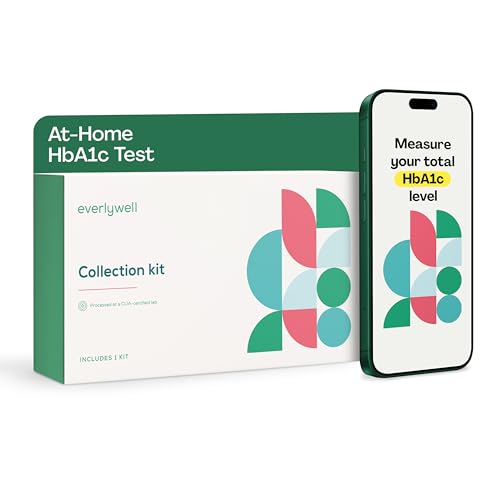
Prefer to order direct? The Everlywell HbA1c Test uses a CLIA-certified lab, physician-reviewed results, and prepaid return shipping.
What to Look For in a Continuous Glucose Monitor (CGM)
Over-the-counter CGMs like Dexcom Stelo and Abbott Lingo now sell without a prescription. Check the wear time (14–15 days per sensor), whether it reads to your phone or needs a separate device, and the monthly cost. For seeing how your own body responds to meals, a month or two is usually enough — you don't need to wear one forever.


What Makes a Good Fiber Supplement
For blood-sugar and cholesterol support you want SOLUBLE fiber — psyllium husk is the best studied. Start with one teaspoon and build up with plenty of water to avoid bloating, and take it 10–15 minutes before carb-heavy meals. Choose an unsweetened, additive-free powder or capsule.


Related Articles
Continuous Glucose Monitoring Links Glucose Spikes to Heart Risks
Framingham Heart Study data show adults without diabetes who spend more time above 140 mg/dL...
Read article MetabolismGut Microbe Molecule Vaccenic Acid Activates Liver Receptor LRH-1
Researchers identified vaccenic acid as a bacterial ligand for receptor LRH-1, showing reduced...
Read article MetabolismDiabetes Distress Assessment Guidelines Released by EASD
The EASD published evidence-based diabetes distress assessment guidelines in Diabetologia,...
Read article MetabolismWhole Grain Intake of 60 to 100 Grams Daily Improves Heart Markers
A review of 87 clinical trials in the European Heart Journal found consuming 60 to 100 grams of...
Read articlePartner · Opt Health
Want medical weight loss instead of another diet?
Opt Health prescribes and monitors GLP-1 therapy against real labs — insulin, A1C, lipids, thyroid, hormones — so the plan fits your physiology rather than a generic protocol. Medication ships to your door.
See Opt Health's weight-loss program →Topic updates
Get the weekly metabolic health roundup
Insulin resistance, blood sugar, visceral fat, GLP-1 plateaus, metabolic syndrome, and weight-loss physiology.
Understand Your Health Better
Our free assessment maps your symptoms to the most relevant guides, tools, and product recommendations.
Take the Free Assessment →Free · Takes 5 minutes · Instant results
Affiliate disclosure: The Metabolic Journal is reader-supported. Some links above are affiliate or referral links and we may earn a commission at no extra cost to you. Products are chosen on the merits; commissions never influence what we recommend. This is general information, not medical advice — talk to your clinician before acting.