Medically Tailored Meals Lower Blood Sugar and Blood Pressure
Preliminary trial data shows prepared meals paired with home cooking education improved metabolic markers in adults with chronic conditions.
Eight-Month Program Links Prepared Meals to Improved Cardiometabolic Health
An eight-month program providing medically tailored meals improved blood sugar control and lowered blood pressure in adults managing both type 2 diabetes and high blood pressure. The independent preliminary study was presented at the American Heart Association (AHA) Scientific Sessions 2026. Participants who received the meals also reported better diet quality and broader access to nutritious food.
Most food-as-medicine programs historically targeted patients with advanced illness or terminal conditions. In contrast, this trial evaluated whether providing structured meals earlier could halt disease progression. Researchers found that early nutritional support improved cardiometabolic markers across the cohort.
Step-Down Meal Delivery Matched Full Support When Paired with Education
Tapering meal deliveries over time did not reduce health benefits when researchers combined the reduction with home cooking education. The trial tested whether a less costly protocol could maintain clinical results. Half of the participants transitioned to fewer delivered meals each month while attending nutrition classes.
The curriculum provided nutrition counseling, cooking demonstrations, and recipes using healthy ingredients. Lead author Nour Makarem, Ph.D., noted that education helped participants sustain improvements at home. This approach allowed participants to build independent food habits while meal deliveries decreased.
Trial Compares Constant Delivery Against Gradual Dosing Reductions
Researchers tested two distinct delivery schedules across more than 100 enrolled adult participants. All participants began the intervention with physician-diagnosed type 2 diabetes and concurrent high blood pressure. Investigators divided the cohort into two equal arms to measure cardiometabolic responses.
Both cohorts showed comparable reductions in blood glucose and blood pressure by the end of the eighth month. The findings indicate that continuous high-volume meal provision may not be required if patients learn practical kitchen skills.
- Standard delivery: 10 medically tailored meals each week for the full eight-month trial window.
- Step-down delivery: 10 medically tailored meals weekly for three months, followed by one fewer meal per week each subsequent month, concluding at five weekly meals.
Addressing Food Insecurity and Poor Diet Quality in Prevention
Poor diet quality remains a leading driver of chronic metabolic disease across the United States. Data from the AHA indicates that more than half of American adults consume suboptimal amounts of whole grains, vegetables, and healthy fats. High intakes of sodium and sugar-sweetened beverages compound these nutritional deficits.
Food insecurity also limits dietary choices for millions of households. The United States Department of Agriculture (USDA) reported that nearly 14 percent of domestic households experienced food insecurity during 2024. Lack of resources frequently increases the risk of obesity, cardiovascular complications, and uncontrolled blood sugar.
Preliminary Findings and Considerations for Clinical Practice
These study findings represent preliminary conference data that has not yet undergone full peer review in an academic journal. The cohort size was limited to just over 100 participants from a single research initiative. Broader multi-center trials are necessary to verify how durable these metabolic improvements remain after all meal deliveries stop completely.
Individuals managing type 2 diabetes or hypertension should consult their personal physician before altering prescribed meal patterns or medical therapies. While prepared meal programs offer clear metabolic support, dietary changes require coordination with ongoing medical care.
How to test metabolic markers at home
You don't need a lab appointment to check your own metabolic markers — a few at-home kits mail you a collection kit and return physician-reviewed results online within days:
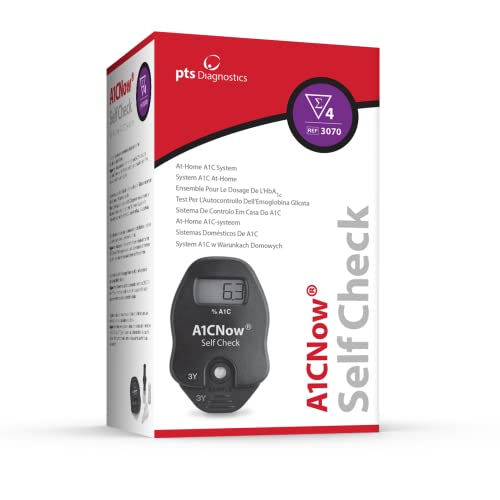
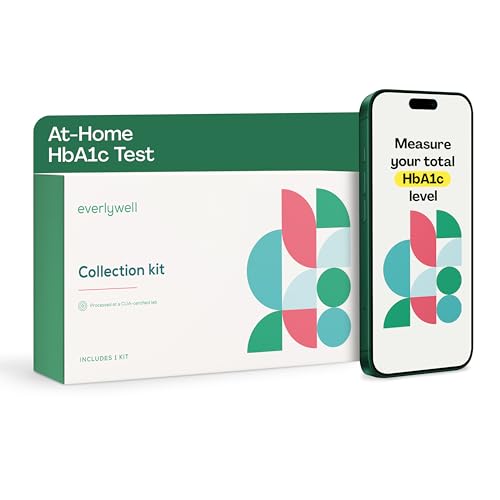
Prefer to order direct? The Everlywell HbA1c Test uses a CLIA-certified lab, physician-reviewed results, and prepaid return shipping.
What to Look For in a Continuous Glucose Monitor (CGM)
Over-the-counter CGMs like Dexcom Stelo and Abbott Lingo now sell without a prescription. Check the wear time (14–15 days per sensor), whether it reads to your phone or needs a separate device, and the monthly cost. For seeing how your own body responds to meals, a month or two is usually enough — you don't need to wear one forever.


What Makes a Good Fiber Supplement
For blood-sugar and cholesterol support you want SOLUBLE fiber — psyllium husk is the best studied. Start with one teaspoon and build up with plenty of water to avoid bloating, and take it 10–15 minutes before carb-heavy meals. Choose an unsweetened, additive-free powder or capsule.


Related Articles
Avocado and Mango Trial Shows Vascular Changes in Prediabetes
An eight-week study in adults with prediabetes found daily intake of avocado and mango improved...
Read article MetabolismMuscle Mass and Metabolic Health Depend on Fat Distribution
Pennington Biomedical researchers found that muscle mass and metabolic health are shaped by...
Read article MetabolismClinics Screen for CKM Syndrome but Rarely Use Risk Calculators
A survey of 97 clinical sites finds widespread basic screening for...
Read article MetabolismGLP-1 Drugs Outperform Metformin for Prediabetes in Health Records Study
A review of 250,000 adults with prediabetes and obesity found GLP-1 medications lowered type 2...
Read articleWant a clinician to work up your metabolic numbers?
Opt Health runs fasting insulin, A1C, a full lipid panel and 50+ other markers, then builds a treatment plan — GLP-1s included where they're appropriate — with a physician who reviews the data with you directly.
See Opt Health's metabolic program →Topic updates
Get the weekly metabolic health roundup
Insulin resistance, blood sugar, visceral fat, GLP-1 plateaus, metabolic syndrome, and weight-loss physiology.
Understand Your Health Better
Our free assessment maps your symptoms to the most relevant guides, tools, and product recommendations.
Take the Free Assessment →Free · Takes 5 minutes · Instant results
Affiliate disclosure: The Metabolic Journal is reader-supported. Some links above are affiliate or referral links and we may earn a commission at no extra cost to you. Products are chosen on the merits; commissions never influence what we recommend. This is general information, not medical advice — talk to your clinician before acting.