GLP-1 Drugs Outperform Metformin for Prediabetes in Health Records Study
A retrospective review of 250,000 adults links the medications to lower diabetes progression and cardiovascular rates.
New Findings from Electronic Health Records
Glucagon-like peptide-1 (GLP-1) receptor agonists lowered the rate of progression to type 2 diabetes more than metformin in a large observational study. The preliminary research analyzed medical records from more than 250,000 adults who had both prediabetes and obesity. Researchers presented these independent findings at the American Heart Association (AHA) Scientific Sessions 2026 in Chicago.
The cohort was split evenly between people prescribed metformin and those prescribed a GLP-1 medication. The agents evaluated in the GLP-1 group included semaglutide, tirzepatide, liraglutide, and dulaglutide. Investigators tracked metabolic outcomes along with major cardiovascular events across both groups.
Blood Sugar Normalization and Diabetes Rates
Patients taking GLP-1 medications had a 31% lower risk of developing type 2 diabetes compared to those on metformin. The GLP-1 group also showed a 1.5 times higher probability of returning elevated blood glucose to normal ranges. In addition, the review documented a 41% lower risk of death from any cause among GLP-1 users.
Nearly 40% of adults in the United States currently meet criteria for prediabetes, according to AHA statistical reports. Data from the National Institutes of Health (NIH) indicates that up to 10% of adults with prediabetes advance to type 2 diabetes annually. Study author Dr. Vinicius de Sousa Barzon Serra of the Mayo Clinic noted that the early prediabetes window offers an opportunity to halt that progression.
Cardiovascular and Heart Rhythm Outcomes
Cardiovascular event rates were lower among patients prescribed GLP-1 therapies than those on metformin. The study recorded 15% fewer heart attacks and 20% fewer strokes in the GLP-1 cohort. Cases of heart failure dropped by 25%, and diagnoses of atrial fibrillation (AFib) were 8% lower.
Most prior GLP-1 cardiovascular trials focused primarily on patients with established type 2 diabetes. This analysis evaluated whether those protective associations extend to patients identified earlier in the metabolic disease process. Outside expert Dr. Robert Eckel stated that weight reduction achieved with these agents likely explains much of the observed cardiovascular risk reduction.
Treatment Context and Study Limitations
Metformin remains the standard first-line pharmaceutical therapy for prediabetes due to its safety profile, low cost, and decades of clinical use. Dr. Serra stated that these findings do not call for replacing metformin entirely. Instead, the comparative data offers clinicians and patients an additional evidence base during shared medical decision-making.
The project reviewed retrospective health records rather than conducting a prospective randomized controlled trial. Observational analyses can reflect baseline differences in patient health, insurance coverage, or clinical monitoring. Clinicians emphasize that comprehensive lifestyle modifications, such as nutrition and physical activity, remain the required foundation for managing prediabetes.
How to test metabolic markers at home
You don't need a lab appointment to check your own metabolic markers — a few at-home kits mail you a collection kit and return physician-reviewed results online within days:
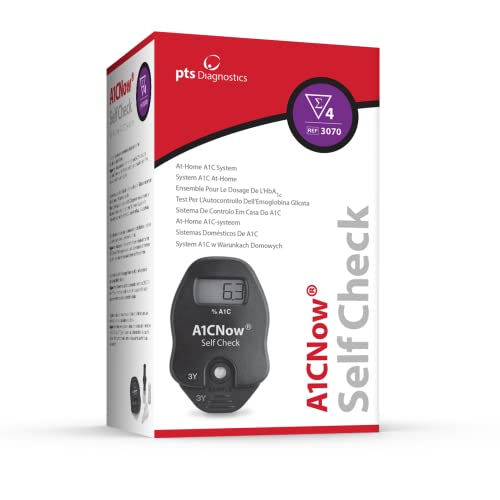
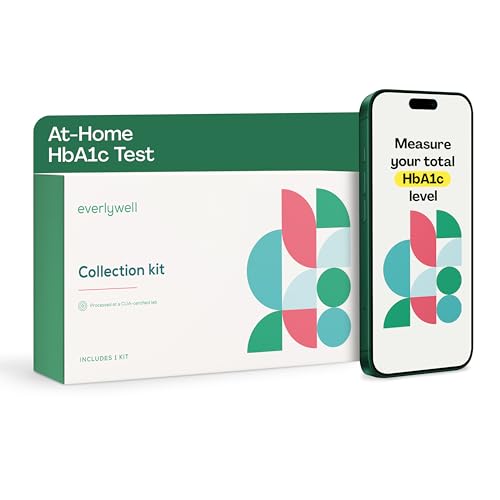
Prefer to order direct? The Everlywell HbA1c Test uses a CLIA-certified lab, physician-reviewed results, and prepaid return shipping.
What to Look For in a Continuous Glucose Monitor (CGM)
Over-the-counter CGMs like Dexcom Stelo and Abbott Lingo now sell without a prescription. Check the wear time (14–15 days per sensor), whether it reads to your phone or needs a separate device, and the monthly cost. For seeing how your own body responds to meals, a month or two is usually enough — you don't need to wear one forever.


What Makes a Good Fiber Supplement
For blood-sugar and cholesterol support you want SOLUBLE fiber — psyllium husk is the best studied. Start with one teaspoon and build up with plenty of water to avoid bloating, and take it 10–15 minutes before carb-heavy meals. Choose an unsweetened, additive-free powder or capsule.


Related Articles
Avocado and Mango Trial Shows Vascular Changes in Prediabetes
An eight-week study in adults with prediabetes found daily intake of avocado and mango improved...
Read article MetabolismMuscle Mass and Metabolic Health Depend on Fat Distribution
Pennington Biomedical researchers found that muscle mass and metabolic health are shaped by...
Read article MetabolismMedically Tailored Meals Lower Blood Sugar and Blood Pressure
A preliminary study presented at the American Heart Association shows medically tailored meals...
Read article MetabolismClinics Screen for CKM Syndrome but Rarely Use Risk Calculators
A survey of 97 clinical sites finds widespread basic screening for...
Read articleWant medical weight loss instead of another diet?
Opt Health prescribes and monitors GLP-1 therapy against real labs — insulin, A1C, lipids, thyroid, hormones — so the plan fits your physiology rather than a generic protocol. Medication ships to your door.
See Opt Health's weight-loss program →Topic updates
Get the weekly metabolic health roundup
Insulin resistance, blood sugar, visceral fat, GLP-1 plateaus, metabolic syndrome, and weight-loss physiology.
Understand Your Health Better
Our free assessment maps your symptoms to the most relevant guides, tools, and product recommendations.
Take the Free Assessment →Free · Takes 5 minutes · Instant results
Affiliate disclosure: The Metabolic Journal is reader-supported. Some links above are affiliate or referral links and we may earn a commission at no extra cost to you. Products are chosen on the merits; commissions never influence what we recommend. This is general information, not medical advice — talk to your clinician before acting.