Thirty-Year Blood Sugar Rise Linked to Worse Midlife Cognition
A long-term study shows rising fasting glucose from early adulthood correlates with measurable drops in midlife memory and executive function.
Study Links Decades of Rising Glucose to Midlife Cognitive Decline
Adults with steadily rising fasting glucose levels across three decades had worse cognitive scores in middle age than peers whose blood sugar remained low and stable. The findings appeared in the Journal of the American Heart Association (JAHA). Lead author Regina Paradela, Ph.D., analyzed data tracking participants from young adulthood into midlife.
Past clinical views linked cognitive loss primarily to late-life diabetes or childhood type 1 diabetes. This study shifts that timeline. Progressive blood sugar increases across early adulthood correlated with lower cognitive scores by middle age.
Tracking Glucose Patterns Across Three Decades in Young Adults
Researchers analyzed health records for nearly 3,000 Black and white adults in the Coronary Artery Risk Development in Young Adults (CARDIA) study. Enrollment took place across four American cities from 1985 to 1986. Participants entered the study between ages 18 and 30.
Investigators tracked fasting glucose measurements across 30 years. They grouped participants into lower-stable, moderate-stable, and increasing glucose trajectories. At year 30, participants completed tests of memory, processing speed, executive function, verbal fluency, and overall cognition.
- Lower-stable glucose pattern: Fasting blood sugar remained consistently low across 30 years.
- Moderate-stable glucose pattern: Fasting blood sugar held steady at intermediate levels over decades.
- Increasing glucose pattern: Fasting blood sugar climbed progressively from early adulthood to middle age.
Structural Brain Changes Observed in Participants with Diabetes
Participants who developed type 2 diabetes during the study showed less total gray matter and more abnormal white matter tissue on brain scans. A subset of the cohort received Magnetic Resonance Imaging (MRI) to assess brain structure. These structural alterations accompanied lower cognitive test results.
Normal fasting glucose is below 100 milligrams per deciliter. Prediabetes spans 100 to 125 milligrams per deciliter, while diabetes begins at 126. Cognitive declines were evident even in participants who never met criteria for type 2 diabetes.
Metabolic Health Implications for Early Adulthood
Fasting blood sugar trajectories provide clinical context decades before traditional dementia screenings typically begin. The connection persisted after adjustments for demographic factors and lifestyle habits. Patients concerned about long-term metabolic trends can discuss preventative glucose monitoring with their clinician.
Tests revealed lower performance across memory and executive function in the increasing glucose group. Protecting cognitive health involves addressing metabolic shifts early in life.
Study Limitations and Research Boundaries
Observational data can establish clear associations between glucose levels and cognitive function but cannot prove direct causation. Only a subset of the 3,000 participants received MRI imaging. Unmeasured lifestyle variables could also influence cognitive performance.
The study did not evaluate whether reversing blood sugar increases restores cognitive performance or preserves brain tissue. Future studies under the American Heart Association (AHA) brain health framework will examine these long-term lifespan relationships.
How to test metabolic markers at home
You don't need a lab appointment to check your own metabolic markers — a few at-home kits mail you a collection kit and return physician-reviewed results online within days:
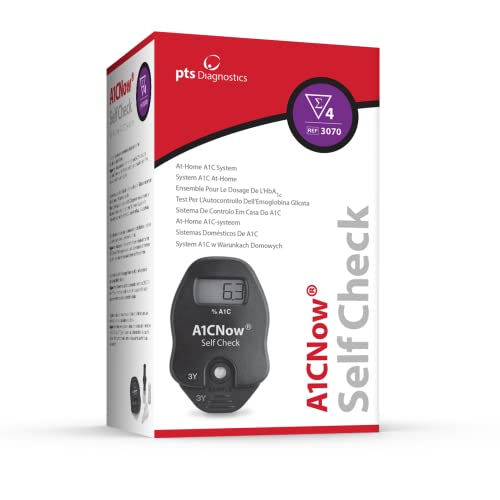
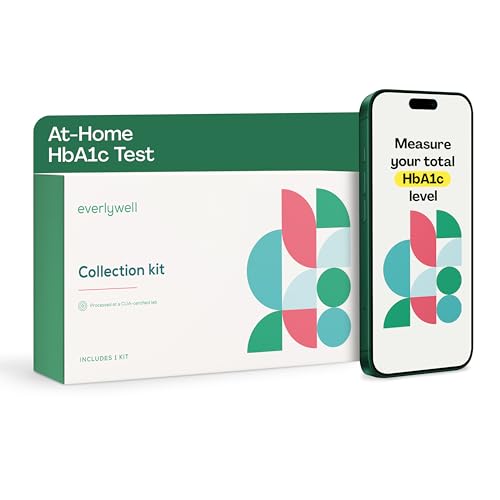
Prefer to order direct? The Everlywell HbA1c Test uses a CLIA-certified lab, physician-reviewed results, and prepaid return shipping.
What to Look For in a Continuous Glucose Monitor (CGM)
Over-the-counter CGMs like Dexcom Stelo and Abbott Lingo now sell without a prescription. Check the wear time (14–15 days per sensor), whether it reads to your phone or needs a separate device, and the monthly cost. For seeing how your own body responds to meals, a month or two is usually enough — you don't need to wear one forever.


What Makes a Good Fiber Supplement
For blood-sugar and cholesterol support you want SOLUBLE fiber — psyllium husk is the best studied. Start with one teaspoon and build up with plenty of water to avoid bloating, and take it 10–15 minutes before carb-heavy meals. Choose an unsweetened, additive-free powder or capsule.


Related Articles
Study Finds Real-Time Glucose Monitors Cost-Effective for Type 2 Diabetes
A UK trial evaluation found continuous glucose monitors cost £5,943 per quality-adjusted life...
Read article MetabolismAlternate-Day Fasting Reverses Diabetes in Mice Study
University of Michigan researchers found alternate-day fasting normalized blood sugar in...
Read article MetabolismGLP-1 Weight Loss Drugs May Increase Mammographic Breast Density
A retrospective study presented at RSNA shows GLP-1 weight loss medications may increase...
Read article MetabolismType 1 Diabetes Score Misses Remissions in Youth with Obesity
A Diabetes Care study finds insulin dose-adjusted hemoglobin A1c (IDAA1c) misses over half of...
Read articleWant a clinician to work up your metabolic numbers?
Opt Health runs fasting insulin, A1C, a full lipid panel and 50+ other markers, then builds a treatment plan — GLP-1s included where they're appropriate — with a physician who reviews the data with you directly.
See Opt Health's metabolic program →Topic updates
Get the weekly metabolic health roundup
Insulin resistance, blood sugar, visceral fat, GLP-1 plateaus, metabolic syndrome, and weight-loss physiology.
Understand Your Health Better
Our free assessment maps your symptoms to the most relevant guides, tools, and product recommendations.
Take the Free Assessment →Free · Takes 5 minutes · Instant results
Affiliate disclosure: The Metabolic Journal is reader-supported. Some links above are affiliate or referral links and we may earn a commission at no extra cost to you. Products are chosen on the merits; commissions never influence what we recommend. This is general information, not medical advice — talk to your clinician before acting.