Study Finds Real-Time Glucose Monitors Cost-Effective for Type 2 Diabetes
Economic modeling based on trial data shows sensors meet UK spending thresholds if glucose control lasts four years.
Trial Modeling Challenges Earlier NICE Guidance
Real-time continuous glucose monitoring (CGM) is cost-effective for adults with type 2 diabetes who use insulin, according to an economic evaluation led by researchers at the University of Manchester. The findings, published in Diabetes, Obesity and Metabolism, assess Abbott's FreeStyle Libre 3 sensor compared with standard finger-prick blood glucose testing.
In 2022, the National Institute for Health and Care Excellence (NICE) concluded that real-time glucose sensors did not provide sufficient value for money in adults with type 2 diabetes. The authors of the new analysis report that updated clinical data from randomized trials challenges that standing recommendation for the National Health Service (NHS).
An estimated 5.8 million people in the United Kingdom live with diabetes, and roughly 90 percent have type 2 diabetes. The condition cost the UK health system an estimated £8.8 billion in 2021 to 2022, with 64 percent of that spending driven by complications such as cardiovascular disease, kidney failure, vision loss, and amputations.
Clinical Trial Measures 32 Weeks of Sensor Wear
The economic evaluation drew clinical data from the FreeDM2 randomized controlled trial conducted across 24 UK medical centers. The trial enrolled 303 adults with type 2 diabetes who had above-target glucose levels despite taking basal insulin alongside sodium-glucose cotransporter-2 (SGLT2) inhibitors or glucagon-like peptide-1 (GLP-1) receptor agonists.
Participants were randomly assigned to use either the FreeStyle Libre 3 sensor or standard finger-prick testing for 32 weeks. Those assigned to the wearable sensor showed greater reductions in blood glucose levels than participants who continued standard finger-prick testing.
Rather than drawing capillary blood from the finger several times daily, sensor users wore an under-the-skin device that transmits readings automatically to a smartphone or reader. During the 32-week trial window itself, researchers recorded no significant differences in total healthcare costs or immediate quality of life between the two groups.
Lifetime Model Projects Reduced Complication Spending
To assess whether the short-term clinical gains translate into economic value, researchers entered the trial results into a validated computer simulation to model lifetime health outcomes and expenses. The simulation projected that wearing the sensors adds an extra £4,341 in lifetime healthcare spending per person.
That additional outlay delivered an estimated gain of 0.73 quality-adjusted life years (QALYs), a standard metric combining length of survival and health-related quality of life. The resulting ratio of £5,943 per QALY gained falls well below the £25,000 to £35,000 threshold that health authorities in England typically use to recommend an intervention.
The computer model also estimated that improved long-term glycemic control would reduce lifetime complication spending by £2,437 per patient. Those savings partially offset the upfront purchase price of the sensor hardware and ongoing supplies.
Cost Calculations Depend on Multiyear Sensor Use
The projected economic benefits depend on patient adherence to continuous glucose monitoring over several years. The study team determined that improvements in blood glucose control must persist for at least four years for the sensor system to remain cost-effective under NHS standards.
The findings assume that patients consistently wear the devices and maintain their improved glucose control over decades, which long-term observational data must still confirm. Clinical trials running 32 weeks do not capture late-stage attrition, skin irritation, or behavioral fatigue that can reduce adherence over time.
Adults with type 2 diabetes who use insulin should discuss continuous glucose monitoring options with their clinical care team to determine whether sensor tracking fits their medical regimen and daily management routines.
How to test metabolic markers at home
You don't need a lab appointment to check your own metabolic markers — a few at-home kits mail you a collection kit and return physician-reviewed results online within days:
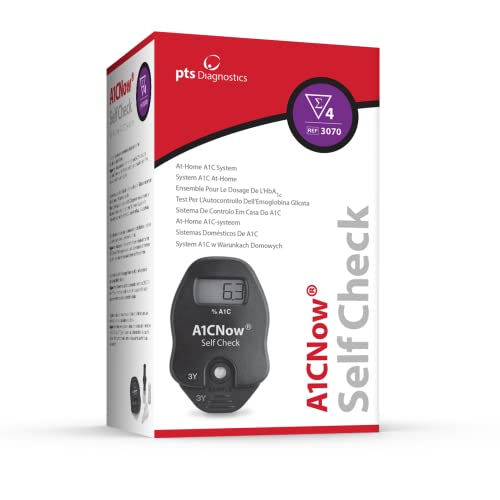
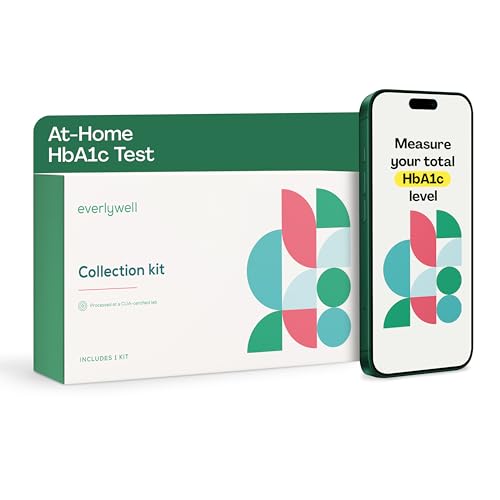
Prefer to order direct? The Everlywell HbA1c Test uses a CLIA-certified lab, physician-reviewed results, and prepaid return shipping.
What to Look For in a Continuous Glucose Monitor (CGM)
Over-the-counter CGMs like Dexcom Stelo and Abbott Lingo now sell without a prescription. Check the wear time (14–15 days per sensor), whether it reads to your phone or needs a separate device, and the monthly cost. For seeing how your own body responds to meals, a month or two is usually enough — you don't need to wear one forever.


What Makes a Good Fiber Supplement
For blood-sugar and cholesterol support you want SOLUBLE fiber — psyllium husk is the best studied. Start with one teaspoon and build up with plenty of water to avoid bloating, and take it 10–15 minutes before carb-heavy meals. Choose an unsweetened, additive-free powder or capsule.


Related Articles
Thirty-Year Blood Sugar Rise Linked to Worse Midlife Cognition
A 30-year study published in the Journal of the American Heart Association links rising fasting...
Read article MetabolismAlternate-Day Fasting Reverses Diabetes in Mice Study
University of Michigan researchers found alternate-day fasting normalized blood sugar in...
Read article MetabolismGLP-1 Weight Loss Drugs May Increase Mammographic Breast Density
A retrospective study presented at RSNA shows GLP-1 weight loss medications may increase...
Read article MetabolismType 1 Diabetes Score Misses Remissions in Youth with Obesity
A Diabetes Care study finds insulin dose-adjusted hemoglobin A1c (IDAA1c) misses over half of...
Read articleWant a clinician to work up your metabolic numbers?
Opt Health runs fasting insulin, A1C, a full lipid panel and 50+ other markers, then builds a treatment plan — GLP-1s included where they're appropriate — with a physician who reviews the data with you directly.
See Opt Health's metabolic program →Topic updates
Get the weekly metabolic health roundup
Insulin resistance, blood sugar, visceral fat, GLP-1 plateaus, metabolic syndrome, and weight-loss physiology.
Understand Your Health Better
Our free assessment maps your symptoms to the most relevant guides, tools, and product recommendations.
Take the Free Assessment →Free · Takes 5 minutes · Instant results
Affiliate disclosure: The Metabolic Journal is reader-supported. Some links above are affiliate or referral links and we may earn a commission at no extra cost to you. Products are chosen on the merits; commissions never influence what we recommend. This is general information, not medical advice — talk to your clinician before acting.