Sodium-Glucose Cotransporter 2 (SGLT2) Inhibitors Raise Hemoglobin
An analysis of 85 clinical trials published in the Journal of the American Medical Association (JAMA) links the medications to increased red blood cell markers.
Trial Data Connects SGLT2 Inhibitors to Higher Red Blood Cell Counts
Sodium-glucose cotransporter 2 (SGLT2) inhibitors consistently increase hemoglobin and hematocrit concentrations in patients treated for cardiometabolic conditions.
The findings come from a systematic review and meta-analysis led by internist-nephrologist Dr. Michele Eisenga at University Medical Center Groningen, published in the Journal of the American Medical Association (JAMA).
Researchers evaluated 85 randomized clinical trials comprising 70,543 participants. These participants were receiving treatment for type 2 diabetes, cardiovascular disease, heart failure, or chronic kidney disease. People with heart failure and chronic kidney disease often experience anemia, which lowers oxygen delivery across tissues. While earlier trials noted changes in blood values, the exact scale and biological drivers remained undetermined.
Modest Increases in Hemoglobin and Hematocrit Across 85 Trials
Patients receiving an SGLT2 inhibitor experienced higher red blood cell markers compared to those receiving placebos or alternative glucose-lowering drugs.
After a median follow-up period of 24 weeks, hemoglobin levels rose by an average of 0.60 g/dL. Hematocrit levels increased by an average of 2.36% relative to control groups.
These changes occurred reliably across diverse clinical study populations. The observed upward shifts were uniform, even though the absolute numerical gains remained modest. The authors noted that this consistency clarifies the typical hematologic response patients experience during standard therapy courses.
Shifts in Iron Stores and Erythropoietin Production
The meta-analysis revealed distinct alterations in how the body mobilizes iron stores while generating new red blood cells.
Patients assigned to SGLT2 inhibitors had higher concentrations of erythropoietin (EPO), the kidney-derived hormone responsible for stimulating bone marrow red blood cell production.
Along with elevated EPO, circulating ferritin and transferrin saturation levels dropped during active treatment. In contrast, total serum iron concentrations remained essentially stable. This pattern indicates that tissues draw upon existing internal iron reserves to fuel accelerated red blood cell synthesis.
Uncertain Clinical Impact on Long-Term Health Outcomes
The functional medical relevance of these laboratory shifts remains unconfirmed by researchers.
Current evidence does not establish whether modest gains in hemoglobin explain the known kidney and heart benefits associated with this drug class.
The observed changes provide mechanistic clues regarding cellular metabolism rather than proof of therapeutic protection. Further prospective trials must determine whether modifying red blood cell volume alters clinical event rates. Patients managing metabolic or renal conditions should talk to their clinician before making any adjustments to prescribed drug regimens.
How to test metabolic markers at home
You don't need a lab appointment to check your own metabolic markers — a few at-home kits mail you a collection kit and return physician-reviewed results online within days:
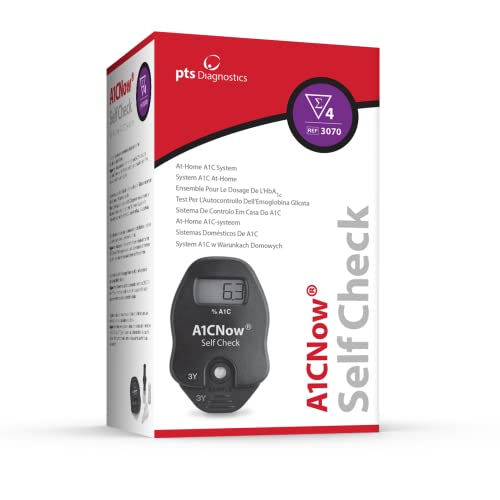
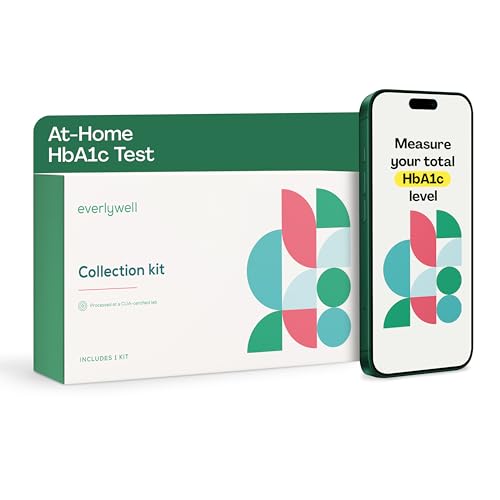
Prefer to order direct? The Everlywell HbA1c Test uses a CLIA-certified lab, physician-reviewed results, and prepaid return shipping.
What to Look For in a Continuous Glucose Monitor (CGM)
Over-the-counter CGMs like Dexcom Stelo and Abbott Lingo now sell without a prescription. Check the wear time (14–15 days per sensor), whether it reads to your phone or needs a separate device, and the monthly cost. For seeing how your own body responds to meals, a month or two is usually enough — you don't need to wear one forever.


What Makes a Good Fiber Supplement
For blood-sugar and cholesterol support you want SOLUBLE fiber — psyllium husk is the best studied. Start with one teaspoon and build up with plenty of water to avoid bloating, and take it 10–15 minutes before carb-heavy meals. Choose an unsweetened, additive-free powder or capsule.


Related Articles
Avocado and Mango Trial Shows Vascular Changes in Prediabetes
An eight-week study in adults with prediabetes found daily intake of avocado and mango improved...
Read article MetabolismMuscle Mass and Metabolic Health Depend on Fat Distribution
Pennington Biomedical researchers found that muscle mass and metabolic health are shaped by...
Read article MetabolismMedically Tailored Meals Lower Blood Sugar and Blood Pressure
A preliminary study presented at the American Heart Association shows medically tailored meals...
Read article MetabolismClinics Screen for CKM Syndrome but Rarely Use Risk Calculators
A survey of 97 clinical sites finds widespread basic screening for...
Read articleWant a clinician to work up your metabolic numbers?
Opt Health runs fasting insulin, A1C, a full lipid panel and 50+ other markers, then builds a treatment plan — GLP-1s included where they're appropriate — with a physician who reviews the data with you directly.
See Opt Health's metabolic program →Topic updates
Get the weekly metabolic health roundup
Insulin resistance, blood sugar, visceral fat, GLP-1 plateaus, metabolic syndrome, and weight-loss physiology.
Understand Your Health Better
Our free assessment maps your symptoms to the most relevant guides, tools, and product recommendations.
Take the Free Assessment →Free · Takes 5 minutes · Instant results
Affiliate disclosure: The Metabolic Journal is reader-supported. Some links above are affiliate or referral links and we may earn a commission at no extra cost to you. Products are chosen on the merits; commissions never influence what we recommend. This is general information, not medical advice — talk to your clinician before acting.